
 MsDressly
 MsDressly
What Should the Aunt of the Bride Wear? Dress Guide, Colors & Etiquette
Shop Dresses

Updated October 2026 by the MsDressly editorial team.
Shop the styles
-

Women's Embellished Burgundy V-Neck Midi Mother of the Bride Dress — $89.99 -

Women's Elastic Waist Yoga Shorts - Comfortable Fitness and Leisure Wear — $39.99 -

Sequin V-Neck Mother of the Bride Dress — $79.99 -

Women's Two-Piece Square Neck Chiffon A-Line Mother of the Bride Dress — $79.99 -

Elegant A-Line V Neck Mother of the Bride Dress with Short Ruffles Sleeves — $129.99 -

Women's Leopard Print Moto Jacket in Jackets for polished occasion-to-casual wear — $119.99 -

Women's Pink Denim Jacket in Denim jackets for polished occasion-to-casual wear — $119.99 -

Women's Black Toggle Coat with Hood in Coats for polished occasion-to-casual wear — $119.99
What aunt of the bride attire looks like
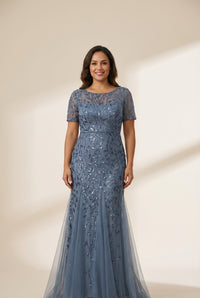
The classic aunt of the bride look is a polished, occasion-ready dress that reads "honored guest" rather than "wedding party member." The most common silhouettes are A-line midi dresses, tea-length dresses, elegant sheath dresses, and long evening gowns, usually with sleeves or a matching wrap. Details like lace overlays, subtle beading, chiffon skirts, and ruffle or flutter sleeves are all typical.
The overall effect should be festive and refined: dressed-up enough for family photos and the ceremony, comfortable enough for hours of mingling and dancing. Think wedding-guest-plus — a step more formal than a standard guest dress, but softer and less ceremonial than what the mothers of the bride and groom wear.
How the term is used today
"Aunt of the bride" isn't a formal dress code — it's a shopping and etiquette shorthand for a very specific role. Aunts are close family. You'll likely appear in portraits, greet relatives, and be seated near the front, so your outfit is expected to look intentional and occasion-appropriate.
In practice, the term covers any outfit suitable for a close female relative of the couple: the bride's or groom's aunts, great-aunts, and often godmothers or family friends of a similar generation. The same etiquette applies across all of these roles — look celebratory, respect the formality level, and let the couple and their mothers take the spotlight.
Choosing a color: what works and what to avoid
Color is where most aunts get stuck, and the rules are simpler than they seem. Avoid white, ivory, and anything that photographs as bridal. It's also wise to skip the exact shade the bridesmaids are wearing, unless the couple asks family to coordinate — you don't want to look like a misplaced member of the wedding party.
Safe, elegant choices include jewel tones (burgundy, emerald, sapphire), dusty pastels (mauve, sage, powder blue), and rich neutrals (navy, taupe, charcoal). Black is acceptable at most modern weddings, especially evening ceremonies. If the mother of the bride is wearing a particular color, choosing a different shade in a similar level of formality keeps the family photos balanced without matching.
How aunt of the bride differs from mother of the bride attire
These two roles get confused constantly because the shopping categories overlap — many dresses are literally marketed to both. The difference is hierarchy, not silhouette. The mother of the bride typically coordinates with the couple, may match the wedding palette, and chooses a gown or formal ensemble, often decided months in advance. Her outfit anchors the family's look.
The aunt of the bride follows that lead rather than setting it. You don't need the couple's sign-off, and you can wear a simpler cocktail or midi dress where the mothers wear floor-length gowns. A good rule: aim to be the best-dressed guest, not the third mother. If you're unsure whether a dress is "too much," it probably is — dial the sparkle down one notch. For more on the other side of this comparison, see our guide to mother of the bride wear.
Variations and related styles
- Mother of the bride dresses — the closest category; more formal and structured, often floor-length, and many styles work equally well for aunts.
- Tea-length dresses — hemlines between the knee and ankle; a longtime favorite for aunts at daytime and semi-formal weddings.
- Cocktail dresses — knee-length and polished; the right tier for afternoon, garden, and semi-formal ceremonies.
- Two-piece dress sets — a dress with a matching jacket or chiffon overlay; elegant, easy to move in, and a popular aunt silhouette.
- Grandmother of the bride attire — the same etiquette at a softer register: comfortable fabrics, higher necklines, and coordinating but understated colors.
Fabrics and construction details
The fabrics that dominate this category are chiffon, lace, crepe, satin, and tulle — materials that drape well, photograph beautifully, and hold up through a long event. Chiffon is the workhorse: light, forgiving, and easy to layer. Lace reads instantly "occasion" without being flashy, and stretch crepe is a quiet hero for all-day comfort.
Look for construction details that make a difference over an eight-hour day: linings that prevent cling, sleeves or a wrap for arm coverage, A-line or empire waists that don't pinch when you sit, and secure closures you can manage alone. Built-in structure — a defined waistband, light boning, a well-cut shoulder — is what separates an occasion dress from a nice sundress.
Dressing for the venue, season, and time of day
Let the invitation's formality lead. Evening and black-tie weddings call for floor-length gowns or elevated midi dresses in richer fabrics and deeper colors. Daytime, garden, and beach ceremonies suit tea-length or midi dresses in lighter fabrics and softer shades.
Season matters practically, too: sleeves, wraps, and heavier crepe or velvet for fall and winter; breathable chiffon and flutter sleeves for spring and summer. For outdoor venues, choose a hem you can walk in on grass and a block heel or elegant flat over a stiletto. When in doubt, a dressy midi in a jewel tone works at almost every wedding on the calendar.
How to style it: accessories, shoes, and cover-ups
Keep accessories in the same register as the dress: elegant, not competing. A clutch or small evening bag, one statement piece of jewelry (earrings or a necklace, rarely both at full volume), and comfortable heels or dressy flats are the standard kit. A wrap, shawl, or light jacket earns its keep for ceremonies, photos, and air-conditioned receptions.
A few notes that apply to everyone, whatever your shape or age: pick the silhouette you feel best in rather than the one a chart prescribes; bring a cover-up if you'll want one — being cold is worse than being cautious; and break in your shoes before the day. Confidence and comfort photograph better than any single styling rule.
How to shop for aunt of the bride dresses
Start with the wedding's formality and season, then filter by silhouette (A-line and midi are the most forgiving starting points), color family, and sleeve preference. Check the couple's palette so you complement rather than duplicate the wedding party, and — if you want an easy check — ask the mother of the bride what shade she's wearing so you don't twin.
For ready inspiration, browse our curated aunt of the bride dress ideas. Styles that suit the role include a two-piece chiffon A-line set for daytime ceremonies and a sequin V-neck gown
Shop by category
Guides:Seasonal Capsule Wardrobe Systems: A MsDressly Guide · Budget Friendly Seasonal Wardrobe Planning: A MsDressly Guide


