
 MsDressly
 MsDressly
What to Wear If You Have No Waist: Flattering Outfit Guide (2026)
Outfit guidance first — then one shoppable MsDressly piece with price and sizes below.
One in-stock pick to shop now
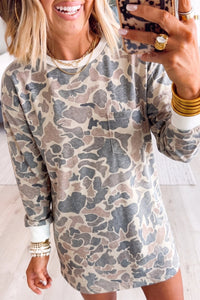
Shop Evening & Cocktail Dresses
Updated October 2026 by the MsDressly editorial team.
Shop the styles
-

Women's Elastic Waist Yoga Shorts - Comfortable Fitness and Leisure Wear — $39.99 -

Women's Pink Textured Knit High Neck Tee & Elastic Waist Pants Set - Stylish, Comfortable Outfit for Everyday Wear — $79.99 -

Women's Mist Green High Waist Flared Jeans for Women - Trendy 2-Button Style for Effortless Chic and Comfortable Everyday Wear — $69.99 -

Women's Bonbon V-Neck Tee and Drawstring Elastic Waist Shorts Set - Stylish 2-Piece Outfit for Casual Summer Wear — $79.99 -

Women's Black Textured Square Neck Top with Shirred High Waist Shorts Set - Stylish Summer Outfit for Casual Wear — $79.99 -

Women's Blue Denim Skort with Tied Waist - Trendy Casual Summer Wear for Stylish Comfort — $39.99 -

Women's Stylish Brown Leopard Print Ribbed Tee and Elastic Waist Shorts Set - Comfortable Loose Fit for Casual Wear — $79.99 -

Stylish Women's Gray Leopard Print Jogger Pants with Star Patches, Comfortable Drawstring Waist, Perfect for Casual Wear — $69.99
What "Having No Waist" Actually Means for Getting Dressed
When people say they have no waist, they usually mean their ribcage, midsection, and hips follow a fairly straight vertical line rather than tapering in at the middle. This is common with rectangle and apple silhouettes, but it can also simply be how your torso is built — and it changes at different points in life, too.
The practical takeaway: your torso doesn't supply an obvious narrow point, so your clothes need to. That's genuinely good news, because a waistband, seam, hem, or belt can sit wherever you want it to. Instead of dressing to "reveal" a waist, you're dressing to draw one — and that's a styling skill anyone can learn.
Two tools do almost all of the work: a defined horizontal break somewhere between bust and hip, and fabric that skims rather than clings through the middle. Nearly every outfit formula in this guide is a variation on those two ideas.
The Best Silhouettes for a Straight Midsection
These shapes either suggest a waist or deliberately reframe the silhouette so a waist isn't the point:
- Wrap dresses and tops. The crossover front and tie let you place the waist point exactly where you want it, while the V-neckline elongates. This is the most reliable one-step answer, and there's a reason it tops our best dress for no waist roundup.
- Fit-and-flare and A-line dresses. A fitted bodice that releases into a fuller skirt creates an hourglass read entirely through cut. The skirt flare does the work, so nothing has to grip your midsection.
- Empire waists. Seam placement just under the bust shortens the torso and creates a high, flattering break point — especially useful if your narrowest measurement sits higher than average.
- High-rise bottoms with volume below. High-waisted flared or wide-leg jeans put a firm horizontal line at the top of the hip, and the leg shape balances the straightness above. The Mist Green High Waist Flared Jeans are a good example of the silhouette.
- Peplum and shirred-waist tops. A peplum flares out where a waist would dip in, and shirred or smocked panels add a visible narrow band without requiring an actual cinch.
Fabrics, Colors, and Details That Help (and a Few That Don't)
Fabric weight matters more than most advice admits. Structured materials — denim, ponte, crepe, heavier ribbed knits, twill — hold a shape the garment was sewn into, which means the clothes supply the curve. Very thin, clingy knits do the opposite: they outline your midsection exactly as it is, then stop.
On color, a single tonal column (top and bottom in the same shade or close neighbors) lengthens and lets your silhouette read as one clean line, with a belt or waistband supplying the break. Strategic contrast works too: a lighter or brighter top against a darker bottom draws the eye up and away from the middle.
Details worth seeking out include ruching or shirring at the waist seam, vertical seams and ribbing, wrap fronts, and tie or drawstring waistbands that can be adjusted to sit at your preferred point. Details worth skipping: drop waists (they move the break point to the hip, which flattens the torso further), completely straight boxy shifts with no shaping at all, and stiff belts pulled tight over thin, slippery fabric — they tend to bunch rather than define.
Outfit Formulas by Occasion
Casual, everyday. Matching two-piece sets are the easiest formula here — the waistband creates the break, the coordinating top creates the column. A set like the Bonbon V-Neck Tee and Drawstring Waist Shorts Set works because the V-neck lengthens and the drawstring lets you set the waist where you want it. A denim skort with a tied waist does the same job in one piece.
Work and smart casual. High-rise wide-leg trousers with a tucked knit top and an open blazer give you a long, defined line. If tucking feels awkward, try a top that ends right at the waistband rather than below the hip — the hem does the tucking's job.
Dressier events. A wrap midi or an A-line dress with some structure through the skirt handles most occasions. For anything with a theme — say a denim-and-diamonds party or a rustic barn wedding — high-waisted jeans or a denim skirt with a polished blouse keeps the same proportions working in a more dressed-up register.
If you're shopping one category first, the dresses for no waist definition collection is built around exactly these shapes.
Styling: Shoes, Layers, and Finishing Touches
Layers. An open jacket or cardigan creates two vertical lines down the front of your body, which reads as shape. Cropped jackets that end near the waistband reinforce the break point; longline open layers elongate. The one to approach carefully is a hip-length jacket worn closed — it can turn the whole torso into a rectangle.
Belts. Treat a belt as a marker, not a clamp. Worn over a structured dress or blazer at your chosen waist point, it highlights a seam that already exists. Pulled tight over a clingy dress, it usually creates bunching above and below.
Shoes. A pointed-toe flat, low block heel, or ankle boot extends the leg line, which makes the whole silhouette read longer and more balanced — useful when bottoms are doing waist-defining work. Knee-high or tall boots under midi dresses also keep a clean vertical line.
Necklines. V-necks, scoop necks, and open collars pull attention upward and lengthen the torso, which quietly supports everything the waistband is doing below.
Common Mistakes to Avoid
- Going oversized head to toe. Volume everywhere removes every reference point. Pair one relaxed piece with one defined piece — loose top, structured waistband, or the reverse.
- Wearing tops that end at your widest point. A hem that cuts across the mid-hip or the fullest part of the stomach draws a line exactly where you don't want one. End tops just below the bust, at the waistband, or below the hip.
- Choosing drop-waist or low-rise cuts. Both move the horizontal break to the hip, which de-emphasizes the waist entirely. High-rise is nearly always the friendlier rise for this silhouette.
- Assuming tighter means more shape. Bodycon fits reveal your actual outline; if you want a waist the garment creates, you want cut and seaming — wrap, flare, empire — not compression.
- Skipping the tuck entirely. Even a loose front tuck into a high-rise waistband creates a break point and shows where the waist sits. Untucked-and-long is the combination that erases shape fastest.
Shopping for This Silhouette
When you shop, filter everything through two questions: where does this garment create its break point, and will the fabric hold the shape it's sewn into? A wrap dress, an A-line skirt, a shirred-waist top, and a pair of high-rise flared jeans cover most situations between them, and elastic or drawstring waistbands let you fine-tune placement in a way fixed waistbands can't.
Coordinated sets are worth a special look because the matching top and defined waistband do the column-and-break formula automatically — no pairing required. For a ready-made starting point, browse the dresses for no waist definition edit, and check size guides carefully: on high-rise styles, waist and hip measurements matter more than your usual letter size.
Shop by category
Guides:Seasonal Capsule Wardrobe Systems: A MsDressly Guide · Budget Friendly Seasonal Wardrobe Planning: A MsDressly Guide


