
 MsDressly
 MsDressly
17 Best Examples Of Wedding Speech For Father Of The Bride For Inspiration
Shop 17 Best Examples Of Wedding Speech For Father Of The Bride For Inspiration
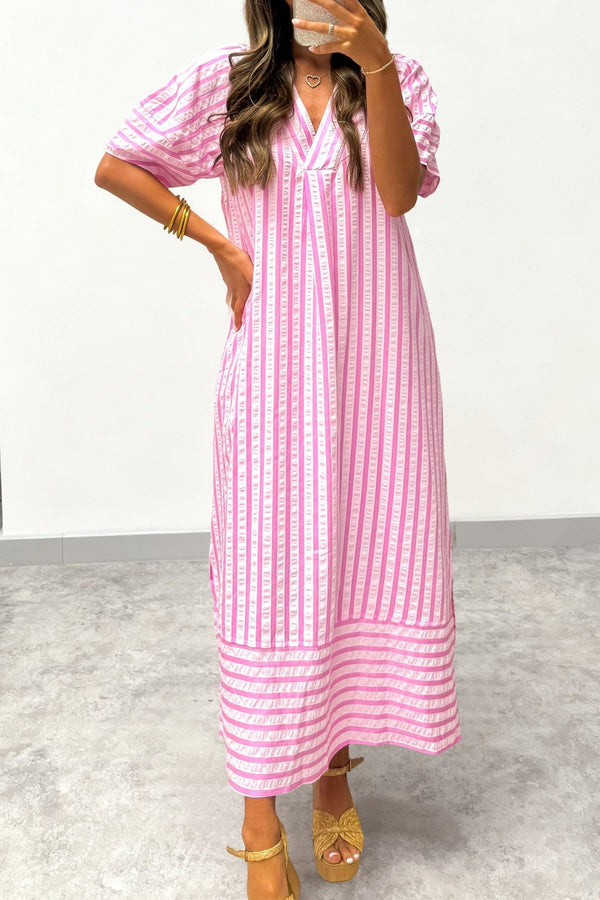
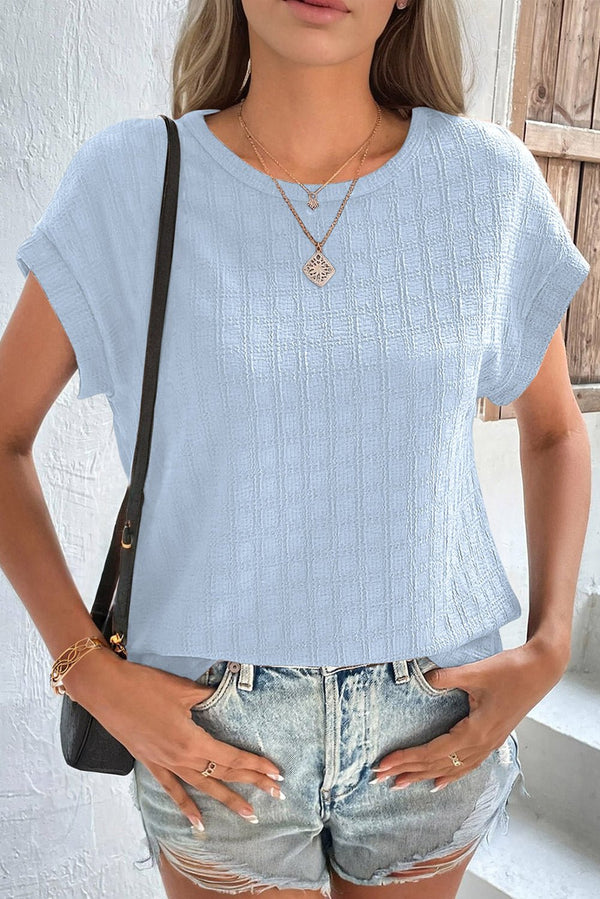
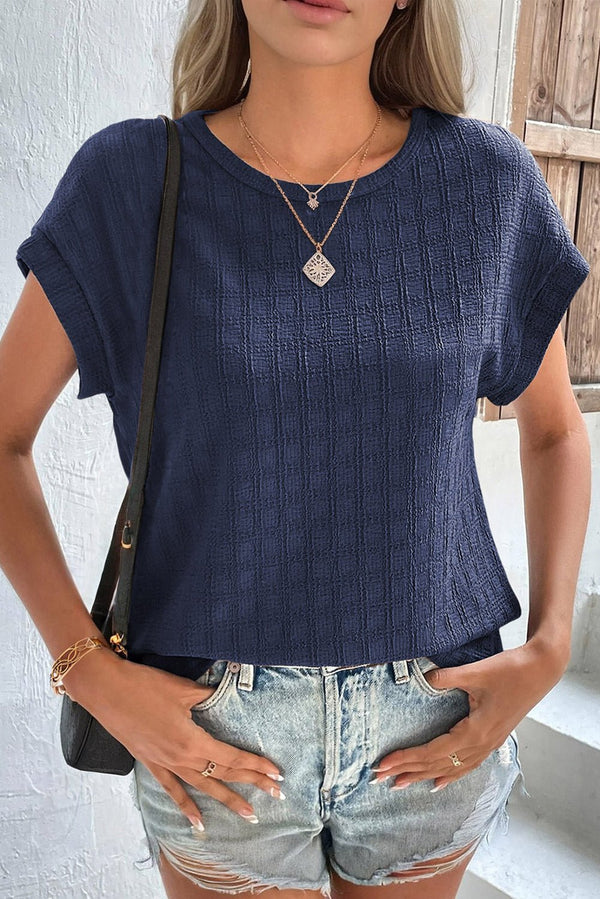
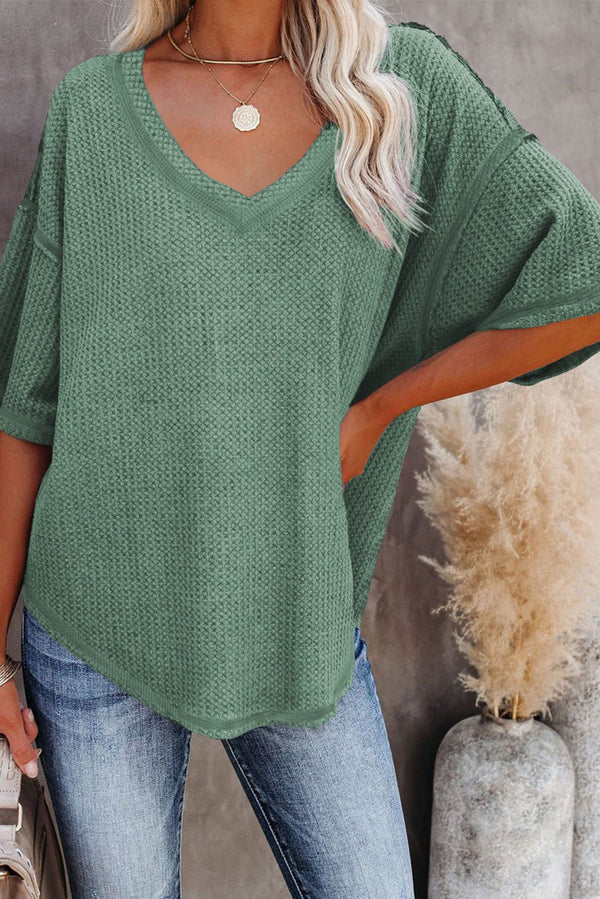


The Evolution of Independent Women's Clothing Aesthetics
The way women dress is a powerful reflection of their evolving roles in society. From the restrictive garments of the Victorian era to the bold and liberating styles of today, women's clothing has mirrored a journey of self-expression, empowerment, and the pursuit of individual identity. This evolution has been fueled by historical context, the influence of key figures and movements, and the ever-shifting landscape of cultural trends. 
The Victorian era, with its emphasis on modesty and conformity, confined women to corseted silhouettes and voluminous skirts. These restrictive garments symbolized the societal expectations placed upon women, limiting their mobility and self-expression. However, the seeds of change were sown with the rise of the suffrage movement in the late 19th and early 20th centuries. As women fought for their right to vote and participate in public life, their clothing began to reflect their growing independence. Skirts became shorter, waistlines dropped, and women began to embrace trousers and tailored suits, challenging traditional gender norms. 
The 1920s saw the emergence of the flapper, a symbol of female emancipation. Embracing the new freedom of the post-war era, flappers embraced short dresses, bobbed hairstyles, and loose, flowing silhouettes. This movement, fueled by jazz music and the rise of the Roaring Twenties, signaled a significant shift in women's fashion, emphasizing comfort, practicality, and a youthful, carefree spirit.
The 1960s and 1970s witnessed another wave of social change, as women's liberation movements gained momentum. The rise of feminist fashion championed practicality and functionality, with designers like Yves Saint Laurent and Mary Quant creating clothes that empowered women to navigate a rapidly changing world. The mini-skirt, the pantsuit, and the simple, minimalist designs of the era reflected the desire for liberation from societal constraints and a new focus on individual expression. 
The late 20th and early 21st centuries saw the rise of independent women's fashion as a distinct and ever-evolving aesthetic. Designers like Vivienne Westwood, Rei Kawakubo, and Donna Karan embraced unconventional silhouettes, bold colors, and innovative materials, challenging the boundaries of traditional fashion. The rise of street style and the influence of social media have further democratized fashion, allowing women to express their individuality through diverse styles, from vintage finds to contemporary streetwear.
Defining the Independent Women's Clothing Aesthetic
The independent woman's clothing aesthetic goes beyond mere fashion trends; it's a statement of self-expression and a rejection of societal expectations. It embodies a core set of principles that prioritize comfort, functionality, and personal style above all else. This aesthetic is built on a foundation of tailored silhouettes, versatile pieces, and a fearless embrace of bold prints and colors.
Core Principles:
- Comfort: This aesthetic prioritizes clothing that feels good to wear. Gone are the days of constricting corsets and impractical designs. Independent women's clothing embraces loose, flowing fabrics, breathable materials, and comfortable cuts that allow for freedom of movement.
- Functionality: These garments are designed for everyday life, offering practicality and versatility. They can transition seamlessly from work to play, from day to night, making them essential pieces in a woman's wardrobe.
- Self-Expression: The core of this aesthetic lies in its ability to empower women to express their unique personalities through clothing. Bold patterns, vibrant colors, and statement pieces become vehicles for individuality, allowing women to showcase their creativity and confidence.
- Rejection of Traditional Gender Norms: This aesthetic challenges the traditional binary of feminine and masculine clothing. It embraces a fluidity of style, allowing women to wear pantsuits, tailored shirts, and other traditionally "masculine" garments without compromising their femininity.
Key Elements:
- Tailored Silhouettes: Clean lines and sharp tailoring create a sense of sophistication and empowerment. Think tailored pantsuits, structured jackets, and well-fitting dresses that accentuate the wearer's natural form.
- Versatile Pieces: The focus on versatility allows for maximum wearability. A timeless trench coat, a classic white shirt, or a pair of versatile black trousers can be styled in countless ways, making them essential staples in a woman's wardrobe.
- Bold Prints and Colors: From geometric patterns to floral motifs and vibrant hues, independent women's clothing embraces bold prints and colors that make a statement. These designs are a visual representation of individuality and a rejection of conformity.
- Focus on Quality Fabrics: This aesthetic values quality over quantity, prioritizing natural fabrics like linen, silk, and cotton. These materials are durable, breathable, and comfortable, ensuring that each piece remains a cherished part of a woman's wardrobe for years to come.
Examples:
Several brands and designers have become synonymous with the independent women's clothing aesthetic. These labels embody the core principles and key elements discussed above, offering clothing that is both stylish and empowering:
- Reformation: This brand is known for its sustainable practices, feminine silhouettes, and focus on quality fabrics.
- Everlane: Transparency and ethical production are at the heart of Everlane's mission. Their timeless designs and focus on quality materials make them a favorite among women seeking classic, versatile pieces.
- Eileen Fisher: This brand embodies a minimalist aesthetic with a focus on comfort and functionality. Their clothing is designed to be timeless, versatile, and effortlessly stylish.
- Theory: Known for its tailored silhouettes and sophisticated designs, Theory offers a range of contemporary pieces perfect for the modern, independent woman.
- Stella McCartney: This designer is a champion of sustainable practices and ethical fashion. Her designs often feature bold prints, innovative cuts, and a focus on comfortable, wearable pieces.
- Arket: This brand offers a curated selection of high-quality, minimalist clothing for both men and women. Their focus on timeless pieces and sustainable practices aligns perfectly with the independent woman's aesthetic.
The independent woman's clothing aesthetic is more than just a fashion trend; it's a movement that empowers women to dress for themselves, embracing their individuality and rejecting societal expectations. By prioritizing comfort, functionality, self-expression, and quality, this aesthetic allows women to feel confident, empowered, and authentic in their own skin.
The Future of Independent Women's Clothing
The future of independent women's clothing is brimming with possibilities, driven by a confluence of social, environmental, and technological forces. This movement is no longer just about clothing; it's about a conscious shift towards a more sustainable, inclusive, and innovative fashion landscape.
Sustainability and Ethical Production:
The growing awareness of fashion's environmental impact has propelled the demand for ethical and sustainable practices. Independent brands are leading the charge by incorporating recycled materials, minimizing waste, and prioritizing fair labor practices. Consumers are increasingly seeking out brands that align with their values, driving a shift towards transparency and accountability in the fashion industry. Expect to see more innovative materials like organic cotton, hemp, and recycled plastic finding their way into independent women's clothing.
Inclusivity and Body Positivity:
The tide is turning towards celebrating diversity in all its forms, and the fashion industry is no exception. Independent brands are actively challenging traditional beauty standards by offering clothing in a wider range of sizes, shapes, and styles. This commitment to inclusivity ensures that women of all backgrounds feel empowered and represented in their clothing choices. Expect to see more brands embracing body positivity, celebrating curves, and offering a wider range of sizes and body types, making fashion truly accessible and inclusive.
Technology and Innovation:
Technology is revolutionizing the way we design, manufacture, and consume fashion. From virtual reality fitting rooms to personalized styling apps, technology is enhancing the consumer experience and making it more interactive and engaging. Independent brands are embracing these advancements, using 3D printing for unique designs and AI-powered tools to personalize recommendations. This fusion of technology and fashion will lead to more innovative and personalized clothing experiences, catering to individual needs and preferences.
The future of independent women's clothing is bright, driven by a commitment to sustainability, inclusivity, and innovation. These brands are not just creating clothes; they are shaping a more conscious and equitable future for fashion, empowering women to express themselves authentically and embrace their individuality.


