
 MsDressly
 MsDressly
How to Layer Clothes for a Stylish Fall Outfit: Complete Guide | MsDressly
Outfit guidance first — then one shoppable MsDressly piece with price and sizes below.
One in-stock pick to shop now
Shop Evening & Cocktail Dresses
Updated October 2026 by the MsDressly editorial team.
Shop the styles
-

women's stylish women's earth tone aztec quilted jacket - cozy layer for fall and winter casual outings with practical styling and dependable — $89.99 -

Belted Overall Jumpsuit with Flap Pockets for Women, Stylish Casual One-Piece Outfit for Spring & Summer — $39.99 -

Trendy Women's Multicolor Aztec Print Denim Jacket with Frayed Hem Stylish Casual Fall Outerwear for Layering made for easy styling and wardrobe — $89.99 -

Trendy Women's Color Block Pant Set - Stylish Two-Piece Outfit for Casual Wear, Comfortable Fit & Modern Design — $59.99 -

Stylish Women's Khaki Striped Two-Piece Set - Flattering Casual Outfit with Trendy Design for Effortless Elegance — $49.99 -

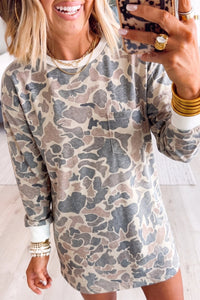
Cozy Gray Leopard Print High Neck Oversized Sweater for Women with Side Slit - Perfect for Stylish Fall Outfits — $39.99 -

cozy women's dark brown camo and floral print sherpa jacket with zipper - stylish outerwear for fall and winter comfort made for easy styling and with — $89.99 -

Trendy Women's Brown Striped Cropped Long Sleeve Top with Drawstring Mini Skirt Set - Stylish Patchwork Outfit made for easy styling and wardrobe — $79.99
The three-layer formula: base, middle, outer
Every polished fall outfit follows the same architecture. The base layer sits against your skin and does the work of smoothing: a fitted cotton or ribbed tee, a thin turtleneck, or a bodysuit in a solid neutral. It should skim the body so nothing you add on top has to fight for room.
The middle layer is where personality enters — a chambray shirt worn open, a fine-gauge cardigan, a half-zip knit, or a cropped sweater. This piece can carry your print or accent color because it is still partially framed by whatever goes over it.
The outer layer anchors the silhouette: a quilted jacket, a sherpa coat, a denim jacket, or a belted longline cardigan. Because it reads as one strong shape, it forgives a lot of experimentation underneath. Three layers is the sweet spot for most fall days; add a scarf or vest as a fourth only when temperatures genuinely demand it.
Get the proportions right
Layering fails on proportion more often than on color. Three rules keep everything balanced:
- Long over lean. If your outermost layer is long and oversized — a knee-length cardigan or a roomy sherpa — keep everything under it slim: fitted tee, straight-leg or skinny pants, a sleek boot.
- Cropped over high-waisted. A cropped sweater or short jacket works when the waistband beneath it sits at your natural waist. The gap (or near-gap) between hem and waistband is what makes the look intentional.
- Stagger your hems. Each visible hem should land at a clearly different point: base layer ending at the hip, mid-layer at the high hip, jacket at mid-thigh. Hems stacked at the same line chop the body into blocks.
Sleeves follow the same logic — let a sliver of the layer beneath peek out at the wrist. That inch of ribbed cuff or striped tee sleeve is the detail that signals the layering was deliberate.
Order fabrics from light to heavy
Fabric weight matters as much as garment size. The rule is simple: thinnest in, thickest out. A cotton or modal base, a merino or cotton-blend knit in the middle, then wool, quilted nylon, sherpa, or denim on top. Reversing this order — a chunky knit under a thin jacket — creates lumps that no amount of tailoring fixes.
Within the middle layer, choose knits and shirting that lie flat: fine-gauge sweaters, brushed cotton shirts, smooth French terry. Save heavy cable knits and bouclé for the outermost spot or for a single statement middle layer worn under a roomy coat.
Texture mixing is where fall layering shines. A smooth base plus a nubby knit plus a crisp quilted shell gives the eye three distinct surfaces to land on. Aim for contrast between adjacent layers rather than repeating the same texture twice.
Color and texture: the 2+1 rule
The easiest fall palette is two neutrals plus one accent. Build the base and one other layer in neutrals that share an undertone — cream and camel, gray and charcoal, olive and brown — then let a single piece carry the color: a rust cardigan, a burgundy tee, a printed jacket.
Earth tones are forgiving because they layer tonally without clashing. A khaki base under a chocolate mid-layer under an earth-tone quilted jacket reads as one cohesive gradient rather than three competing pieces. When in doubt, keep the outer layer in the deepest shade — dark on the outside visually compresses the silhouette.
If you wear a print, wear only one. A patterned jacket over solid layers is striking; a printed jacket over a printed sweater over a striped tee is noise. Let the loudest piece be the one people see first.
Common layering mistakes (and easy fixes)
- Everything oversized. Volume works in exactly one layer per outfit. If the jacket is big, the layers beneath go fitted — and vice versa.
- Shoulder bulge. If the outer layer's shoulder seam sits far below your natural shoulder, size down the coat or slim down the layers underneath.
- Neckline pile-up. A turtleneck under a crewneck under a collar creates a crowded neck zone. Vary necklines: high under scoop, crew under open collar, V under crew.
- Forgetting the indoor layer. You will take the jacket off. Make sure the middle layer looks complete on its own — an open button-down over a tee counts.
- Matching everything. Head-to-toe camel or head-to-toe gray flattens the look. Break up monochrome with texture or a single accent shade.
Occasion formulas: casual weekends and brunch
Concrete formulas make layering easy to repeat. For a weekend farmers' market or casual brunch:
- Formula A: fitted white ribbed tee + open plaid flannel or chambray shirt + earth-tone quilted jacket + straight-leg jeans + ankle boots.
- Formula B: thin black turtleneck + oversized leopard-print sweater + leggings or slim jeans + sneakers. An oversized high-neck sweater does mid-layer and statement duty at once — no third piece needed on mild days.
- Formula C: striped cropped long-sleeve top + high-waisted mini skirt + tights + sherpa jacket + knee boots for colder afternoons.
For outdoor plans where the temperature drops fast, keep the jacket zip-accessible: a zip-front sherpa jacket lets you vent without dismantling the outfit.
Occasion formulas: office and evenings
Office: silk or satin-finish camisole + fine merino crewneck + structured blazer or longline cardigan + trousers. Keep the palette in the same undertone family and let texture — knit against smooth suiting — do the visual work. The cardigan version swaps the blazer for a belted longline style, which reads polished but softer.
Dinner or a date: fitted bodysuit + slip dress or midi skirt + cropped jacket + heeled boots. The cropped layer defines the waist over a fluid dress, which is the same proportion rule as cropped-over-high-waisted.
Cold commute: thermal base + thin sweater + quilted or sherpa coat + scarf. The scarf adds the fourth layer only at the neck, where you feel temperature shifts most, without adding bulk through the torso.
Layering dresses and one-pieces
Dresses layer well because they collapse the base and mid-layer into one piece. A thin turtleneck or fitted tee under a sleeveless or short-sleeve dress instantly converts summer pieces for fall; add tights and a jacket and the same dress works through November. A longline cardigan over a midi dress creates the long-over-lean silhouette automatically.
Jumpsuits follow the same logic: a slim knit under a belted overall jumpsuit, or a denim jacket over a fitted one-piece. If you are building a fall dress rotation, the How to Layer Dresses for Fall collection groups pieces sized and weighted to stack cleanly.
Shopping for fall layering pieces
Shop by role, not by item. Before adding anything to your cart, decide whether it will serve as a base, middle, or outer layer — a piece that cannot be assigned a slot usually becomes closet clutter. Prioritize: one fitted neutral base that goes under everything, one statement middle layer (a printed or colored knit), and one reliable outer layer in a versatile earth tone.
Fit checks that matter for layering: outer layers should button comfortably over a sweater, mid-layers should slide under your jacket without the sleeves twisting, and base layers should be thin enough that two of them feel like one shirt.
MsDressly ships free when you buy 2 or more items or on orders over US$80 — a natural fit for layering, since the system works best when you build two or three pieces at once.
Shop by category
Guides:Fall Outfits For Women: A MsDressly Guide · Seasonal Capsule Wardrobe Systems: A MsDressly Guide


