
 MsDressly
 MsDressly
Best Brand for Work Clothes: What to Look For and Where to Shop
Outfit guidance first — then one shoppable MsDressly piece with price and sizes below.
One in-stock pick to shop now
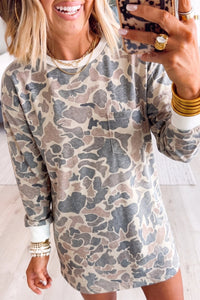
Shop Evening & Cocktail Dresses
Updated October 2026 by the MsDressly editorial team.
Shop the styles
-

Women's Work-to-Weekend Blouse in Blouses & Shirts — $49.99 -

Chic Women's Blouses & Shirts - Trendy, Comfortable Fit for Work or Casual Wear in Vibrant Colors and Stylish Designs — $99.99 -

Stylish Women's Blouses & Shirts - Trendy Designs, Comfortable Fit, Perfect for Work or Casual Outings — $59.99 -

Chic Women's Blouses & Shirts - Stylish, Comfortable Fits in Vibrant Colors for Work, Casual, and Special Occasions — $99.99 -

Elegant Women's Blouses and Shirts - Trendy Colors, Flattering Fit, Ideal for Work and Casual Outings — $69.99 -

Trendy Women's Blouses & Shirts – Comfortable Fit in Stylish Patterns for Work or Casual Outings — $69.99 -

Trendy Women's Blouses & Shirts - Comfortable Fit for Work or Casual Outings in Stylish Designs and Vibrant Colors — $89.99 -

Chic Women's Blouses & Shirts - Elegant Styles, Comfortable Fit, Ideal for Work, Casual Outings, or Special Events — $99.99
What actually makes a great workwear brand
Brand name matters less than brand behavior. The labels worth your loyalty share a few measurable traits: consistent sizing across styles (a medium is always a medium), fabrics that hold their shape after a full day of sitting and commuting, and a catalog built around outfit systems rather than one-off statement pieces. When you evaluate any brand, check three things before price: fabric composition (look for ponte, crepe, ponte-knit blends, and lined woven tops), seam finishing in product photos, and whether the brand shows the same garment styled multiple ways. A brand that photographs a blouse under a blazer, tucked into trousers, and over a skirt is telling you the piece was designed to work hard.
The core work wardrobe every good brand should cover
Before judging a brand, know the checklist. A complete workwear offering covers five categories: (1) polished tops — button-front blouses, shells, and fine-gauge knits in solid colors; (2) tailored bottoms — straight-leg or wide-leg trousers, ponte pants, and knee-length pencil or A-line skirts; (3) one-and-done dresses — sheath, fit-and-flare, and wrap styles that need only shoes and a bag; (4) toppers — a structured blazer or longline cardigan; and (5) transitional pieces that dress down for Fridays. If a brand sells only trend pieces or only basics, it can anchor part of your closet but not all of it.
Fabrics that separate good work clothes from fast fashion
Fabric is where affordable and cheap diverge. For blouses, look for crepe, chiffon layered over an opaque lining, or matte jersey — all drape cleanly and resist clinging. For trousers and skirts, ponte knit is the workhorse: it stretches for all-day comfort, holds a crease, and rarely wrinkles in a bag. Structured woven blends (polyester-viscose with 2-5% elastane) mimic the look of suiting at a fraction of dry-clean-only prices. One practical test: if the fabric is opaque in white or ivory, the quality bar is probably met across the line. Machine-washable workwear also saves real money over a year of dry cleaning.
Silhouettes that look professional on every body
The most reliable workwear silhouettes are defined by structure at the shoulders and ease through the body. For tops: V-neck and jewel-neck blouses with a subtle shoulder seam sit cleanly under blazers; peplum and softly gathered styles skim the midsection without pulling. For bottoms: a mid-rise straight or wide leg lengthens the frame, while a pull-on ponte pant delivers the same line with elastic-waist comfort. For dresses: a wrap or fit-and-flare in knee to midi length works across body shapes and dress codes. The best brands cut these shapes generously enough to move but with enough tailoring to read intentional, not oversized.
Building a work color palette that does the work for you
A strong workwear brand designs within a disciplined palette so everything coordinates. Anchor your closet in three neutrals — black or navy for bottoms, ivory or soft white for tops, and camel or grey as your third — then add two accent colors per season. Jewel tones (emerald, burgundy, sapphire) read professional year-round and photograph well on video calls. Subtle prints like pinstripes, small polka dots, and tonal florals add interest without breaking a conservative dress code. If every new piece you buy pairs with at least three items you already own, your brand's palette is working.
Office vs. business casual vs. work-from-home
The best work clothes brands cover all three dress codes without forcing separate wardrobes. For traditional offices: a blouse with a defined collar or bow neck, tailored trousers, and a structured dress. For business casual: swap the blazer for a longline cardigan and the suiting pant for ponte. For work-from-home, the formula shifts to camera-ready tops with comfortable bottoms — a polished blouse over pull-on pants means you look put-together on video and feel comfortable off it. Prioritize tops with interesting necklines or colors for WFH, since only your top half is in frame; the Work-to-Weekend Blouse is designed for exactly this transition, polished enough for the office and relaxed enough for the couch-to-desk commute.
How to evaluate an affordable workwear brand
To vet an affordable brand: check whether blouses are lined or opaque, whether knits are substantial enough to not pill immediately, and whether the brand offers the breadth to build outfits (tops, bottoms, dresses, layers — not just one category). Read reviews specifically for comments about fit consistency and wash performance, since those reveal whether low price means smart sourcing or cut corners.
Mistakes to sidestep when shopping work clothes brands
Three habits quietly drain a work wardrobe budget. First, buying outfit-by-outfit instead of piece-by-piece — one blouse, one pant, and one dress that all interchange outperform three matched outfits. Second, ignoring care labels: a cheap blouse that needs dry cleaning costs more over time than a washable one at twice the price. Third, over-indexing on trends; a puff-sleeve or cutout top has a shelf life, while a clean V-neck blouse works for years. Frame your purchases as try-worthy upgrades — swap a pilling knit for ponte, a sheer blouse for a lined one — rather than overhauling everything at once.
Shopping work clothes at MsDressly
MsDressly's blouses and shirts are built around the work-to-weekend principle: polished necklines, comfortable fits, and colors ranging from office-safe neutrals to vibrant accents, at prices that let you build a rotation instead of rationing one piece. Browse the full range in the MsDressly Best Picks collection for proven styles, or compare brand breakdowns in our work clothes brands guide and tips for remote days in work from home clothes for women. Shipping is free when you buy two or more items or spend over US$80, which makes bundling a blouse, bottom, and dress the most cost-effective way to refresh a work wardrobe.
Shop by category
Guides:Seasonal Capsule Wardrobe Systems: A MsDressly Guide · Budget Friendly Seasonal Wardrobe Planning: A MsDressly Guide


