
 MsDressly
 MsDressly
Best Lightweight Women's Jacket for Travel: A Layering and Packing Guide
Outfit guidance first — then one shoppable MsDressly piece with price and sizes below.
One in-stock pick to shop now
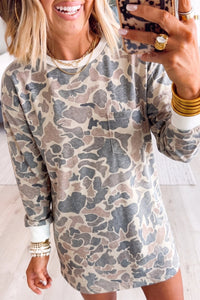
Shop Evening & Cocktail Dresses
Updated October 2026 by the MsDressly editorial team.
Shop the styles
-

Women's Solid Lightweight Thermal Layer Sleeveless Zip-Up Vest Coat — $89.99 -

Women's Lightweight Blazer for Women made for easy styling and wardrobe coordination, with premium-like structure and finish. — $89.99 -

Women's Lightweight Hooded Quilted Coat in Sand Beige — $89.99 -

Chic Lightweight Leopard Print Travel Bag for Women - Durable and Stylish for Weekend Getaways and Everyday Adventures. — $29.99
A Step-by-Step Approach to Choosing a Travel Jacket
Start with your itinerary, not the jacket. Write down the coldest and warmest temperatures you'll realistically face, then work through five checks in order.
- Climate range. A single lightweight jacket should cover roughly a 30-degree swing when layered — say, a cool 50°F morning through a warm 80°F afternoon.
- Silhouette. Pick the shape first: a quilted zip-up for versatility, a softshell or anorak with a hood for wet forecasts, an unstructured blazer for work trips, or a zip-up vest when you want core warmth without sleeve bulk.
- Packability. The jacket should fold or roll down to roughly the size of a paperback. If it only drapes, it stays home.
- Closures and pockets. A full zip beats pullover styles for on-and-off temperature shifts. Look for at least one interior or zippered pocket for a phone and passport.
- The layering test. Try the jacket over the thickest knit you plan to pack. If the shoulders pull or the arms feel tight, size up or choose a roomier cut.
The Three-Layer Travel System
Experienced packers think in layers rather than single heavy pieces. A three-layer system handles almost any trip with just two packable items plus what you wear.
Base layer: a breathable cotton, modal, or merino tee or thin long-sleeve top. This is your warm-weather outfit on its own and your moisture-managing layer under everything else.
Mid layer: a fine knit sweater, light fleece, or a quilted zip-up vest. A vest is the underrated hero here — it insulates your core, slips under a shell without bunching at the shoulders, and doubles as outerwear on mild days.
Outer layer: your lightweight jacket. It blocks wind and light rain and pulls the outfit together. Together, the three layers can substitute for a coat you'd otherwise have to carry through airports.
Getting the Proportions Right
Proportion is what separates a travel jacket that gets worn daily from one that stays in the suitcase. A few reliable guidelines:
- Hip-length is the travel sweet spot. A hem ending at or just below the hip covers a tucked tee, works over tunics, and stays out of the way on trains and planes. Cropped jackets look sharp but leave your lower back exposed on cold seats.
- Match volume to volume. A relaxed or slightly oversized jacket layers cleanly over knits. A slim-fit jacket only works if your underlayers are equally fitted — pair it with a thin merino top rather than a chunky sweater.
- Watch the sleeves. Three-quarter or bracelet sleeves look polished but can't layer over long sleeves. For maximum range, choose a full-length sleeve you can push or cuff.
- Mind dress and skirt hems. Over midi and maxi lengths, a shorter jacket defines the waist. Over knee-length pieces, a hip or mid-thigh jacket keeps the line continuous.
Fabric Weight Order: What Goes Under and Over
The core technique of layering is simple: each layer gets slightly heavier and looser as you move away from the body. This keeps every piece doing its job without trapping bulk at the shoulders.
A practical order, lightest to heaviest:
- Silk, cotton, or modal base — thin and smooth against skin
- Merino or fine-gauge knit — breathable warmth
- Quilted vest or light fleece — lofted insulation
- Woven outer layer — quilted polyester, softshell, gabardine, or a lined blazer fabric that blocks wind
Two rules keep this system clean. First, never put a compressible layer over a structured one — a knit over a blazer creases both. Second, smooth every layer down as you add the next; bunching at the elbow or shoulder is what makes layering feel bulky.
Hooded, Collared, Blazer, or Vest: Picking Your Style
Each lightweight jacket style earns its place differently.
Hooded quilted jacket: the all-rounder. A hood handles drizzles and wind without an umbrella, and quilting traps warmth without weight. Choose a neutral like sand beige, black, or olive so it reads as outerwear rather than sportswear.
Collared zip-up or softshell: the city option. A stand collar looks tidy over a scarf and slips under a trench if the weather turns serious.
Unstructured blazer: the work-trip answer. A lightweight women's blazer in a fluid fabric packs with minimal wrinkling, goes over a tee on the plane, and dresses up instantly over a sheath dress in a meeting room.
Travel vest with pockets: the warm-climate or active-trip pick. It frees your arms, adds zippered storage, and compresses to almost nothing in a carry-on.
Common Mistakes to Sidestep
Packing a heavy coat "just in case." A bulky wool coat that only works at the coldest end of your trip spends most of the journey carried, not worn. A layered lightweight system covers the same temperatures with more flexibility.
Choosing a jacket that only fits over a tee. If it can't zip over your thickest packed knit, it has one temperature instead of a range.
Ignoring closure type. Pullover anoraks and snap-only fronts are slower to ventilate than a full two-way zip — a real annoyance moving between overheated terminals and cold jet bridges.
Forgetting the outfit palette. A jacket that clashes with half your packed clothes effectively doubles what you need to bring. Neutrals — black, beige, navy, olive, grey — pair with everything.
Checking it instead of wearing it. Your bulkiest layer should board the plane on your body, not in your bag.
Occasion Variations: One Jacket, Many Trips
Sightseeing days: quilted hooded jacket over a striped tee, straight-leg jeans, and sneakers. Hood up for the morning, jacket tied at the waist by afternoon.
Business travel: lightweight blazer over a fine knit or a travel set, wide-leg trousers, and loafers. The blazer reads formal on arrival and casual with jeans at dinner.
Cold-weather city trips: merino base, quilted vest, then a hooded quilted coat on top — a lightweight winter jacket system that's genuinely warm without the carry-on penalty of a parka.
Evenings out: swap the quilted layer for the blazer or a clean collared jacket over a slip dress or dark jeans. A lightweight dress jacket in a solid neutral passes at most restaurants.
Active days and hikes: zip-up vest over a long-sleeve base — core warmth, free arms, and pockets where you can actually reach them.
Packing and Wearing Strategy
Wear the jacket on travel days — it doubles as a blanket on cold cabins and frees carry-on space. If you must pack it, roll rather than fold: roll knit pieces inside the jacket so they cushion it and reduce creases. Quilted and softshell fabrics release wrinkles quickly once hung; a wrinkle-release spray or a steamy bathroom handles the rest.
Choose a jacket color that anchors your capsule. If your packed wardrobe is built on two neutrals — say, black and cream — a beige or black jacket finishes every combination. Keep one scarf in the jacket pocket; it changes the look and adds a thin warmth layer you'll use constantly.
Shopping Lightweight Travel Jackets at MsDressly
Ready to build your travel layer? A few picks that fit the system above:
- Women's Lightweight Hooded Quilted Coat in Sand Beige — the versatile hooded option for three-season and lightweight winter travel.
- Women's Lightweight Blazer — a packable, polished layer for work trips and evenings.
- Women's Lightweight Thermal Layer Sleeveless Zip-Up Vest Coat — the core-warming mid-layer with hands-free ease.
For complete outfits to layer under your jacket, browse the Travel Capsule Wardrobe collection. Shipping is free when buying 2 or more items, or on orders over US$80.
Related collections
Shop by category
Guides:Seasonal Capsule Wardrobe Systems: A MsDressly Guide · Budget Friendly Seasonal Wardrobe Planning: A MsDressly Guide


