
 MsDressly
 MsDressly
Best Lightweight Winter Jackets for Women: Warmth Without the Bulk
Outfit guidance first — then one shoppable MsDressly piece with price and sizes below.
One in-stock pick to shop now
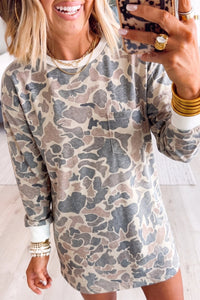
Shop Evening & Cocktail Dresses
Updated October 2026 by the MsDressly editorial team.
Shop the styles
-

Women's Double-Breasted Feather Cuff Blazer in Winter White and Black — $89.99 -

Women's Solid Lightweight Thermal Layer Sleeveless Zip-Up Vest Coat — $89.99 -

Women's Casual Winter Long Plaid Flannel Jacket — $89.99 -

Women's Warm Winter Jacket in Jackets for polished occasion-to-casual wear — $119.99 -

Women's Warm and Fluffy Winter Jacket in Jackets — $89.99 -

Women's Cozy Beige Vintage Paisley Floral Hooded Jacket with Sherpa Lining for Chic Winter Warmth — $89.99 -

Sequined Open-Front Evening Jacket in Winter White made for easy styling and wardrobe coordination, with premium-like structure and finish — $119.99 -

Women's Lightweight Blazer for Women made for easy styling and wardrobe coordination, with premium-like structure and finish. — $89.99
What "Lightweight" Actually Means in a Winter Jacket
A lightweight winter jacket is not a thin jacket — it's a jacket engineered to deliver warmth per ounce. The difference is in the insulation and construction, not the absence of material. A well-made lightweight coat uses lofted fill, brushed linings, or tightly woven shells to trap warm air close to the body, so a jacket that weighs half as much as a traditional wool overcoat can feel just as warm in dry, windy conditions.
Lightweight designs also change how you dress. Because they compress and flex, they layer cleanly under and over other pieces, fit under seatbelts and tote straps, and work for travel days when a heavy parka would spend most of the trip in your arms. The goal is mobility plus warmth, not warmth at the cost of wearing a sleeping bag.
Winter Jacket Materials That Punch Above Their Weight
Material choice is where lightweight warmth is won or lost. The standouts:
- Sherpa and fleece linings — a sherpa-lined hooded jacket insulates like a much heavier coat because the pile holds a layer of still air against your core. It also feels warm the second you put it on, unlike smooth linings that need body heat to warm up.
- Quilted thermal fill — stitched-channel insulation distributes fill evenly and prevents cold spots, which is why quilted zip-up layers work so well as standalone jackets in mild cold and as mid-layers in severe cold.
- Dense flannel and wool-blend shells — a brushed plaid flannel jacket blocks wind surprisingly well for its weight and reads polished rather than sporty.
- Down and down-alternative — the highest warmth-to-weight ratio available; look for it when you need serious insulation in a packable format.
A Step-by-Step Way to Choose
Work through these five checks in order and the right jacket usually reveals itself:
- Define your coldest realistic use. A jacket for a 40°F commute is a different buy than one for below-freezing windchill. Shop for your coldest day, not your average one.
- Pick your insulation type. Sherpa for instant cozy warmth, quilted fill for versatility, flannel or wool-blend for polished everyday wear.
- Confirm the length. Hip-length or longer keeps wind off your lower back and works over dresses; cropped styles are a style choice, not a warmth choice.
- Check the closures. A full zip or button front with a storm placket seals better than open-front styles; elastic or adjustable cuffs keep drafts out of sleeves.
- Test the layer room. You should fit a thin knit underneath comfortably — more on sizing in the next section.
Fit and Proportions: Room to Layer, Not to Swim
The most common lightweight-jacket mistake is sizing up too far. Warm air escapes from a jacket that hangs loose at the hem and collar, so oversized fits can actually feel colder than a closer cut. Aim for a silhouette that skims your shoulders and chest with enough ease to layer a fine-gauge sweater or long-sleeve tee underneath.
Proportion matters for the overall look too. A longline jacket over slim jeans or leggings creates a clean vertical line; a hip-length jacket balances wider-leg trousers and midi skirts. If you carry warmth in your core, prioritize shoulder fit — a jacket that pulls across the shoulders will never layer well no matter how loose the body is.
Fabric Weight Order: Layering Under a Lightweight Shell
Lightweight jackets work hardest when the layers beneath them are sequenced correctly. Dress in this order:
- Base layer: a fitted thermal or merino-blend top — thin, moisture-wicking, close to skin.
- Mid layer: a fine knit, fleece, or lightweight sweater — this is your adjustable warmth dial.
- Outer layer: your lightweight jacket — wind-blocking shell plus insulation.
The rule is thin-to-thick, fitted-to-relaxed. Each layer traps its own pocket of warm air, so three light layers outperform one heavy one — and you can shed the mid layer indoors without losing your outfit's structure. A sleeveless thermal vest earns its place here: it warms the core while keeping arms free, which is ideal under a slimmer jacket that can't accommodate a bulky sweater.
Hoods and Cold-Weather Details Worth Having
A hood is the single most useful feature on a lightweight winter jacket — it replaces a hat, seals the neck gap where most heat escapes, and handles surprise snow or drizzle. Look for hoods that are insulated or sherpa-lined rather than thin fabric shells, and ideally adjustable so they stay put in wind.
Beyond the hood, the details that separate a genuinely warm lightweight jacket from a fashion layer: a high collar that zips to the chin, a zipper garage so the pull doesn't touch your neck, pockets deep enough for gloved hands, and a hem that can be cinched or sits snug against the body. These are small features with an outsized effect on real-world warmth.
Lightweight Jackets for Serious Cold — Including New York Winters
Can a lightweight jacket handle extreme cold or a New York winter? Yes — with a caveat about what "extreme" means. For sustained sub-zero temperatures or hours outdoors, you need expedition-grade insulation, full stop. But for a city winter — subway platforms, icy avenues, 20–35°F days with wind off the Hudson — a well-chosen lightweight jacket handles it comfortably because you're moving, not standing still.
The city-winter formula: a sherpa-lined or quilted jacket that covers the hips, a real hood, and a thin thermal base layer underneath. That combination is warmer than a heavy unlined wool coat because it manages wind and traps heat efficiently. Add a scarf to close the collar gap on the coldest days and you've covered nearly every day a Northeast winter produces.
Styling a Winter Jacket Over Dresses
Winter dresses and lightweight jackets are natural partners — the jacket's clean line doesn't fight the dress's silhouette the way a bulky parka does. The pairings that work best:
- Midi sweater dress + hip-length jacket — the jacket ends where the dress continues, elongating the leg line. Add tights and ankle boots.
- Fit-and-flare dress + structured blazer-style jacket — a tailored outer layer echoes the dress's shape for party and dinner settings.
- Slip or knit dress + longline flannel or plaid jacket — the contrast of soft dress and brushed texture reads intentional and warm.
Keep the jacket's color in the same family as the dress for a column effect, or use a plaid or patterned jacket as the statement over a solid dress.
Common Mistakes to Sidestep
A few habits quietly undermine an otherwise good jacket:
- Buying for the label over the lining. A recognizable name with a thin lining loses to an unbranded jacket with proper sherpa or quilted fill. Read the material list, not just the logo.
- Confusing water-resistant with warm. A sleek shell that blocks rain but has no insulation is a spring jacket wearing winter clothes.
- Skipping the hood for looks. You can always leave a hood down; you can't add one on a freezing morning.
- Over-layering underneath. A chunky sweater under a lightweight jacket compresses the insulation and restricts movement. Two thin layers beat one thick one.
Shopping the Guide
Putting the checklist to work: the Cozy Beige Vintage Paisley Hooded Jacket with Sherpa Lining hits the hood-plus-insulation combination for everyday cold. For a polished take, the Long Plaid Flannel Jacket brings the brushed-shell warmth and longline cut that layers well over dresses. The Lightweight Thermal Zip-Up Vest is the core-warming mid-layer described above. And if you're building the dress half of the equation, the winter party dresses edit pairs cleanly under any of these.
Free shipping when buying 2 or more items, or on orders over US$80.
Shop by category
Guides:Fall Outfits For Women: A MsDressly Guide · Seasonal Capsule Wardrobe Systems: A MsDressly Guide


