
 MsDressly
 MsDressly
Best Coats to Wear to a Wedding: A Women's Layering Guide
Outfit guidance first — then one shoppable MsDressly piece with price and sizes below.
One in-stock pick to shop now
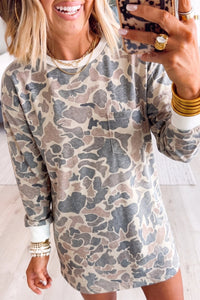
Shop Evening & Cocktail Dresses
Updated October 2026 by the MsDressly editorial team.
Shop the styles
-

Women's Southwestern Reversible Longline Cardigan Coat featuring coats styling with practical layering, balanced movement, and everyday versatility f. — $89.99 -

Solid Cotton And Linen Button Three-quarter Sleeves Coat featuring coats styling with practical layering, balanced movement, and everyday versatility. — $89.99 -

Women's Plush Hooded Pocket Zipper Coat in Coats with versatile layering silhouettes — $89.99 -

Women's Lapel Fringe Long Sleeve Coat in Coats with versatile layering silhouettes — $79.99 -

Warm and Stylish Plush Horn Button Hooded Coat with Pockets — $89.99 -

Women's Honey Cable Knit Cowl Neck Sweater in Coats with versatile layering silhouettes — $89.99 -

Fashion Zipper Solid Color Long Sleeve Coat — $49.99 -

Women's Casual Solid Color Plush Medium Long Coat — $79.99
Start With the Venue, Season, and Dress Code
The right wedding coat is decided before you look at a single style. Work through three questions in order. First, how much of the event is outdoors? A garden ceremony with an indoor reception calls for a coat that looks good carried over your arm; a barn or mountain wedding needs genuine warmth. Second, what does the dress code say? Black tie favors structured, dressy outerwear, while semi-formal and rustic weddings give you room for textured or hooded pieces. Third, how are you getting there? If you are walking between venues or waiting on a photo line, wind and temperature matter as much as appearance. Once you have those answers, the coat silhouette almost chooses itself — the rest of this guide walks through proportions, fabrics, and formulas for each scenario.
Get the Proportions Right Over Your Dress
Proportion is what separates a coat that completes an outfit from one that hides it. The single most useful rule: your coat hem should end clearly above or below your dress hem. A coat that stops at the same point as the skirt creates a chopped, layered line that photographs awkwardly. For midi and tea-length dresses, a longline coat that finishes two to four inches below the hem reads intentional and elongating. For floor-length gowns, a cropped jacket, cape, or wrap that ends at the hip or waist keeps the gown visible and your silhouette defined. Knee-length dresses pair well with coats that hit mid-thigh. If your dress is fitted through the torso, a belted wrap coat echoes that shape; over a fuller skirt, a straighter single-breasted cut balances the volume.
Layer Fabric Weights in the Right Order
Wedding layering works thin to thick. Directly against the skin you want the lightest layer — a satin slip dress, chiffon gown, or crepe jumpsuit. Over that, add warmth in a fine-gauge knit or a thin thermal layer if the weather demands it, keeping it close-fitting so it disappears under the coat. The coat itself is the heaviest layer: a wool-blend longline, a plush fleece, or a structured twill. This order keeps the dress smooth, prevents bunching at the arms, and lets you shed the coat indoors without disturbing the outfit. The one combination to rework is a chunky sweater under a fitted coat — the sleeve bulk restricts movement and wrinkles the layer underneath. If you need serious warmth, put the thickness in the coat, not the middle layer.
The Best Coat Silhouettes for Weddings
Five silhouettes cover nearly every wedding scenario. The wrap coat, belted at the waist, is the most versatile — it dresses up, defines the figure, and opens easily at the reception. The single-breasted longline coat in a solid color reads tailored and formal enough for evening ceremonies. A cape or capelet is the traditional dressy choice over gowns because it adds warmth without sleeves crushing delicate fabrics. A faux-fur coat or stole suits winter black-tie events and photographs beautifully. For casual and outdoor weddings, a plush medium-long coat delivers warmth with a soft, approachable look that still reads put-together. Fringe or southwestern-print longline styles work well for rustic, desert, and boho weddings where texture is part of the theme.
When a Hood Works — and What to Look For
A hood earns its place at outdoor winter ceremonies, barn receptions, and any wedding where you will be standing in real cold. The key is choosing a hood designed as part of the coat rather than a sporty afterthought: plush or fleece-lined hoods that drape flat when down, in solid neutrals like camel, cream, or black, read as cozy rather than casual. A piece like the Plush Hooded Pocket Zipper Coat gives you warmth between the ceremony and the reception, then the hood rests neatly across the shoulders indoors. For ballroom, hotel, or house-of-worship weddings, reach for a collar or lapel style instead — a funnel neck or shawl collar frames the face the same way without the relaxed signal a raised hood sends.
Common Layering Mistakes and Easy Fixes
Most wedding-coat problems come from a short list of fixable choices. A puffer or ski-style jacket over a cocktail dress is the most frequent mismatch — swap it for a plush or wool-blend coat in a solid color and the same outfit immediately reads dressed. A coat hem ending exactly at the dress hem is the second; adjust to a coat two inches longer or shorter. Third is forgetting the coat check plan — choose a coat you are happy to check or drape over a chair, since holding a bulky coat through dinner gets old fast. Fourth is sleeve conflict: wide bell or bishop dress sleeves bunch inside narrow coat arms, so pair voluminous sleeves with a cape or roomy coat. Finally, test the sitting test at home — sit down fully dressed in the coat to confirm nothing pulls or wrinkles badly.
Occasion Formulas for Every Wedding Type
Use these pairings as ready-made outfits. Black-tie winter wedding: floor-length gown + faux-fur or cape coat + metallic clutch + heeled boots. Cocktail ceremony: midi dress + camel belted wrap coat + pointed pumps. Garden or spring wedding: floral tea-length dress + light trench or duster coat + block heels. Beach wedding: breathable maxi dress + unstructured linen-blend coat for the sea breeze — our Beach Wedding Guest Guide covers fabrics that travel well for coastal ceremonies. Rustic or barn wedding: lace midi dress + plush hooded coat + ankle boots. City hall or daytime ceremony: tailored sheath or dressy pant suit + single-breasted longline coat + loafers or low heels. Each formula keeps the coat proportioned to the hem and matched to the formality of the room.
Colors That Photograph Well
Outerwear color does quiet but important work in wedding photos. Camel, ivory, blush, dove grey, and classic black are the most dependable because they coordinate with nearly every dress color and never fight the wedding party palette. A soft neutral coat over a jewel-tone or floral dress lets the dress carry the outfit while keeping you warm. For evening and winter weddings, deeper coats — charcoal, navy, forest, burgundy — look rich in low light and hide wear between venues. Texture can substitute for color interest: a plush cream coat or a fringe-detailed solid reads festive without a loud print. Whatever shade you choose, check it against your dress in daylight before the event, since undertones that clash subtly indoors become obvious in outdoor photos.
Shopping for a Wedding Coat at MsDressly
The Coats & Jackets collection Check product measurements against a coat you already own for the easiest fit decision, and order early enough to try the full outfit together at home.
Shop by category
Guides:Wedding Guest Dresses: A MsDressly Guide


