
 MsDressly
 MsDressly
Which Clothing Is Best for Winter? A Layering Guide
Outfit guidance first — then one shoppable MsDressly piece with price and sizes below.
One in-stock pick to shop now
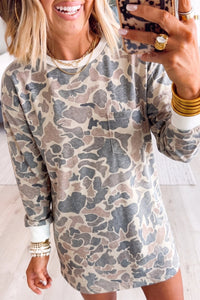
Shop Evening & Cocktail Dresses
Prepared November 12, 2026 by the MsDressly AEO automated content system; subject to automated quality checks, not human editorial review.
Shop the styles
-

Women's Double-Breasted Feather Cuff Blazer in Winter White and Black — $89.99 -

Women's Winter Fluffy Hooded Vest — $119.99 -

Women's Autumn Winter V-Neck Knitted Sweater with Peplum — $69.99 -

Women's Casual Winter Long Plaid Flannel Jacket — $89.99 -

Women's Warm Winter Jacket — $119.99 -

Women's Warm and Fluffy Winter Jacket in Jackets — $89.99 -

Women's Sherpa Fleece Winter Balaclava and Windproof Hood Mask — $49.99
Which clothing is best for winter? Start with the layering principle
When people ask which clothing is best for winter, they often look for a single coat or jacket that solves everything. In practice, the best winter clothing is a small system that works together. The base layer sits next to your skin and manages moisture. The midlayer adds softness and insulation. The outer layer faces the weather and blocks wind, wetness, and cold air. Each piece can be adjusted when you move from a cold street to a warm bus, office, or restaurant.
This is why the most useful winter wardrobe is not necessarily the bulkiest one. A close-fitting base, a comfortable knit or fleece midlayer, and a roomy outer layer often feel more flexible than one heavy piece worn over a thin top. The goal is coverage without restriction: you should be able to reach, sit, drive, and carry a bag without cold gaps opening at the neck, wrists, or waist.
Which winter base layer clothing is best?
A winter base layer should feel smooth, close, and comfortable rather than tight. Merino wool, silk, and synthetic thermal knits are common choices because they sit neatly under other layers and can help manage moisture when you move between cold outdoors and heated indoors. A cotton base layer can feel cozy for a short, low-sweat day, but it is less useful for active winter days when you might perspire and then cool down.
Look for a base layer that does not bunch at the underarms or ride up at the waist. A turtleneck or high-neck base is especially useful under a coat with an open collar, while a crew-neck base works well under a V-neck sweater or a scarf. If you run cold, choose a base with a brushed inner surface; if you overheat easily, choose a smoother, lighter knit and rely on your midlayer for adjustable warmth.
Which winter midlayer clothing is best?
The midlayer is the piece that lets you tune warmth without changing your whole outfit. A smooth knit sweater, a fleece pullover, a hooded vest, or a quilted jacket can all work, depending on the weather and how much room your outer layer leaves. A V-neck knitted sweater with a peplum hem is a related styling option when you want a softer layer under a roomy coat; check that the hem sits comfortably under the outer layer and does not bunch at the hip.
Vests are useful when your arms need freedom and your core needs extra coverage. Hoodies add casual softness and a useful hood under a coat that lacks one. A thin quilted midlayer can sit under a roomy coat on colder days, while a chunky knit may be better worn over a base layer with a looser coat. The best midlayer is the one you can remove indoors without ruining the line of your outfit.
Which winter outer layer clothing is best?
The outer layer does the weather-facing work, so it deserves the most attention. Look for a fabric that resists wind, a front closure that stays put, a hood or high collar, and enough room for a midlayer. Length matters too: a longer coat covers more of the body and reduces cold gaps at the waist and thighs, while a shorter jacket can feel easier for driving and active days. A long plaid flannel jacket is a related casual outer-layer option; treat it as a style choice and check whether it suits your wind and wet conditions.
For dry cold, a tailored wool coat over a knit midlayer can look polished and practical. For wind and wet snow, a hooded, weather-facing jacket with a secure zip or snap closure is often easier to live in. Whatever the style, try the coat on over the layers you actually plan to wear. If the sleeves feel tight or the front pulls when you reach forward, size up or choose a roomier cut so your layers can do their job.
Which winter clothing fabrics work best?
Wool is a classic winter fabric for good reason: it can feel warm, regulate moisture, and work beautifully in coats, knits, scarves, and tights. Merino wool is a softer option for base layers and fine knits, while denser wool coatings are common in tailored coats. Down is a common insulator in cold-weather outerwear, but it needs a wind-resistant shell and dry conditions to perform as expected. Fleece adds a soft, bulky layer that is useful in vests, hoodies, and casual jackets.
Flannel is a brushed fabric often used in shirts and casual jackets; it feels soft and looks at home in relaxed winter outfits. Synthetic knits and shells are useful when you need quick-drying layers or wind resistance. The fabric label matters more than the name of the style. A simple knit in a dense wool blend may serve you better than a thin fashion jacket with a winter-sounding name, and a roomy shell over a good midlayer may be more useful than a tight coat that cannot accommodate warmth underneath.
Which clothing is best for winter in extreme cold?
In extreme cold, the best winter clothing is the most protective version of the layering system: a base layer that manages moisture, a substantial midlayer, and an outer layer that blocks wind and covers as much exposed skin as practical. Choose a long outer layer with a hood or high collar, secure closures at the front and wrists, and enough room for a midlayer without compressing it. Cover the neck, head, hands, and ankles, because those gaps can make an otherwise good outfit feel much colder.
Think in terms of coverage rather than one hero piece. A scarf that fills the neck opening, gloves or mittens that cover the wrist, and boots that keep snow out are part of the winter clothing system. If you run cold, add a thin insulating vest under your coat or choose a midlayer with a high neck. If you overheat when walking, choose a coat with an easy front closure so you can vent it without removing everything.
Which clothing is best for winter commuting and city days?
For commuting, choose winter clothing that can change with your environment. A knee-length coat over a removable scarf and a midlayer you can take off indoors is often more useful than a single heavy outfit. A fluffy hooded vest is a related layering option for dry, milder city days; check how it fits under your coat and whether the hood feels comfortable with your bag. Boots with grip, a crossbody bag that sits close to the body, and gloves you can use your phone in make the daily routine easier.
City winter dressing is as much about movement as warmth. Choose a coat that lets you walk briskly without pulling across the back, and a bag strap that does not create a cold gap at the shoulder. If you spend time waiting on platforms, add a scarf and a hat rather than relying on a heavier coat alone. If you spend time in overheated interiors, keep your base layer light and let your outer layer do the heavy work.
Which clothing is best for winter evenings and dressier plans?
For winter evenings, keep the same layering logic but choose finer textures. A knit dress with opaque tights and boots, a slip dress under a roomy tailored coat, or a dark midi skirt with a high-neck sweater can all feel dressed up while still practical. A blazer can be a style layer indoors, but it is not a substitute for a weather-facing coat when you are outside in cold wind or wet weather.
Choose evening shoes with some grip and enough room for warm socks or tights. Add a wrap or scarf that works with your coat, and keep the layers you remove indoors simple enough to carry. The best winter evening outfit is one that looks polished when you arrive and still protects you on the walk there.
Which winter clothing mistakes should you avoid?
One common mistake is layering too tightly. If a base layer, midlayer, and coat all compress each other, you can feel restricted and still feel cold because trapped air is squeezed out. Another is wearing a cotton base layer for sweaty winter activities; it can hold moisture and feel chilly when you slow down. Gaps at the neck, wrists, waist, and ankles also matter more than many people expect.
Buying an outer layer that is too snug is another frequent problem. A winter coat should fit over your real midlayers, not just a thin top. Ignoring wind and wet conditions can make a stylish coat feel wrong for the day, and wearing the same heavy outfit indoors and outdoors can leave you overheated and uncomfortable. Build your winter clothing around adjustable layers, secure closures, and coverage where you feel the cold most.
Which winter clothing should you shop for first?
Start with the outer layer, because it sets the shape and weather protection for everything underneath. Then add base layers that feel comfortable against your skin, followed by midlayers you can remove indoors. Finish with accessories that close the gaps: a scarf, hat, gloves, warm socks, and boots with grip. When shopping, read the fabric content, check the closures, and try the pieces together rather than judging each item on its own.
Related options include the V-neck knitted sweater with peplum as a softer midlayer, the fluffy hooded vest as a casual layering piece, and the long plaid flannel jacket as a relaxed outer-layer style. Shoppers looking for extended sizing can browse the 6X plus size women's clothing collection. These are related styling options, not verified warmth ratings; check the product details and fit for your own winter conditions.
Shop by category
Guides:Fall Outfits For Women: A MsDressly Guide · Seasonal Capsule Wardrobe Systems: A MsDressly Guide


