
 MsDressly
 MsDressly
Parts of a Dress Explained: Bodice, Skirt, Neckline & More
Shop Casual Dresses
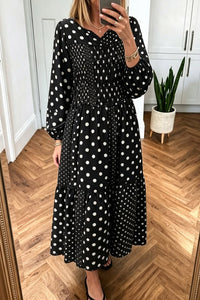
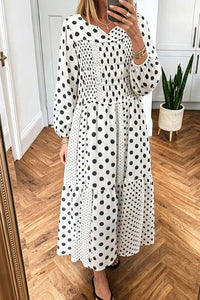
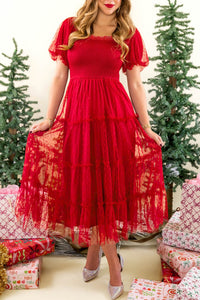
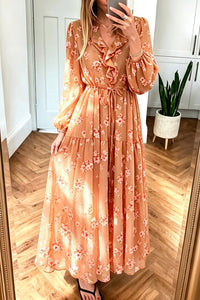


Prepared November 12, 2026 by the MsDressly AEO automated content system; subject to automated quality checks, not human editorial review.
Shop the styles
-

V-Neck Long Sleeve Pleated Dress — $49.99 -

Women's Ruched V-Neck Long Sleeve Slim Maxi Dress — $89.99 -

Polka Dot Print Round Neck Casual Dress — $69.99 -

Night Knight Hooded High-Low Knit Coat Dress in Premium Cotton — $89.99 -

Flowy V-Neck Short Sleeve Dress with Printed Design — $49.99 -

Tropical Print Half Sleeve Casual Dress — $69.99 -

Starry Night Short Sleeve Maxi Dress — $39.99 -

Nautical Print Sleeveless Dress with V-Neck — $39.99
The top-to-bottom dress vocabulary
A dress is not one shape but a set of named parts. Most confusion comes from mixing structural parts, such as the bodice, skirt, and waistline, with decorative parts, such as a ruffle, bow, or embroidery. A labeled dress diagram usually points to the same handful of landmarks: neckline, shoulder, sleeve, armhole, bodice, waistline, skirt, and hem. Learn those first; the extra words are details layered on top.
When you can name the landmark, you can describe a dress precisely without guessing at the cut. For example, a V-neck long sleeve pleated dress uses three part names before it tells you the color or print. That is why dress listings read like maps.
Bodice, neckline, shoulder, and yoke
The bodice is the upper part of a dress, from the shoulders or neckline down to the waistline. It can be fitted, semi-fitted, loose, smocked, wrapped, or seamed. The neckline is the shape cut around the neck: V-neck, round neck, scoop neck, square neck, sweetheart, halter, boat neck, and off-the-shoulder are common names. A collar is a separate band attached at the neck, usually on a shirt dress.
The shoulder seam joins the front and back bodice. A yoke is a shaped panel across the shoulders or upper back, often on casual dresses and shirt dresses. Princess seams are long curved seams that shape the bodice; a princess-seamed dress often skips a horizontal waist seam.
Sleeves, armholes, cuffs, and straps
Sleeves are named by length and shape: long sleeve, short sleeve, half sleeve, cap sleeve, puff sleeve, flutter sleeve, bell sleeve, and raglan sleeve. The sleeve cap is the curved top of a set-in sleeve. The armhole is the opening where the sleeve joins the bodice; on a sleeveless dress, the armhole is simply finished with a facing or binding. A cuff finishes the wrist, and a sleeve placket is the buttoned opening above a cuff.
Straps are the narrow or wide bands that hold up a sleeveless or strapless dress; they may be fixed, adjustable, halter-style, or crossed at the back. These names matter because sleeveless and cap sleeve describe different shoulder lines.
Waistline, waistband, and shaping
The waistline is the horizontal level where the bodice meets the skirt, or where the dress is shaped to sit. A natural waistline sits at the waist; an empire waistline sits below the bust; a drop waistline sits lower on the torso; a basque waistline dips at the center front; a paperbag waistline gathers above a belt or tie. A waistband is a separate strip of fabric at the waist, while a sash or tie is a softer belt-like finish.
Darts are stitched folds that shape fabric to the body. A gathered waist uses fullness instead of darts. When a listing says ruched, it usually means fabric is gathered in soft folds; when it says pleated, it means folds are pressed or stitched into place.
Skirt, panels, pleats, and pockets
The skirt is the lower part of the dress, from waistline to hem. Skirt shapes include A-line, circle, wrap, tiered, pencil, and full skirt. Panels are the vertical pieces that make up the skirt; a godet is a triangular insert that adds fullness near the hem. Pleats are folded fabric—knife pleats, box pleats, and accordion pleats are common names. Gathers are soft bunched folds rather than sharp pleats.
Pockets can be patch pockets, side-seam pockets, or welt pockets. An overskirt is a second layer over the main skirt, often seen on princess-style dresses. These terms tell you how the skirt moves: pleats swing in sharp lines, gathers fall softly, and a full skirt holds more volume.
Hem, slit, vent, and train
The hem is the finished bottom edge of the dress. It can be straight, curved, ruffled, handkerchief-style, or high-low. A slit is a cut opening in the skirt, usually at the front, side, or back. A vent is a folded overlap that lets a narrow skirt move; it is common at the back of a pencil skirt or shirtdress. A train is an extended back hem that trails behind.
The hem is also where you notice length names: mini, midi, and maxi. Those words describe where the dress ends, not the shape of the skirt. A dress can be a midi A-line, a maxi wrap, or a mini shift without changing any other part name.
Closures, seams, darts, and lining
The parts you cannot see are still part of the dress. A closure is how you get in and out: a center-back zipper, side zipper, invisible zipper, button placket, hooks and eyes, snaps, or ties. A placket is the strip that holds buttons or conceals a zipper. Seams join fabric pieces; darts shape them; facings finish a neckline or armhole; interfacing gives a collar or waistband a crisper edge.
A lining is a second layer inside the dress that covers seams and adds opacity. A hem facing is a separate strip that finishes the bottom edge. When you shop, these hidden parts explain why two dresses with the same silhouette can feel different: one may have a full lining and a back zipper, another may pull on over the head.
Parts of a princess dress
In shopping language, a princess dress often means a dress with a fitted bodice and a full skirt, inspired by ballgown shapes. Its named parts can include a sweetheart or off-the-shoulder neckline, a fitted bodice, a basque or natural waistline, a full skirt, an overskirt, an underskirt, a sash or bow, puff sleeves or cap sleeves, and a train. Decorative parts may include applique, embroidery, lace trim, beading, or a printed motif.
Not every princess dress has every feature. A simple princess-seamed dress may have no overskirt at all, while a party dress may use the same bodice-and-full-skirt formula with different trims. The useful question is which parts you can see: fitted bodice, full skirt, waist detail, and hem shape.
Parts of a dress shirt and shirt-dress details
A dress shirt has its own vocabulary: collar, collar stand, button placket, button stand, cuffs, sleeve placket, back yoke, chest pocket, and shirttail hem. On a shirt dress, those shirt parts appear on a dress: a collar at the neckline, a button placket down the bodice, cuffs at the sleeves, a yoke across the back, and sometimes a belt at the waist. The skirt may be A-line, straight, or tiered.
If you are comparing parts of a dress with parts of a dress shirt, remember that the dress adds a skirt and waistline, while the shirt has a hem meant to be tucked or worn out. A shirt dress borrows from both lists.
Prints, trims, and decorative parts
Prints and trims are the finishing vocabulary. A print is a repeated design on the fabric—polka dot, nautical motif, star and moon, tropical print. A motif is the single repeated shape. Trim is any decorative finish: ruffle, lace edging, piping, ribbon, bow, embroidery, applique, beading, or sequins. A ruffle is a gathered strip of fabric; a flounce is a wider, more fluid ruffle. Piping is a narrow folded strip inserted into a seam.
These details are not structural, but they change the dress’s mood. A round neck casual dress with a polka-dot print reads playful; the same silhouette in a solid color reads quieter. Use decorative terms after you have named the bodice, waistline, skirt, and hem.
How to use dress-part names when shopping
Use part names as a checklist rather than a label. A product title such as V-Neck Long Sleeve Pleated Dress tells you the neckline is V-shaped, the sleeve is long, and the skirt has pleats; it does not tell you the lining or closure, so check the description for those. A title such as Nautical Print Sleeveless Dress with V-Neck names the print, the sleeve situation, and the neckline.
If you want an easy everyday starting point, browse casual dresses and compare the part names in each title: round neck versus V-neck, long sleeve versus sleeveless, pleated versus gathered. The more part names you recognize, the faster you can tell whether a dress is the shape you actually want.
Common dress-part mix-ups
Neckline and collar are not the same: the neckline is the opening, the collar is a separate band. Bodice and top are close, but bodice is the dress-specific word for the upper section. Waistline and waistband are different: the waistline is the level, the waistband is the strip. A hem is the finished edge, not the whole skirt. A pleat is pressed or stitched, while a gather is soft and bunched. A slit is cut open; a vent is folded and overlapped. An overskirt is a layer, not the main skirt. A sleeve is the arm covering; the armhole is the opening it joins.
If you remember those pairs, you can describe almost any dress—or read a labeled diagram—without mixing up the parts.
Shop by category
Guides:Pleated Skirts For Women: A MsDressly Guide · Denim Skirts For Women: A MsDressly Guide


