 MsDressly
 MsDressly
Yom Kippur Dress
Shop Yom Kippur Dress

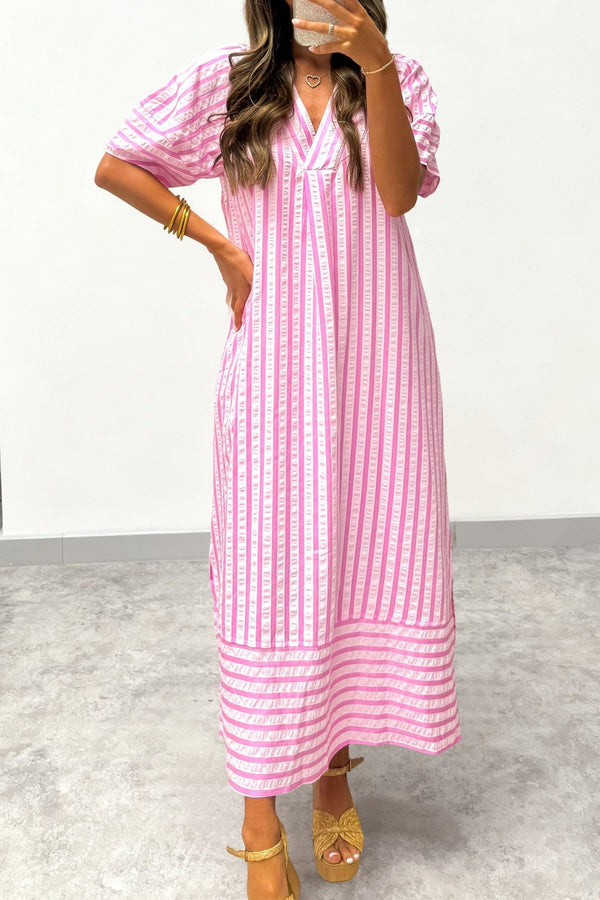

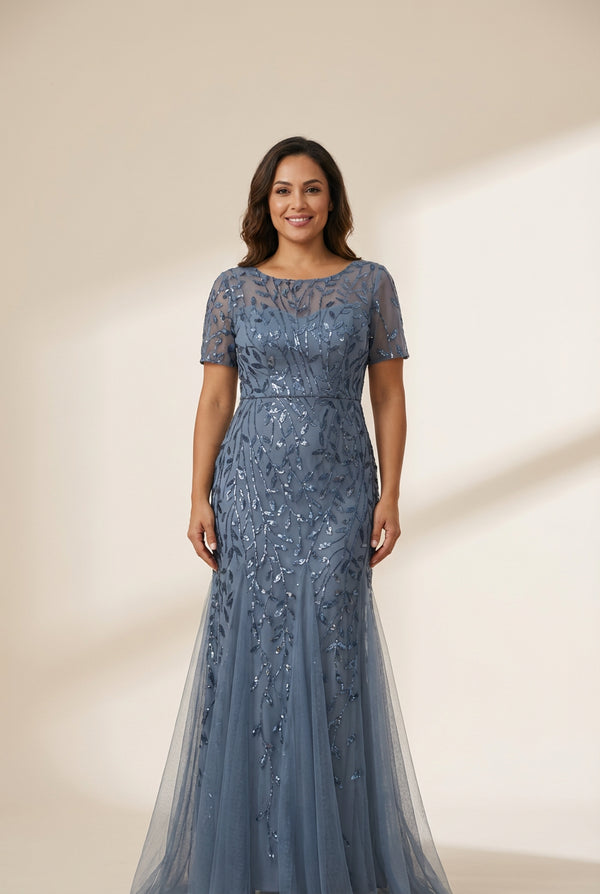


Yom Kippur Dress: A Reflection of Tradition and Style
Yom Kippur, the holiest day in the Jewish calendar, is a time for introspection, repentance, and spiritual renewal. As such, the dress code for this solemn occasion holds significant meaning, reflecting a balance between tradition and personal expression.
The significance of Yom Kippur and its dress code stem from the day's focus on spiritual elevation. The act of dressing modestly, in a way that fosters a sense of humility and reverence, is a tangible expression of the internal shift towards introspection. While not explicitly mandated in Jewish law, the practice of dressing modestly on Yom Kippur has become a cherished tradition, a way to honor the sacredness of the day and cultivate a spirit of humility.
Over time, Yom Kippur attire has evolved, reflecting changing societal norms and fashion trends. While the core principles of modesty and reverence remain constant, the interpretations and expressions of these ideals have shifted. In the past, Yom Kippur dress was often characterized by simple, dark clothing, emphasizing a sense of seriousness and solemnity. Today, while maintaining the essence of tradition, there is a greater emphasis on elegance and personal style.
A traditional Yom Kippur dress embodies a delicate balance of modesty, comfort, and elegance. The key elements include:
- **Modesty:** Clothing should cover the arms and legs, reflecting a commitment to modesty and respect for the sanctity of the day.
- **Comfort:** Yom Kippur is a day of fasting and prayer, often lasting for 25 hours. Choosing comfortable clothing is paramount, allowing for ease of movement and focus on spiritual reflection.
- **Elegance:** Despite the emphasis on modesty, Yom Kippur attire can be elegant and stylish. Subtle details like intricate embroidery, beautiful fabrics, and classic silhouettes can elevate the overall look, creating a sense of grace and refinement.
Popular styles and fabrics for Yom Kippur dress include:
- **Dresses:** Long, flowing dresses in solid colors or subtle prints are a classic choice. A-line dresses, empire waist styles, or maxi dresses are particularly popular.
- **Skirts:** Floor-length skirts paired with a modest top are another traditional option. Skirts in flowing fabrics like silk or chiffon offer both comfort and elegance.
- **Fabric choices:** Natural fabrics like linen, cotton, or silk are favored for their breathability and comfort. Velvets, brocades, and lace can add a touch of sophistication.
The Yom Kippur dress serves as a powerful symbol, allowing individuals to express their faith and values while embracing their own unique style. It is a tangible reminder of the day's significance, reminding us to approach the spiritual journey with humility, reverence, and a spirit of renewal.

Modern Interpretations of the Yom Kippur Dress
While tradition holds a strong place in shaping Yom Kippur attire, the modern era has seen a surge of creativity and innovation in how people approach their dress for this holy day. Contemporary designers are embracing the challenge of reimagining traditional Yom Kippur attire, weaving together modern trends with timeless elements. This blend of old and new manifests in a captivating array of styles and color palettes, pushing the boundaries of what a Yom Kippur dress can be.
Gone are the days of solely relying on classic, conservative designs. Designers are now incorporating modern silhouettes, textures, and embellishments, while staying true to the principles of modesty and comfort. Think flowing maxi dresses with intricate embroidery, elegant jumpsuits with delicate lace details, or even tailored pantsuits in rich, muted tones. These designs offer a fresh perspective on traditional Yom Kippur attire, allowing individuals to express their personal style while maintaining respect for the solemnity of the occasion.
The influence of fashion bloggers and social media on Yom Kippur dress trends is undeniable. These platforms provide a space for individuals to showcase their unique interpretations of the dress code, inspiring others and sparking conversations about how to navigate the delicate balance between tradition and personal expression. The rise of online retailers specializing in modest fashion has also played a significant role in expanding the options available to those seeking contemporary Yom Kippur attire.

The result is a vibrant and evolving landscape of Yom Kippur dress, where traditional elements like long sleeves and modest necklines are reinterpreted through modern lenses. We see a mix of rich jewel tones, earthy neutrals, and even pops of vibrant color, reflecting the diversity of styles and preferences within the Jewish community. This evolution not only allows for greater personal expression but also fosters a sense of inclusivity, welcoming individuals from all walks of life to participate in the tradition of Yom Kippur dress in a way that resonates with their own sense of style.
The Yom Kippur Dress as a Symbol of Identity and Expression
The Yom Kippur dress, a garment worn during the holiest day of the Jewish year, transcends its practical function as a symbol of modesty and respect for tradition. It becomes a canvas for individual expression, a reflection of personal faith and values, and a tangible link to a shared cultural heritage. The dress code, while rooted in religious observance, allows for a diverse range of interpretations, highlighting the unique ways in which individuals connect with their faith and express their personal style.
For many, the Yom Kippur dress serves as a tangible embodiment of their commitment to their faith. The act of choosing and wearing a specific outfit for this sacred occasion is a conscious decision to align oneself with the solemnity and introspection of the day. The dress itself becomes a symbol of their personal journey of faith, reflecting their evolving understanding of their beliefs and their desire to honor the spiritual significance of Yom Kippur.

Within the Jewish community, there is a rich tapestry of interpretations regarding the dress code. While some adhere to strict traditional guidelines, others embrace a more contemporary approach, incorporating modern trends while remaining respectful of the tenets of modesty and solemnity. This diversity reflects the vibrant and dynamic nature of Jewish culture, where individuals find their own ways to express their faith and connect with tradition.
The Yom Kippur dress plays a vital role in fostering a sense of community and shared identity. Seeing others dressed in a similar manner, whether in traditional or modern interpretations, creates a visual reminder of the shared experience of the holiday, strengthening the bonds of collective observance. The dress becomes a unifying element, transcending differences in background, style, or personal interpretation, bringing individuals together in a shared commitment to the spiritual significance of Yom Kippur.
The importance of respecting religious traditions while embracing personal style is paramount. The Yom Kippur dress provides an opportunity to celebrate individual expression within the framework of faith. Whether it's a classic black dress with elegant embellishments or a modern interpretation featuring contemporary cuts and fabrics, the choice reflects the wearer's unique style and personal connection to the holiday. This delicate balance between tradition and personal expression reinforces the idea that faith is not a rigid structure but a living, evolving journey, where individual expression plays a crucial role.
The Yom Kippur dress, therefore, is more than just a garment. It is a symbol of identity, a reflection of personal faith, and a tangible reminder of the shared heritage of the Jewish community. It embodies the delicate balance between tradition and personal expression, allowing individuals to connect with their faith in a way that feels authentic and meaningful.