
 MsDressly
 MsDressly
What to Wear to a Theme Park: Women's Outfit Guide (2026)
Outfit guidance first — then one shoppable MsDressly piece with price and sizes below.
One in-stock pick to shop now
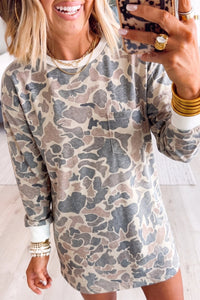
Shop Evening & Cocktail Dresses
Updated October 2026 by the MsDressly editorial team.
Shop the styles
-

Women's Elastic Waist Yoga Shorts - Comfortable Fitness and Leisure Wear — $39.99 -

Women's Leopard Print Moto Jacket in Jackets for polished occasion-to-casual wear — $119.99 -

Women's Pink Denim Jacket in Denim jackets for polished occasion-to-casual wear — $119.99 -

Women's Black Toggle Coat with Hood in Coats for polished occasion-to-casual wear — $119.99 -

Women's Warm Winter Jacket in Jackets for polished occasion-to-casual wear — $119.99 -

Women's Relaxed Fit Blue Floral Print Blouse - Stylish Short Sleeve Summer Top for Casual Outings and Everyday Wear — $39.99 -

Women's Cozy Blackish Green Merry Letter High Neck Sweater - Stylish Fit for Casual Outings and Everyday Wear made for easy styling and wardrobe — $119.99 -

cozy women's black waffle knit raglan sweatshirt - trendy patchwork design for casual outings and everyday wear made for easy styling and wardrobe — $69.99
Is There a Theme Park Dress Code?
Most major theme parks have a dress code, but it's far more relaxed than people expect. The general rule is "family-friendly and practical": shirts and footwear are required, and clothing with offensive graphics, excessively revealing cuts, or costumes that could be mistaken for staff uniforms are usually discouraged for adults.
The practical side matters more than the policy side. You'll walk 5–10 miles, queue in sun or drizzle, sit on hard ride seats, and eat food on the go. So the real "dress code" is whatever lets you do all of that for 10+ hours without thinking about your outfit. Anything you'd happily wear on a long travel day is a strong choice.
Best Silhouettes for a Theme Park Day
Certain outfit formulas consistently work better than others. These five silhouettes balance comfort, mobility, and photos alike:
- Graphic tee or relaxed blouse + biker shorts. Short, stretchy, and secure — no fabric to catch on ride restraints. A pair of elastic waist shorts handles walking, climbing, and sitting with zero fuss.
- Breathable top + denim or utility shorts. Classic for a reason. Pockets are gold for tickets, lip balm, and your phone.
- Matching athleisure set. Coordinated, photogenic, and made for movement. A t-shirt dress over bike shorts is a close cousin.
- Flowy midi skirt + fitted tank. Yes, you can wear a skirt — a flowy one can be tricky on coasters, so a relaxed short-sleeve top tucked into a midi or skort is the safer, cuter option.
- Joggers + cropped tee. Ideal for cooler months and evening park visits when temperatures drop fast.
Colors and Fabrics That Work
Lean into performance-minded fabrics and a forgiving color palette:
- Fabrics: cotton blends, moisture-wicking knits, linen for summer, and fleece or waffle knit for layering. Avoid 100% linen in humidity (it wrinkles badly by hour two) and stiff raw denim.
- Colors: mid-tones and prints hide sweat, churro dust, and splash-zone water marks far better than white or pale pastels. Bright colors photograph well against castle and coaster backdrops.
- Avoid: all-white outfits, delicate silks, anything with long dangly straps, and garments with metal hardware that can get hot in the sun or trigger metal detectors at ride entrances.
Season and Venue Variations
Theme park dressing is mostly a weather problem:
- Hot summer days: light layers, a hat or visor, and a small handheld fan. Bring a spare top — sweat happens.
- Cold or shoulder season: layers you can shed. A warm winter jacket or a hooded toggle coat works for chilly mornings, while a denim jacket is the perfect in-between layer for milder days.
- Water parks: swim-ready outfits, quick-dry fabrics, and sandals with ankle straps.
- Big destination parks vs. local fairs: destination parks mean longer days and more walking, so comfort wins outright. Local parks allow more room for style experiments.
Styling: Shoes, Bags, and Accessories
Shoes are the single most important decision. Broken-in sneakers or supportive walking sandals only — never new shoes, never heels, never flip-flops you'll regret by mile six.
For bags, a small crossbody or belt bag beats a tote: hands-free for rides, zippable for security. Keep jewelry minimal — stud earrings and a watch survive restraints better than long necklaces or bangles. Sunglasses with a strap and a scrunchie are underrated heroes. Skip the umbrella if you can; a packable rain poncho is lighter and rides-friendly.
Common Mistakes to Avoid
- Wearing anything brand new. Untested shoes and stiff denim cause real problems by midday.
- Over-accessorizing. Scarves, wide-brim hats, and loose jewelry either come off for rides or get lost on them.
- Ignoring the forecast. Temperatures drop hard after sunset in most parks — a light layer is non-negotiable.
- Tiny impractical bags. You need room for sunscreen, water, snacks, and a phone battery.
- Dressing purely for photos. The best park outfit looks good and survives a 90-minute queue in full sun.
Shopping Guidance: Building Your Park-Day Capsule
Aim for a small, mixable capsule: one or two breathable tops, one pair of stretch shorts, comfortable bottoms, and a layering piece for each season. A cozy waffle knit sweatshirt handles cool evenings, and everything here works just as well back home for errands and casual weekends.
When you're ready to buy, note that MsDressly offers free shipping when buying 2 or more items, or on orders over US$80 — handy when you're assembling a full outfit rather than a single piece.
Shop by category
Guides:Seasonal Capsule Wardrobe Systems: A MsDressly Guide · Budget Friendly Seasonal Wardrobe Planning: A MsDressly Guide


