 MsDressly
 MsDressly
What Is The Difference Between Formal And Semi Formal Dresses
Shop What Is The Difference Between Formal And Semi Formal Dresses



Navigating the Dress Code: Formal vs. Semi-Formal
The world of fashion is full of nuanced dress codes, and deciphering the difference between formal and semi-formal can be a challenge. While both dress codes call for a polished and sophisticated look, there are subtle distinctions that can make all the difference in feeling confident and appropriately dressed for the occasion.
Formal Attire: The Pinnacle of Elegance
Formal attire is reserved for the most prestigious events, where elegance and sophistication reign supreme. Think black-tie galas, grand weddings, award ceremonies, and other high-profile gatherings where a touch of grandeur is expected.
- Occasion: Black-tie events, weddings, galas, award ceremonies, and other high-profile gatherings.
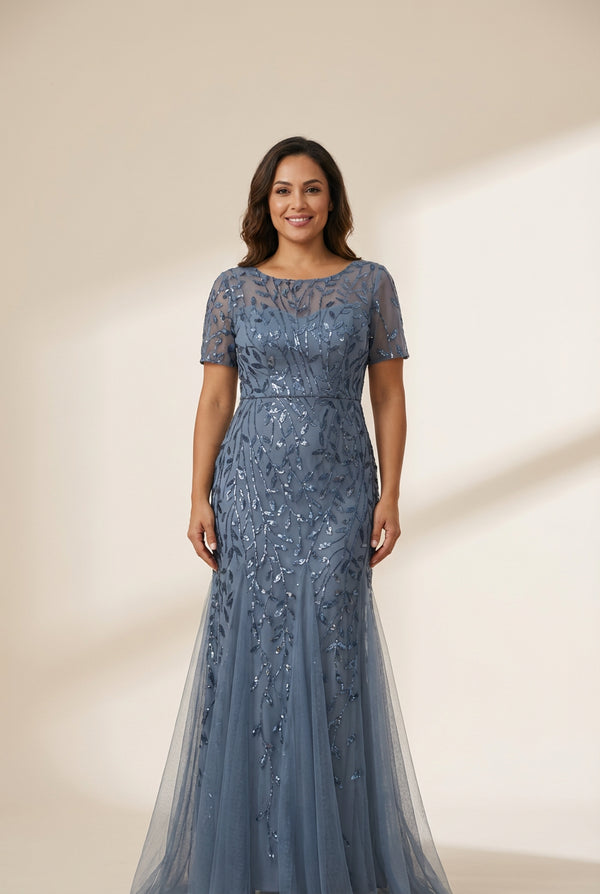
- Dress Code: For women, formal attire dictates long gowns or floor-length dresses, often featuring intricate details like beading, sequins, or lace. Men typically opt for a tuxedo or a classic suit with a tie and a vest.
- Fabric: Luxurious materials like silk, satin, velvet, lace, and brocade are the hallmarks of formal attire. These fabrics drape beautifully, creating a sense of opulence and refinement.
- Silhouette: Formal attire is characterized by its elegant and sophisticated silhouettes. Fitted bodices, flowing skirts, and intricate detailing are common elements that emphasize the graceful lines of the wearer.
- Colors: Classic choices for formal attire include black, navy, white, silver, and gold. These colors exude timeless elegance and sophistication, making them perfect for any formal occasion.
- Accessories: Formal attire demands statement jewelry, such as diamond earrings, necklaces, or bracelets. Evening clutches, high heels, and formal hairstyles complete the ensemble, adding a touch of glamour and refinement.
Formal attire is a statement of elegance and sophistication, signaling a commitment to the occasion and its significance. It's a dress code that demands attention to detail and a dedication to creating a memorable and refined appearance. 
What is the Difference Between Formal and Semi-Formal Dresses?
Navigating the world of dress codes can be a bit of a fashion puzzle, especially when it comes to deciphering the nuances between formal and semi-formal attire. While both categories call for a step up from everyday wear, they differ significantly in their level of formality, dress length, fabric choices, and overall aesthetic. Let's break down the key differences to help you confidently dress for any occasion.
Semi-Formal Attire: A Versatile Choice for Stylish Gatherings
Semi-formal attire offers a happy medium between the strict elegance of formal wear and the casual ease of everyday outfits. It's the perfect choice for a wide range of events that call for a polished yet comfortable look.
- Occasion: Think cocktail parties, corporate events, holiday parties, and other social gatherings. These events are typically less formal than black-tie affairs but still require a degree of sophistication.
- Dress Code: Women have a range of options, including cocktail dresses, knee-length dresses, dressy jumpsuits, or dressy pantsuits. Men can opt for suits or dress shirts paired with dress pants.
- Fabric: Semi-formal attire allows for a more versatile fabric selection, incorporating chiffon, silk blends, velvet, and heavier cottons. These materials offer a range of textures and drape beautifully, creating a stylish and polished look without feeling overly formal.
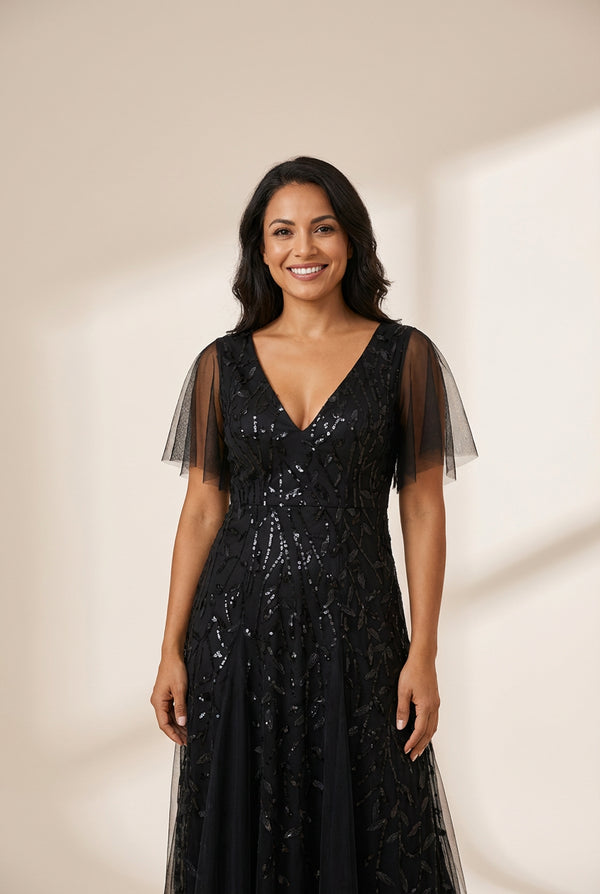
- Silhouette: Semi-formal dresses embrace a wide spectrum of styles, from fitted silhouettes that accentuate the figure to flowing designs that create a more relaxed and romantic feel. Necklines can vary from demure to daring, and lengths can range from just above the knee to the floor.
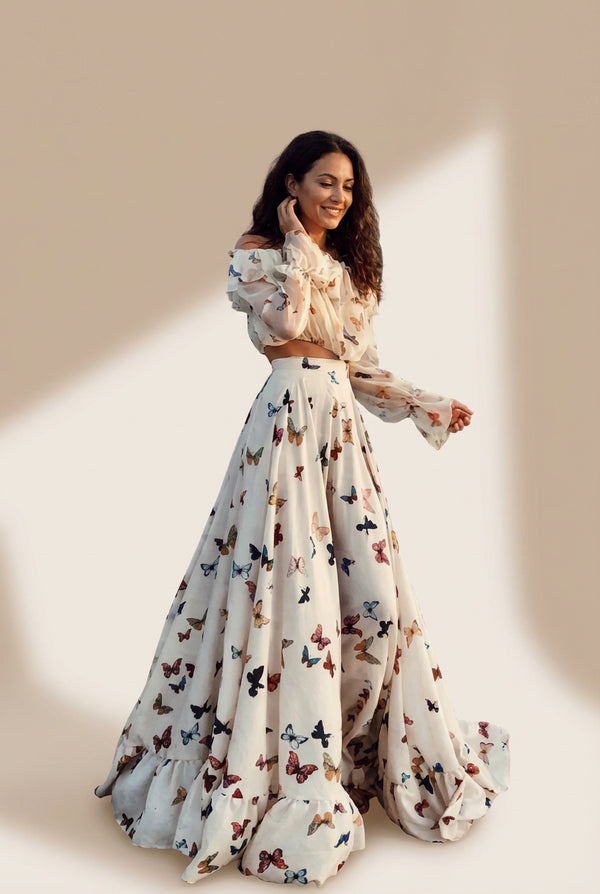
- Colors: Semi-formal attire welcomes a wider array of colors, including pastels, jewel tones, and bolder patterns. This allows for greater individuality and personal expression.
- Accessories: While statement jewelry is still appropriate, semi-formal events tend to favor less formal pieces. Smaller clutches, heels or flats, and more relaxed hairstyles are all acceptable choices.
Semi-formal attire offers a versatile and stylish choice for a variety of social gatherings. It allows you to express your personal style while still adhering to the event's dress code, making it a popular choice for many occasions. 
Deciphering the Dress Code: Formal vs. Semi-Formal
Navigating the world of dress codes can be a perplexing task, especially when it comes to the fine line between formal and semi-formal attire. While both dress codes demand a level of sophistication, there are distinct differences that can make or break your outfit choice.
Key Differences
The key to understanding the distinction lies in the level of formality. Formal attire reigns supreme in elegance, while semi-formal offers a more relaxed yet still stylish approach. Here's a breakdown:
- Level of Formality: Formal attire is the pinnacle of dress code formality, while semi-formal occupies the middle ground between formal and casual.
- Dress Length: Formal occasions typically demand floor-length gowns for women, signifying a level of grandeur. Semi-formal, on the other hand, allows for a wider range of lengths, including knee-length dresses, offering a more versatile and comfortable option.
- Fabric and Design: Formal attire prioritizes luxurious fabrics like silk, satin, velvet, and lace, often adorned with intricate embellishments and intricate designs. Semi-formal embraces a broader range of materials, including chiffon, silk blends, and heavier cottons, allowing for a more playful and contemporary aesthetic.
- Accessories: Formal events demand statement jewelry, evening clutches, and high heels, creating a dramatic and polished look. Semi-formal allows for more understated accessories, including smaller clutches, heels or flats, and less elaborate jewelry, offering a more relaxed yet stylish approach.
- Overall Appearance: Formal attire emphasizes elegance and sophistication, creating an air of refined formality. Semi-formal aims for a more polished and stylish look, allowing for a touch of personality and individual expression.
By understanding these key differences, you can confidently navigate the world of dress codes and make informed choices that align with the occasion's formality level.