
 MsDressly
 MsDressly
What Do You Call Clothes That Show a Lot of Skin? Revealing Clothing, Defined
This is not What Do You Call Clothes That Show a Lot of Skin? Revealing, Defined. MsDressly sells our own women's fashion. Below are in-stock pieces in a similar style, with price and sizes.
Shop Dresses

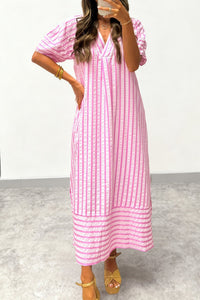
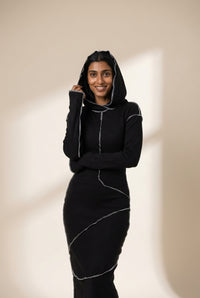
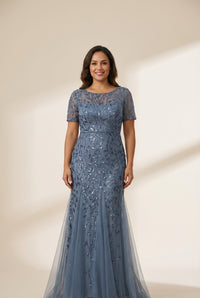
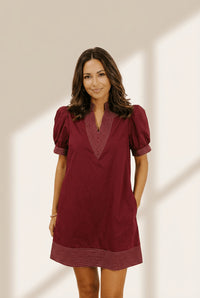
Updated October 2026 by the MsDressly editorial team.
Shop the styles
-

Women's Jesus Loves You Graphic Tee in Premium White Cotton-Blend — $39.99 -

Women's Stylish Peach Blossom Leopard Print No-Show Socks - Comfortable, Sweat-Absorbing Everyday Footwear — $119.99 -

Women's Relaxed Fit Rose Red Striped Graphic Tee - "Margaritas Made Me Do It" Summer Beach Vacation Top — $29.99
What revealing clothing looks like
Revealing clothing refers to any garment where the cut, fabric, or construction deliberately exposes more of the body than a standard silhouette. The most common visual identifiers are shortened hemlines, open backs, exposed midriffs, low-cut necklines, bare shoulders, and panels of sheer or mesh fabric that show skin underneath.
There is no single silhouette. A revealing piece can be fitted, like a bodycon mini dress, or loose, like a drapey blouse with a deep V or an open back. What unites the category is exposure: the garment is designed so that skin — at the torso, legs, back, chest, or shoulders — is part of the look itself.
How the term is used today
Because there is no single formal name for this category, shoppers and stylists use a small vocabulary of near-synonyms depending on tone. Revealing is the neutral, editorial term. Skimpy suggests minimal fabric and is often used for swimwear, clubwear, and going-out outfits. Skin-baring and daring are common in fashion writing, while barely-there usually describes sheer or strappy pieces.
Retail sites tend to avoid the word "revealing" in product names. Instead, they describe the specific feature — cutout, backless, deep-V, sheer, mini, or cropped — which is why searching by feature usually finds more options than searching the umbrella term.
Common types of skin-baring garments
- Crop tops — tops cut above the waist that expose the midriff.
- Cutout dresses and tops — solid garments with deliberately missing panels at the waist, back, or neckline.
- Sheer and mesh pieces — see-through blouses, dresses, and cover-ups worn over bras, bodysuits, or slips.
- Backless and low-back styles — tops and dresses open from the shoulders or neckline to the waist or lower.
- Plunging necklines — deep V-necks that extend well below the collarbone.
- Mini lengths and high slits — hemlines high on the thigh, or longer skirts split to expose the leg.
- Strappy and string styles — tops and dresses held together by thin ties rather than full fabric panels.
How revealing clothing differs from fitted clothing
The closest confusable term is fitted or bodycon clothing, and the distinction matters. Fitted clothing follows the body's shape through tight construction, but it can still cover every inch of skin — a long-sleeve turtleneck bodycon dress is fitted, not revealing.
Revealing clothing is defined by exposure, not tightness. A loose sheer blouse is revealing because you can see through it; a snug mock-neck maxi dress is not. Many garments are both — a bodycon mini dress is fitted and revealing — but the two words describe different things and searching them separately returns different results.
Related styles and near-synonyms
Adjacent terms that overlap but are not identical include:
- Braless or open-back design — revealing through neckline or back construction rather than length.
- High-low hem — a dress cut short in front and long in back that shows the legs while keeping fuller coverage elsewhere (sometimes called a short-front, long-back dress).
- Cold-shoulder and off-shoulder — mildly revealing, limited to the shoulders and collarbone.
- Lingerie-as-outerwear — bodysuits, bralettes, and slip dresses styled as visible daywear rather than undergarments.
Fabrics and construction
Revealing garments rely on construction tricks to stay wearable. Sheer styles use mesh, chiffon, organza, or lace — fabrics that read as clothing but transmit skin underneath. Cutout pieces depend on structured seams and stable knits so the edges of the opening hold their shape instead of gaping or curling.
Strappy and backless styles often swap traditional support for elasticated bands, tie closures, and built-in bra cups or lining panels. When shopping, check whether a sheer piece is lined where it counts, and whether cutout edges are finished — a clean bound or hemmed edge wears far better than raw-cut fabric.
How to wear revealing pieces
The simplest styling rule is balance: pair a revealing element with a more covered one. A crop top with high-waisted trousers, a plunging neckline with a longer hem, or a backless dress with sleeves keeps the look intentional. A casual layer like a relaxed-fit graphic tee knotted at the waist or an open shirt worn over a bralette is an easy way to dial exposure up or down.
For sheer pieces, the layer underneath defines the look — a matching bra and brief reads bold, a bodysuit or slip reads polished. Backless and strapless styles pair best with adhesive or low-back undergarments, and fashion tape is the standard fix for plunging necklines that move.
Occasions where revealing clothing works
Revealing pieces are context-dependent. Beach vacations, festivals, club nights, and warm-weather date nights are their natural home — a cutout sundress or a sheer cover-up over a swimsuit is practically expected at the pool or resort. Even athletic contexts have their own version: breathable cropped tanks and open-back tops in the Activewear Collection show skin in service of cooling and range of motion.
More conservative settings call for the layering approach — a sheer blouse over a camisole can be office-appropriate where the same blouse over a bra is not. Reading the room, then using layers to adjust, is more reliable than any fixed rule.
How to shop for revealing clothing
Because retailers tag garments by feature rather than the umbrella term, search for the specific reveal: "cutout dress," "backless top," "sheer blouse," or "crop top" will surface more than "revealing clothing." On product pages, check fabric descriptions for words like mesh, semi-sheer, or unlined to gauge how see-through a piece really is, and look at photos of the back — many "backless" claims are deeper than the front view suggests.
Fit matters more in revealing clothing than almost any other category, since there is less fabric to hide a wrong size. Browse the Picked for you
Related collections
Shop by category
Guides:Seasonal Capsule Wardrobe Systems: A MsDressly Guide · Budget Friendly Seasonal Wardrobe Planning: A MsDressly Guide


