 MsDressly
 MsDressly
Tradwife Dresses
Shop Tradwife Dresses
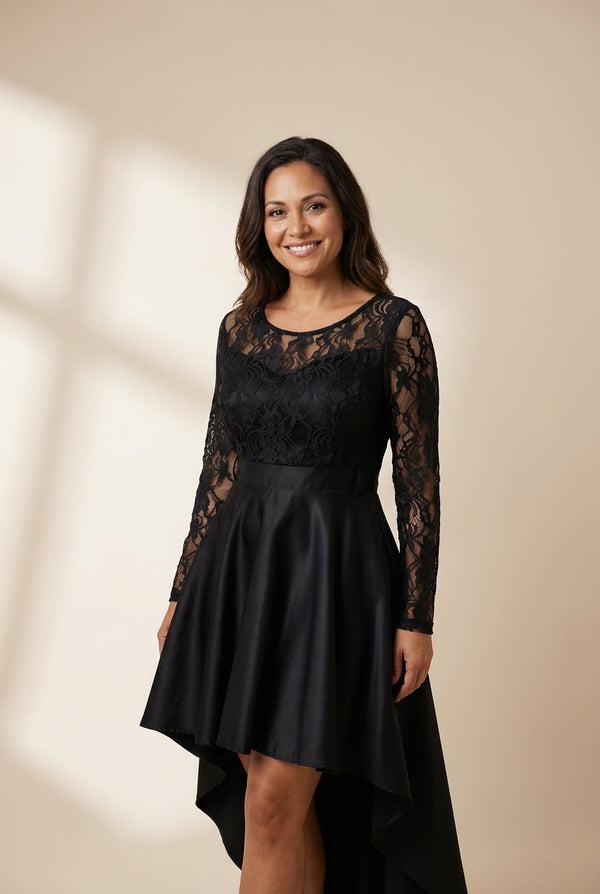
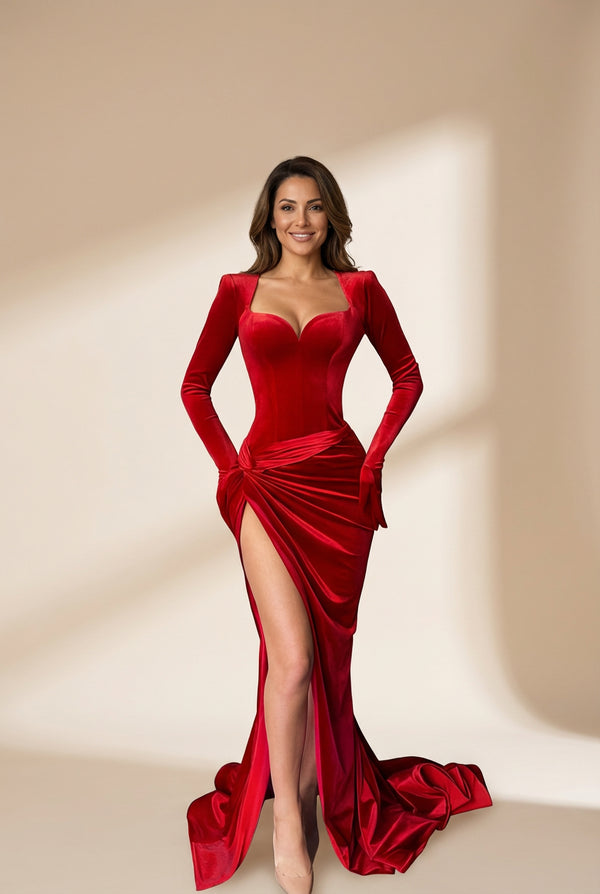
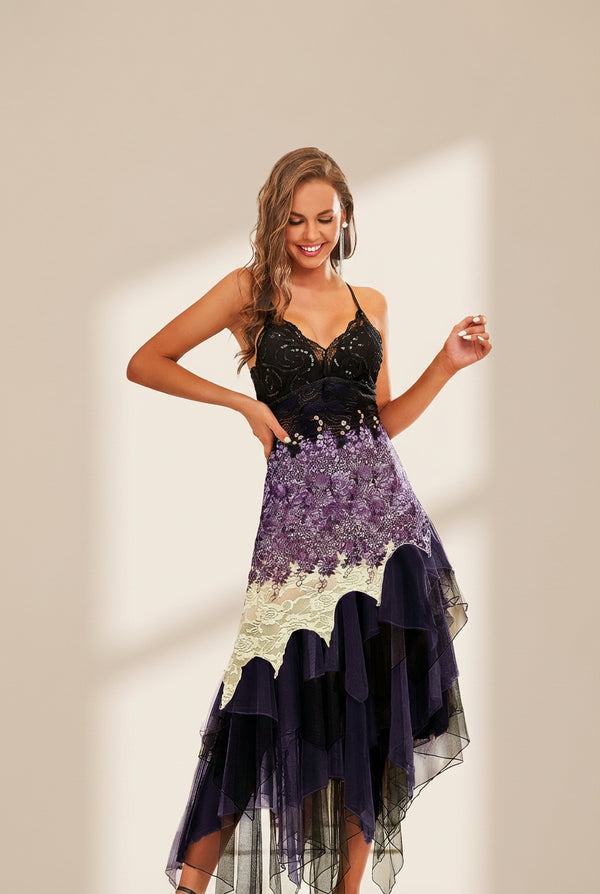
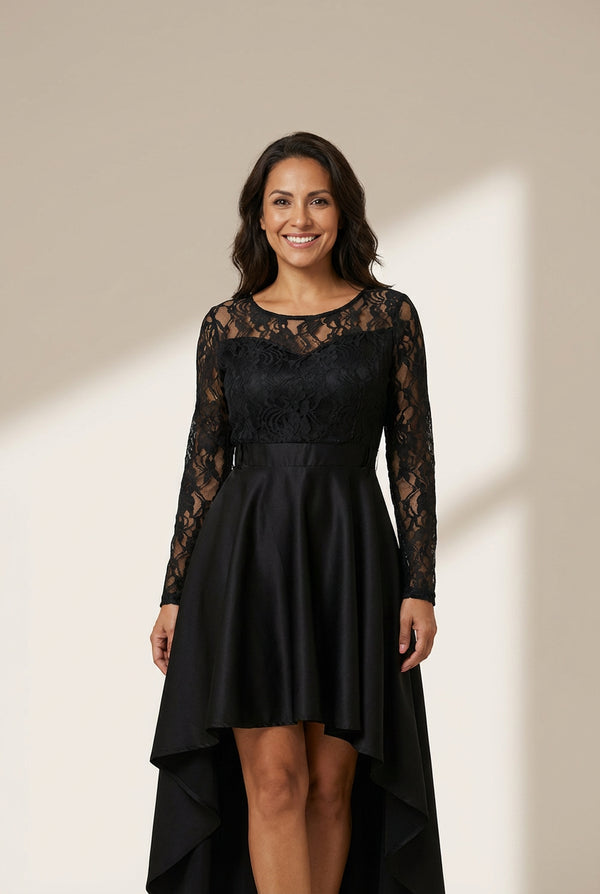


The Rise of the Tradwife Aesthetic
The term "tradwife," a portmanteau of "traditional" and "wife," has emerged in recent years to describe a lifestyle and aesthetic that embraces traditional gender roles and domesticity. This trend, which has gained significant traction among young women, particularly online, centers around a romanticized vision of the 1950s housewife. Tradwives often express a desire to prioritize homemaking, family, and traditional values over career ambitions and modern feminist ideals. This aesthetic is more than just a fashion choice; it embodies a philosophy of living.

The tradwife aesthetic is characterized by its emphasis on modesty, femininity, and vintage-inspired styles. Modest clothing, often with longer lengths and higher necklines, is a defining feature, reflecting a desire for a more conservative and refined look. Feminine silhouettes, like A-line skirts and cinched waists, are favored, creating a sense of elegance and grace. Vintage-inspired styles, particularly from the 1940s and 50s, are popular, drawing inspiration from the era's fashion icons and capturing a sense of nostalgia.
Tradwife Dresses: A Symbol of Modesty and Femininity
Tradwife fashion is more than just a trend; it's a statement. The dresses, in particular, encapsulate the aesthetic's core values of modesty, femininity, and a connection to a bygone era. These garments are not simply items of clothing; they're tangible expressions of a lifestyle choice.

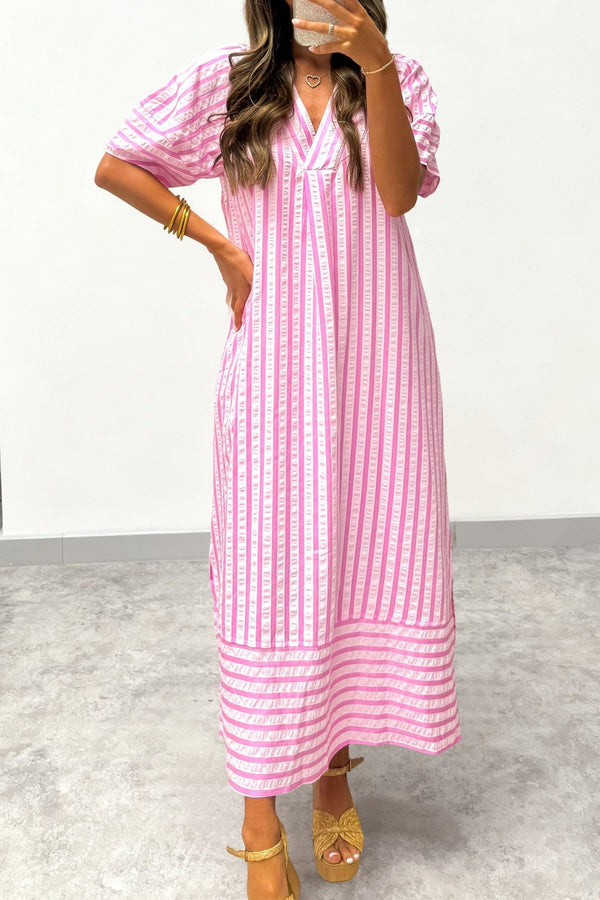
Tradwife dresses are characterized by their **long lengths**, often reaching the ankles or even the floor. They feature **modest necklines**, typically high and often adorned with delicate lace or frills. **Floral prints** are a popular choice, adding a touch of whimsy and romance. The **A-line silhouette** is another defining feature, creating a flowing, feminine form.
Within this framework, several popular styles emerge. **Prairie dresses**, with their simple, gathered skirts and high necklines, evoke a sense of rural charm and innocence. **Vintage tea dresses**, reminiscent of the 1950s and 1960s, exude a classic femininity with their fitted waists and full skirts. **Victorian-inspired gowns**, with their elaborate lace detailing and long sleeves, offer a more dramatic and romantic take on the tradwife aesthetic.
The choice of fabric is also significant. Tradwife dresses are often made from **natural materials like cotton and linen**, known for their breathability and comfort. These fabrics are often chosen in **soft pastels or muted tones**, reflecting a sense of gentleness and refinement. The focus on natural materials and muted colors further reinforces the connection to a simpler, more traditional way of life.

Tradwife dresses are not just about fashion; they are about expressing a specific set of values. They are a visible representation of a lifestyle that prioritizes modesty, femininity, and a connection to traditional values. They are a reminder of a time when women were valued for their domestic skills and their nurturing nature, and they offer a modern interpretation of these ideals for those who choose to embrace them.
Beyond the Dress: The Tradwife Lifestyle
The tradwife aesthetic isn't merely about a particular style of dress; it's a reflection of a broader lifestyle that embraces traditional values, particularly those surrounding family and domesticity. The tradwife movement champions a return to a more traditional way of life, emphasizing the importance of homemaking, nurturing, and creating a warm and welcoming space for family. This focus on creating a loving and supportive home environment is deeply intertwined with the aesthetic choices made by tradwifes.
While the tradwife aesthetic is often associated with modest clothing and feminine silhouettes, it's more than just a fashion statement. It's a deliberate choice to express a set of values that prioritize family, community, and traditional gender roles. The act of cooking a wholesome meal, tending to a garden, or creating a cozy home environment are seen as acts of love and devotion, and these values are often reflected in the tradwife's choice of clothing. The dresses, with their long lengths, modest necklines, and soft fabrics, serve as a visual symbol of this commitment to a traditional lifestyle.
By embracing a more traditional approach to fashion, tradwifes are actively choosing to express their values and create a visual representation of their lifestyle. The clothes they wear are not just garments; they are a tangible manifestation of their beliefs and aspirations. This deliberate choice to express their values through fashion is a powerful statement that goes beyond the mere aesthetics of the clothing itself. It's a way of reclaiming traditional values and celebrating the beauty and importance of a lifestyle that prioritizes family and home.