
 MsDressly
 MsDressly
Stage Outfits For Female Singers
Shop Stage Outfits For Female Singers
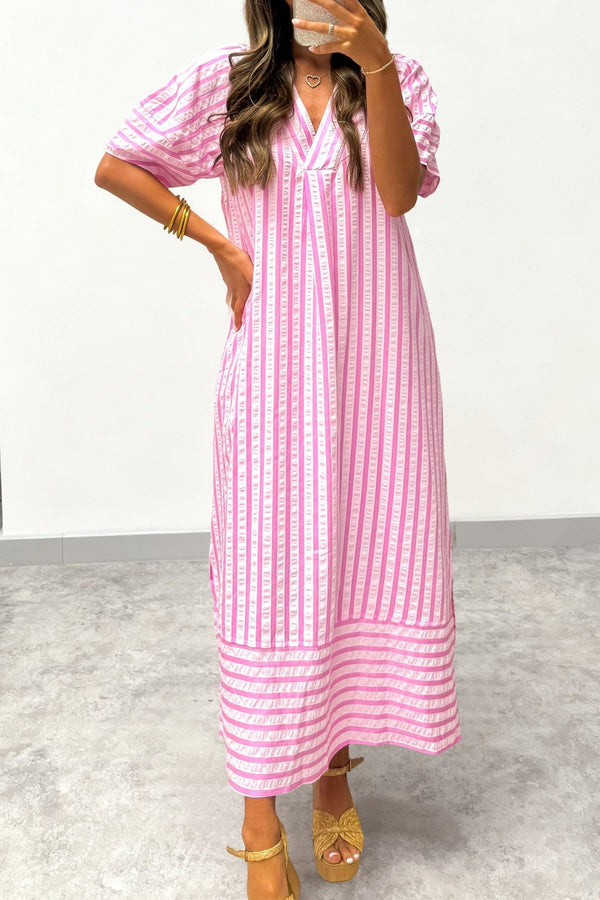
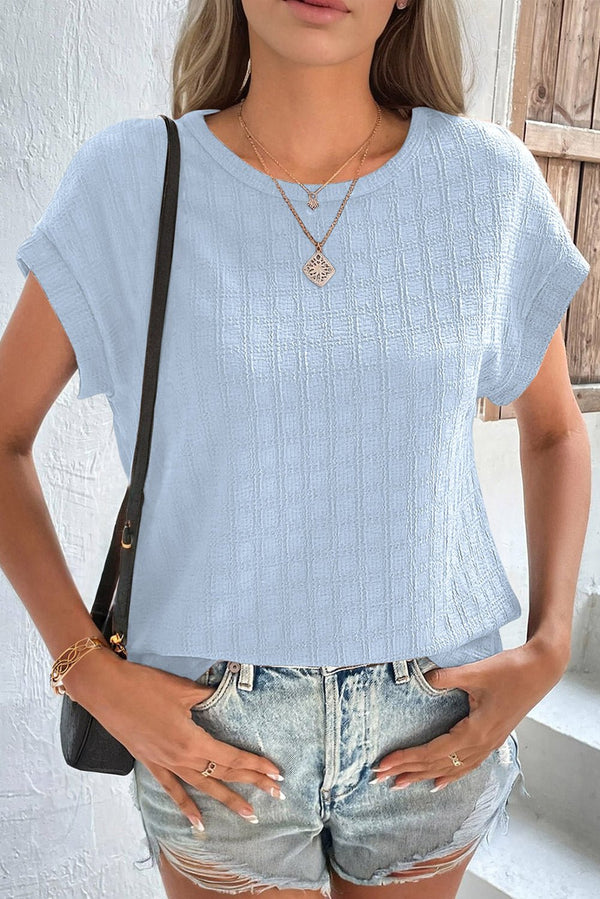
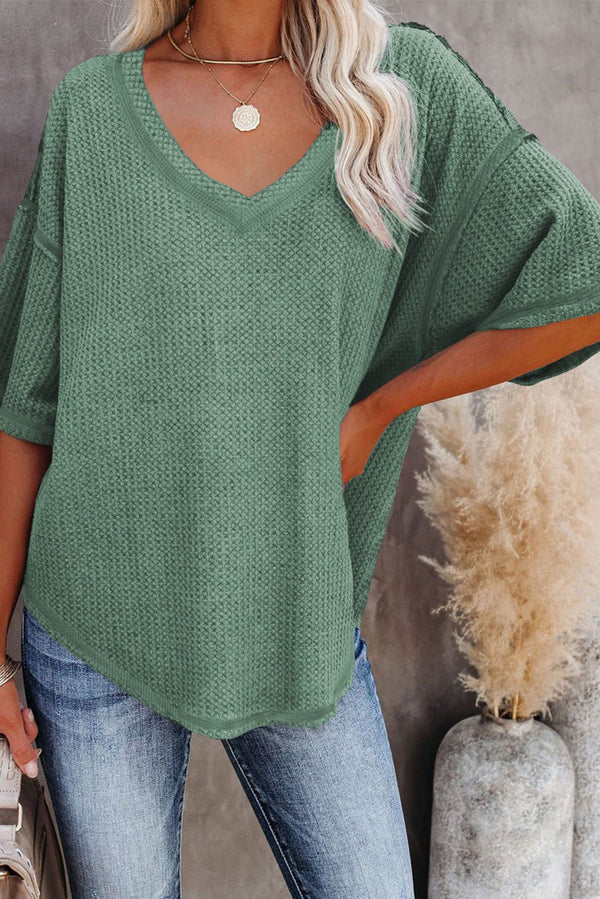


Stage Outfits for Female Singers: A Reflection of Empowerment and Style
The stage is a canvas, and for female singers, their outfits are the brushstrokes. More than just garments, stage outfits have evolved into powerful symbols of empowerment, artistry, and self-expression. From the glamorous gowns of the golden age to the edgy streetwear of today, female singers have used their attire to amplify their voices, connect with their audiences, and redefine notions of femininity.
The significance of stage outfits lies in their ability to visually enhance a singer's performance. A well-chosen outfit can amplify the message of a song, evoke specific emotions, and create a memorable visual experience for the audience. Whether it's the soaring power of a ballad or the infectious energy of a pop anthem, the right outfit can seamlessly complement the music, creating a harmonious synergy between sound and sight.
Female singers have embraced an incredibly diverse range of styles on stage, reflecting their unique personalities and artistic visions. From the classic elegance of a flowing gown to the bold statement of a tailored pantsuit, the options are endless. Some singers opt for glamorous, show-stopping ensembles, while others prefer more understated, edgy looks. The diversity of styles allows each singer to find their own signature aesthetic, one that resonates with their music and resonates with their audience.

Key Trends and Influences
Stage outfits for female singers are not simply garments; they are canvases for artistic expression, reflections of cultural shifts, and powerful statements of individuality. The artistry behind these looks is a collaboration of influences, drawing inspiration from the ever-evolving world of pop culture and fashion, the expertise of designers and stylists, and the singers' own unique visions.
The impact of pop culture and fashion trends:
The stage has always been a platform for showcasing the latest trends, and female singers are often at the forefront of this movement. From the iconic power suits of the 80s, popularized by figures like Madonna and Grace Jones, to the sleek minimalism of the 90s championed by the likes of TLC and Alanis Morissette, stage outfits have mirrored and often dictated the fashion landscape. Today, we see a vibrant fusion of styles, with singers drawing inspiration from street style, haute couture, and even vintage aesthetics. The rise of social media has also played a significant role, amplifying the impact of fashion trends and making singers' stage outfits instantly accessible to a global audience.
The role of designers and stylists:
Collaborations with renowned fashion houses and individual stylists are crucial in shaping a singer's visual identity. Designers like Jean Paul Gaultier, Versace, and Alexander McQueen have created iconic stage outfits that have become synonymous with specific singers, while stylists like B. Akerlund and Lori Goldstein have curated distinct and cohesive looks for their clients, ensuring their style aligns with their music and persona. These collaborations often result in custom-made creations that push the boundaries of fashion and offer a unique blend of artistry and functionality, allowing singers to move freely and confidently on stage.
Embracing personal style:
Ultimately, the most impactful stage outfits are those that authentically reflect the singer's personality and artistic vision. Whether it's the unapologetic femininity of Beyoncé, the playful experimentation of Lady Gaga, or the edgy rebellion of Billie Eilish, these singers use their stage outfits to express their unique identities and connect with their audiences on a deeper level. They are not afraid to experiment with different silhouettes, textures, and colors, using their outfits to tell a story, amplify their message, and create a memorable visual experience. This personal touch is what makes stage outfits so compelling, transforming them from mere garments into powerful tools of self-expression.

The Evolution of Female Singers' Stage Outfits
The stage is a canvas for female singers to not only showcase their vocal prowess but also to express their artistic identities through fashion. From the glamorous gowns of the golden age to the boundary-pushing ensembles of contemporary artists, stage outfits have evolved alongside the changing landscape of music and society.
Historical Perspectives:
Tracing the evolution of stage outfits reveals a fascinating narrative. In the golden age of music, female singers embraced elegance and femininity, often adorned in flowing gowns, elaborate headpieces, and sparkling jewelry. Icons like Ella Fitzgerald and Billie Holiday exuded sophistication and glamour, their attire reflecting the prevailing social norms of the time. As the music scene transitioned into the rock and roll era, a shift occurred. Singers like Janis Joplin and Grace Slick adopted a more rebellious and androgynous aesthetic, challenging conventional notions of femininity through their use of leather, denim, and bold makeup.
The Influence of Feminist Movements:
The rise of feminist movements in the 1960s and 70s had a profound impact on the way female singers presented themselves on stage. Artists like Joan Jett, Patti Smith, and Madonna embraced a sense of empowerment and defiance through their attire. They challenged traditional notions of beauty and sexuality, opting for clothing that was both comfortable and empowering. This shift towards a more liberated approach to fashion paved the way for future generations of female singers to express themselves freely and authentically.
The Future of Stage Outfits:
Looking ahead, the future of female singers' stage outfits is likely to be driven by continued innovation and a desire for self-expression. We can expect to see an even greater emphasis on inclusivity and diversity, with singers embracing a wide range of styles and aesthetics. The rise of sustainable fashion and a growing awareness of environmental issues will likely influence the choice of materials and production methods. Technology will also play a significant role, with interactive elements and innovative designs pushing the boundaries of what is possible on stage. Ultimately, the future of stage outfits for female singers will be shaped by their individual voices and their unwavering commitment to expressing their unique artistic visions.


