
 MsDressly
 MsDressly
Online Shopping For Women
Shop Online Shopping For Women
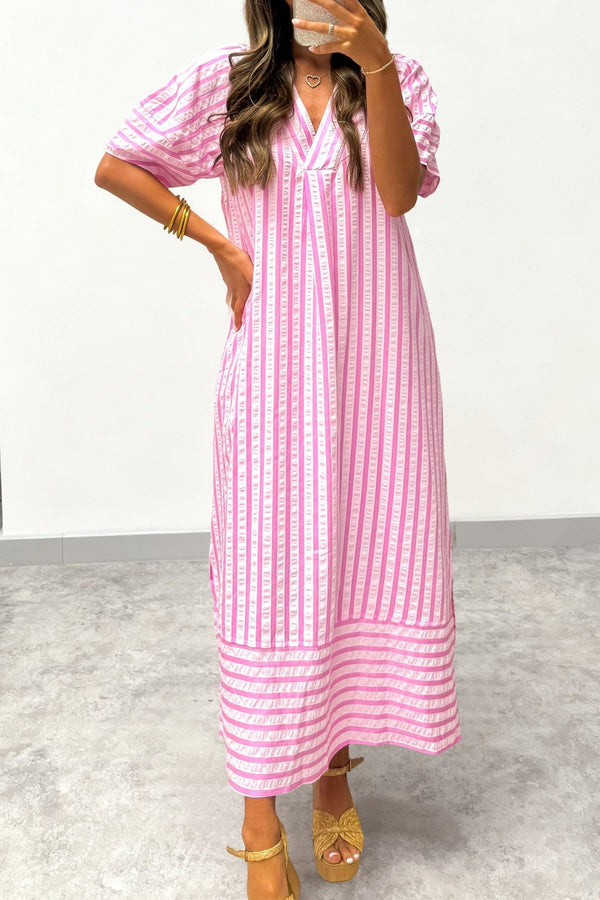
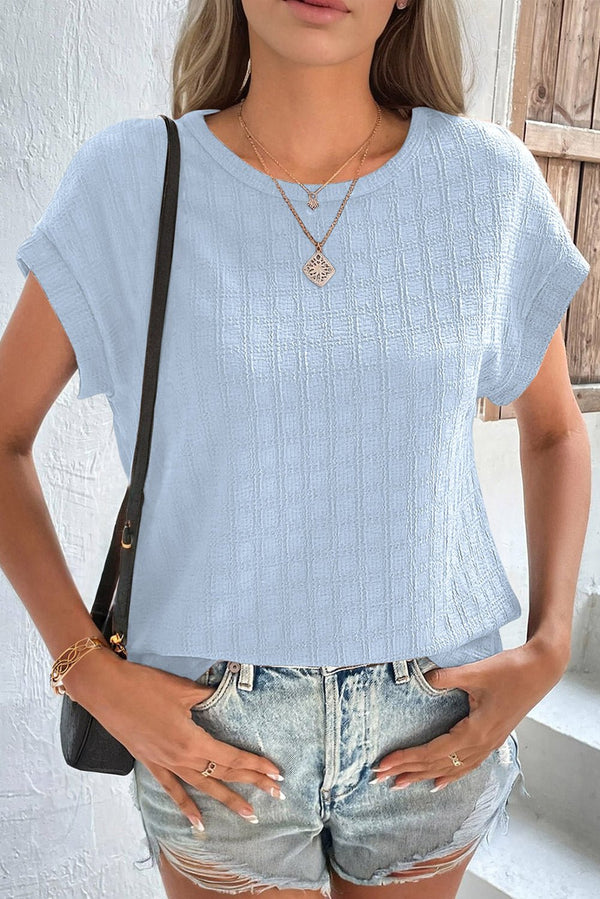
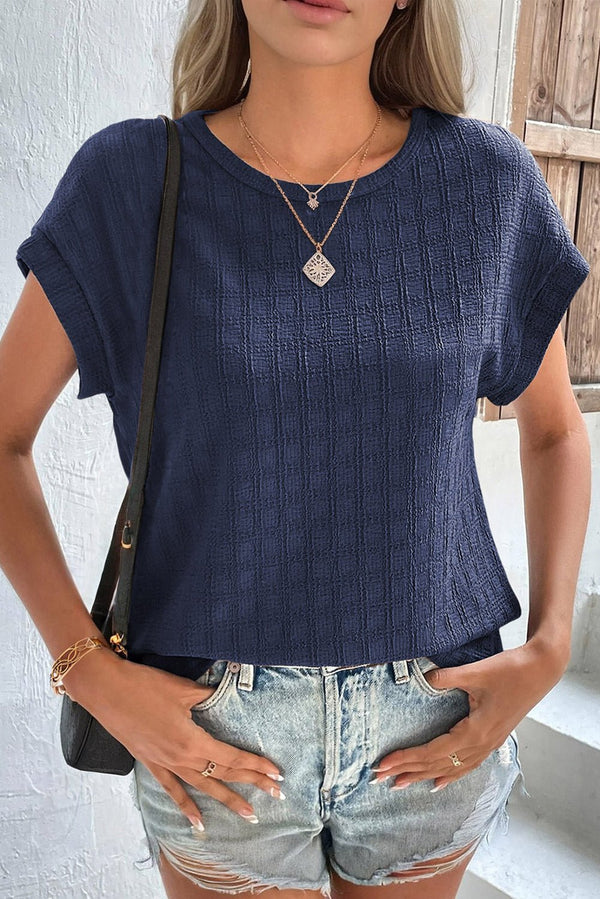
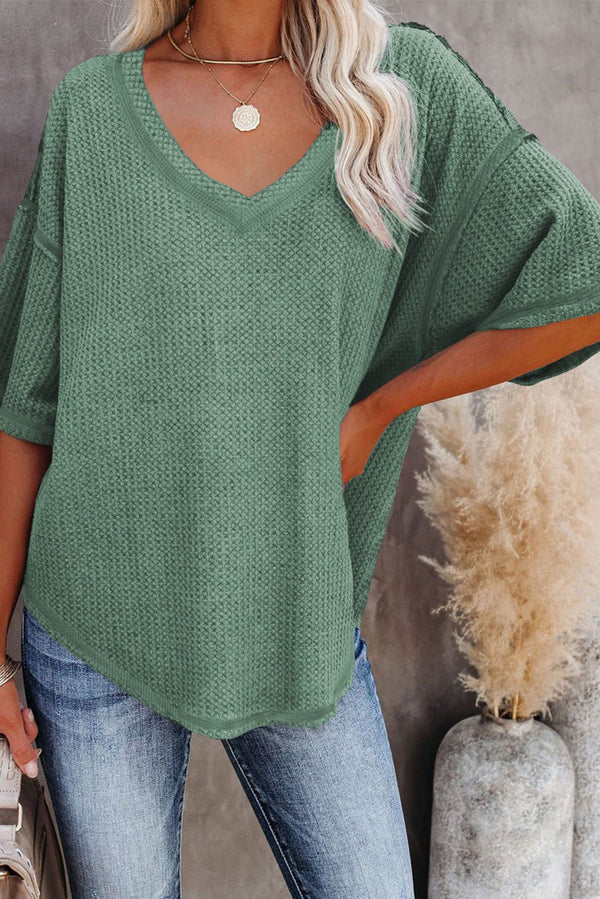


The Rise of Online Shopping for Women's Clothing
The way women shop for clothes has undergone a dramatic transformation, with online platforms taking center stage. The convenience and accessibility of online shopping have revolutionized the fashion landscape, empowering women to explore a vast array of choices from the comfort of their homes. This shift has been fueled by several key factors that have made online shopping the preferred choice for many.
Convenience and accessibility are paramount. 24/7 access to a vast selection of clothing options, from high-street brands to independent designers, allows women to browse and shop at their own pace, without the limitations of store hours or geographic location. Imagine a world where you can effortlessly scroll through thousands of dresses, jeans, and tops from the comfort of your couch, all while sipping your morning coffee. This newfound freedom has transformed the shopping experience into a personalized and enjoyable activity.
Wider variety and unique styles are another major draw. Online platforms offer a diverse range of brands and niche styles that may not be readily available in physical stores. From vintage finds to independent designers, the online world is a treasure trove of unique pieces that cater to every taste and style.  This opens doors to a world of fashion exploration, allowing women to express their individuality and discover new trends that resonate with their personal aesthetic.
Competitive pricing and discounts are a significant advantage of online shopping. Websites frequently offer deals, sales, and exclusive promotions that are often not found in brick-and-mortar shops. This allows women to stretch their budgets further and find great deals on their favorite brands and styles.
Personalized shopping experiences are becoming increasingly sophisticated. Online retailers leverage advanced technology to personalize the shopping journey, offering filters based on size, style, price, and occasion. Size guides, detailed product descriptions, and customer reviews provide valuable information to help women make informed decisions. Recommendations tailored to individual preferences ensure a more relevant and engaging shopping experience.
The growing influence of social media and online communities has also played a pivotal role in shaping online shopping habits. Social media platforms have become a hub for fashion inspiration, with influencers showcasing the latest trends and sharing product reviews. Online fashion forums and communities provide a space for women to connect, share their style choices, and seek advice from fellow fashion enthusiasts. This collaborative approach fosters a sense of community and empowers women to discover new brands, styles, and trends through peer recommendations and shared experiences.
Key Trends Shaping the Online Women's Clothing Market
The online women's clothing market is a dynamic landscape, constantly evolving with the changing preferences and behaviors of consumers. Several key trends are shaping this exciting space, influencing how brands interact with shoppers and how women approach their fashion choices.
Fast fashion and frequent purchases: The ease and accessibility of online shopping have fueled a culture of fast fashion, where new trends emerge rapidly and shoppers can readily acquire the latest styles. This trend is characterized by frequent updates and new arrivals, encouraging customers to refresh their wardrobes more often. While fast fashion offers affordability and trendy options, it also raises concerns about sustainability and ethical production practices.
Sustainable and ethical brands: In response to growing environmental and social awareness, consumers are increasingly demanding eco-friendly and ethically produced clothing. This shift has driven a surge in demand for sustainable brands that prioritize responsible sourcing, fair labor practices, and minimal environmental impact. Online platforms have become key avenues for discovering and supporting these brands, making sustainable fashion more accessible to a wider audience. 
Personalization and customization: Online shopping offers a level of personalization that traditional retail can't match. E-commerce platforms utilize data and algorithms to provide personalized recommendations, tailored to individual preferences and past purchase history. This allows shoppers to discover new styles and brands that align with their unique tastes. Furthermore, customization options are becoming increasingly popular, allowing shoppers to create unique looks by selecting specific details like fabric, color, and fit.
Virtual try-on technology: Bridging the gap between online and physical shopping, innovative technologies like virtual try-on tools are revolutionizing the e-commerce experience. These tools allow shoppers to virtually "try on" garments using their own image or a digital model, offering a more realistic preview of how clothes will fit before making a purchase. Virtual try-on technology reduces uncertainty and increases confidence in online purchases, leading to higher customer satisfaction and potentially fewer returns.
Social commerce and influencer marketing: Social media platforms have become integral to online shopping, with influencer marketing playing a significant role in driving sales. Consumers are increasingly influenced by recommendations from trusted individuals, whether they be fashion bloggers, social media personalities, or celebrities. Brands leverage this trend through collaborations with influencers, featuring shoppable posts and links that allow users to purchase items directly from social media. This seamless integration of social media and e-commerce creates a powerful avenue for reaching target audiences and driving conversions.
As these trends continue to evolve and intersect, the online women's clothing market is poised for even greater innovation and growth. Brands that adapt to these changes, embrace new technologies, and prioritize customer experience will be well-positioned to thrive in this dynamic and competitive landscape.
Challenges and Opportunities in Online Women's Clothing Retail
The online women's clothing market is a dynamic and competitive landscape, presenting both challenges and opportunities for retailers. Navigating this environment requires a strategic approach to overcome obstacles and capitalize on emerging trends.
Ensuring Accurate Sizing and Fit: One of the biggest challenges in online clothing retail is the inability to physically try on garments before purchasing. To address this, retailers must provide comprehensive size charts, detailed product descriptions, and customer reviews that offer insights into fit and sizing. Implementing virtual try-on technology can further bridge the gap, allowing shoppers to visualize how garments will look on them.
Managing Returns and Logistics: Returns are a common occurrence in online clothing retail, especially when size or fit issues arise. Streamlining the return process is crucial for customer satisfaction. Retailers can achieve this by offering free or low-cost returns, providing clear return policies, and ensuring timely processing of returns. Offering multiple shipping options, including express delivery and click-and-collect services, can further enhance the shopping experience.
Building Trust and Authenticity: Establishing trust and authenticity is paramount in the online retail space. Retailers can achieve this through high-quality product photography that accurately represents the garments, transparent descriptions that provide detailed information about materials, manufacturing processes, and care instructions, and showcasing positive customer reviews. Building a strong brand identity and engaging in ethical practices further contributes to building trust and credibility.
Adapting to Evolving Consumer Preferences: The online retail landscape is constantly evolving, driven by changing consumer preferences, technological advancements, and emerging trends. Retailers must stay informed about these changes and adapt their strategies accordingly. This includes understanding new trends, incorporating innovative technologies like virtual try-on tools and personalized recommendations, and offering sustainable and ethically produced clothing options. 
Embracing Omnichannel Strategies: The lines between online and offline shopping experiences are blurring, creating a need for omnichannel strategies. This involves integrating online and offline shopping experiences to provide a seamless customer journey. Retailers can leverage the benefits of both channels by offering online ordering with in-store pickup, click-and-collect services, and integrating online and offline marketing efforts.
By addressing these challenges and embracing opportunities, online women's clothing retailers can thrive in this dynamic market. By providing a personalized, convenient, and trustworthy shopping experience, retailers can build strong customer relationships and achieve long-term success.


