 MsDressly
 MsDressly
How To Dress For Your Body Type
Shop How To Dress For Your Body Type


Understanding Your Body Type
The first step to dressing for your body type is to understand it. This means taking a close look at your unique shape and proportions. Think of it as getting to know your own personal blueprint for stylish success!
1. Identify Your Body Shape:
There are several common body shapes, each with its own set of flattering styles. Some popular shapes include:
- Hourglass: Defined waist with balanced bust and hips.
- Pear: Wider hips than shoulders, with a defined waist.
- Rectangle: Straight lines with similar measurements across the shoulders, waist, and hips.
- Apple: Fuller bust and stomach, with narrower hips.
- Inverted Triangle: Broader shoulders than hips, with a smaller waist.
2. Determine Your Proportions:
Beyond your overall shape, consider your proportions. This involves understanding your waist-to-hip ratio and shoulder-to-waist ratio. For example, a high waist-to-hip ratio might suggest you'd benefit from emphasizing your legs, while a large shoulder-to-waist ratio might call for drawing attention to your lower half.
3. Consider Your Height and Overall Frame:
Your height and frame also play a role in how clothes fit and flatter you. Tall individuals might prefer longer lines, while petite individuals might benefit from vertical patterns and strategically placed details.
Understanding your body type is the foundation for dressing in a way that highlights your best features and creates a silhouette that makes you feel confident and beautiful.

Dressing to Enhance Your Features
Knowing your body type is the first step to dressing for success, but it's equally important to understand how to highlight your best features. Here's a guide to dressing for five common body types:
Hourglass:
Embrace your curves! The hourglass figure is defined by a defined waist and balanced bust and hips. To accentuate this shape, opt for fitted waistlines, A-line skirts that skim your curves, and cinched-in tops that highlight your waist. Think fitted blouses, wrap dresses, and tailored jackets. Avoid oversized garments that can hide your figure.
Pear:
Balance your hips with wider tops. The pear shape features a smaller bust and a fuller bottom. To create a more balanced silhouette, focus on drawing attention to your upper body. Wide-neck tops, empire waistlines, and A-line dresses will help create a more balanced look. Choose tops with details such as ruffles or embellishments to add volume to your shoulders.
Rectangle:
Create curves with strategic styling. The rectangle figure is characterized by a straight line from shoulders to hips. To create the illusion of curves, focus on adding definition to your waist. Belts, ruched tops, and peplum styles will help enhance your shape. Also, consider A-line skirts or wide-leg pants to add volume to your hips.
Apple:
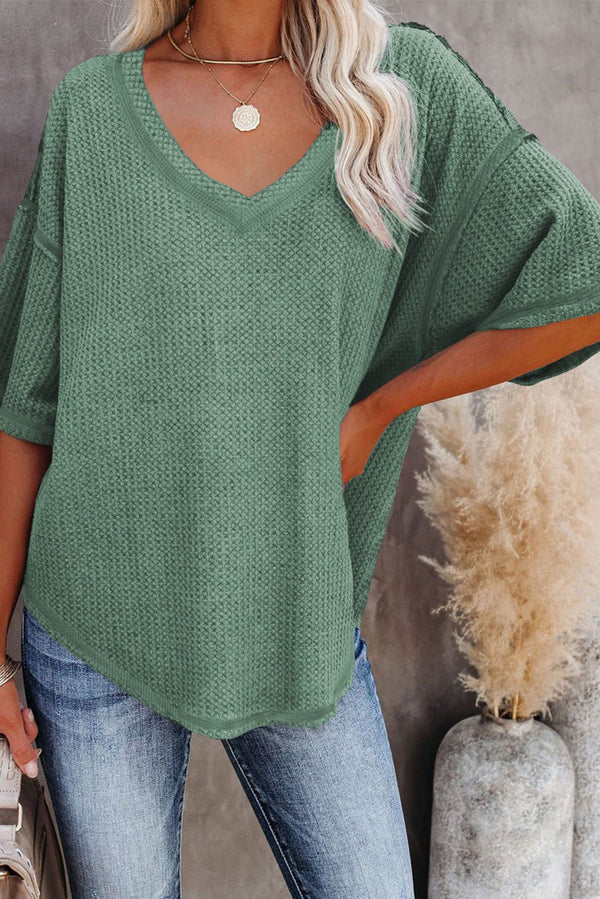
Emphasize your legs. The apple shape features a fuller bust and stomach, with a smaller bottom. To balance your proportions, draw attention to your legs. A-line skirts, empire waistlines, and V-necklines will help create a more streamlined look. Opt for tops with a longer length to cover your stomach and choose dark-wash denim or wide-leg pants to elongate your legs.
Inverted Triangle:
Draw attention to your lower half. The inverted triangle figure has broader shoulders and a smaller bottom. To balance your proportions, focus on adding volume to your lower half. A-line skirts, bootcut pants, and flowy tops will help create a more balanced look. Choose tops with a scoop neck or V-neckline to minimize the appearance of your shoulders.

Style Tips for Every Body Type
Once you understand your body type, it's time to explore the world of fashion and discover what styles work best for you. Remember, there are no hard and fast rules, and the most important thing is to find what makes you feel confident and comfortable. Here are some universal tips to consider:
- Choose flattering fabrics: The fabric you choose can significantly impact how your clothes fit and drape on your body. Opt for materials that complement your shape. For example, flowing fabrics like silk or chiffon can create a more flattering silhouette for those with curves, while structured fabrics like cotton or linen can help define the waistline for those with a more rectangular frame.
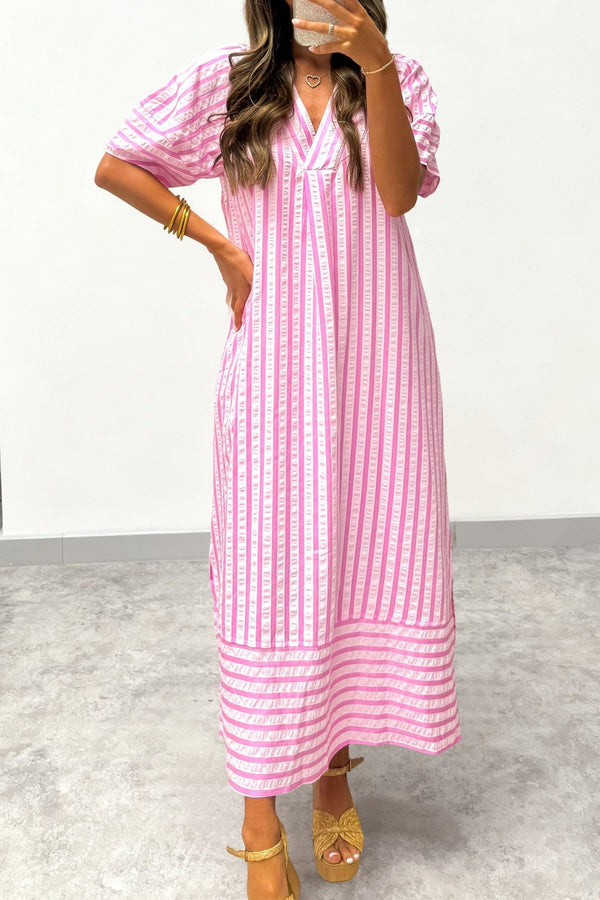
- Experiment with prints and patterns: Prints and patterns can be used to create visual illusions and balance proportions. For example, vertical stripes can create a lengthening effect, while horizontal stripes can add width. Bold prints can draw the eye to certain areas, while smaller prints can create a more understated look. Don't be afraid to play around with different prints and patterns to see what works best for you.
- Accessorize strategically: Accessories can be a powerful tool for enhancing your features and adding a touch of personality to your outfits. Belts can cinch in your waist, scarves can add a pop of color, and jewelry can draw attention to your neckline or wrists. Use accessories to create balance and highlight your best assets.
- Embrace your unique style: The most important style tip of all is to embrace your individuality! Confidence is key. Find what makes you feel comfortable and express your personal taste. Don't be afraid to experiment with different styles and trends until you find what truly resonates with you. Ultimately, the best way to dress is to dress in a way that makes you feel good about yourself.