 MsDressly
 MsDressly
Fashion In The Netherlands
Shop Fashion In The Netherlands
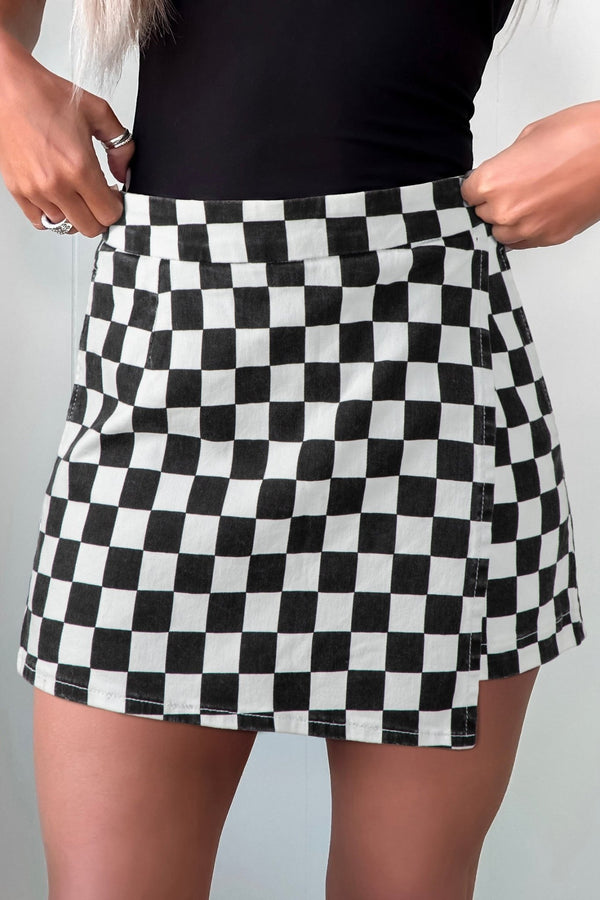
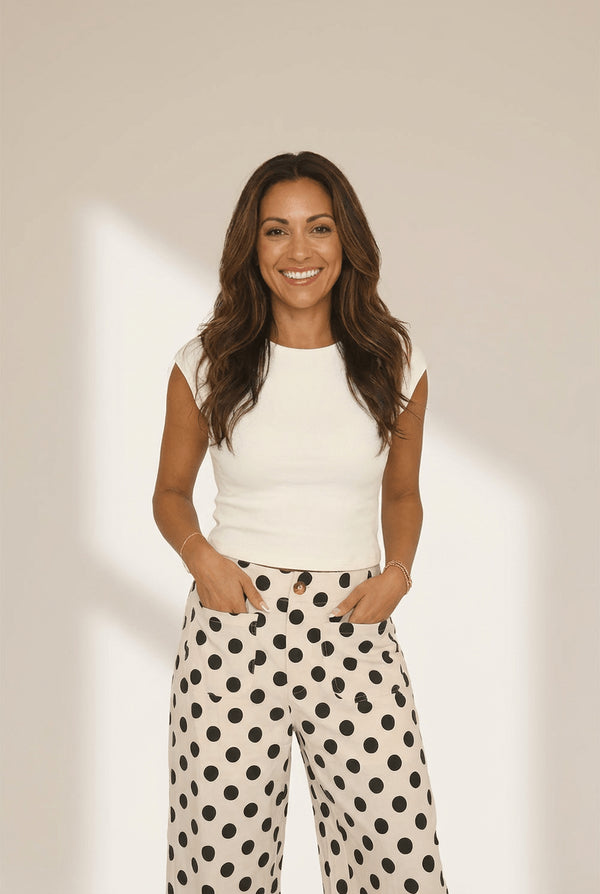
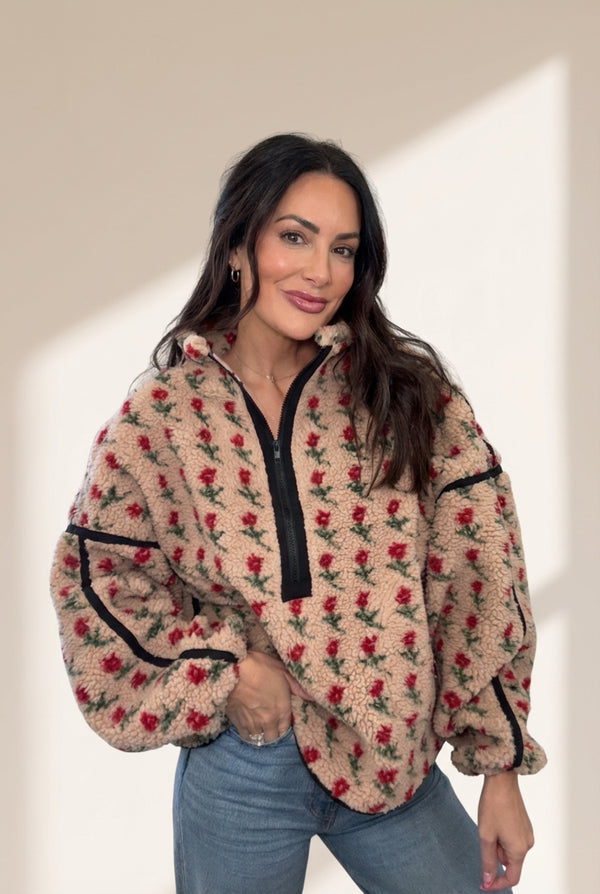
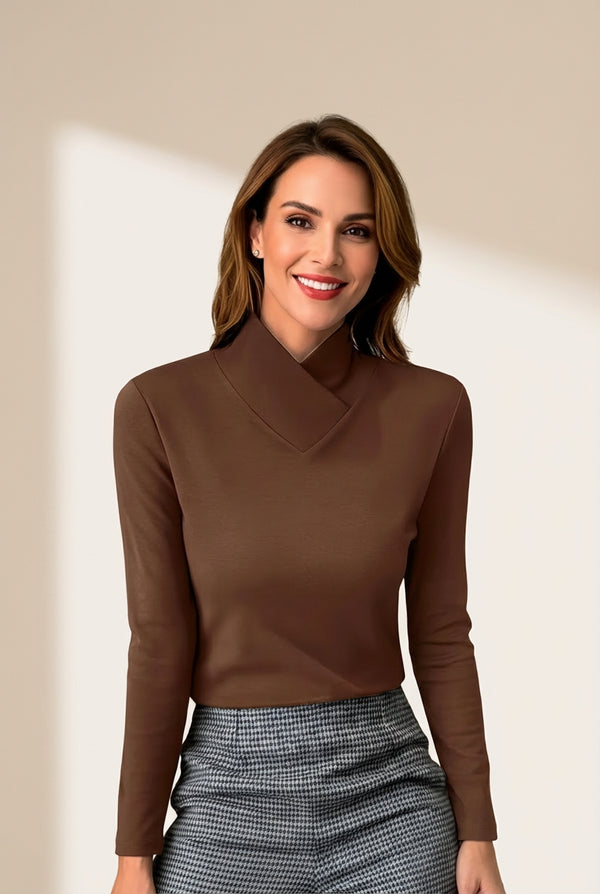


Dutch Fashion: A Blend of Classic and Modern
The Netherlands, a country known for its canals, windmills, and artistic heritage, boasts a fashion scene that reflects its unique cultural identity. Dutch fashion is a captivating fusion of classic and modern, where tradition meets innovation in a vibrant display of style.
The history of Dutch fashion is a journey through time, from the traditional costumes of the past to the contemporary trends that define the present. From the iconic wooden clogs and elaborate lacework of the 17th century to the minimalist designs of the 20th century, Dutch fashion has always been characterized by practicality and a keen eye for detail.

The essence of Dutch style can be summed up in three key elements: minimalism, functionality, and sustainability. Dutch designers embrace clean lines, neutral palettes, and timeless silhouettes, creating pieces that are both aesthetically pleasing and versatile. Functionality is paramount, with an emphasis on comfort and practicality for everyday wear. The growing awareness of environmental concerns has also driven a strong focus on sustainable production practices, with many Dutch brands championing ethical sourcing and responsible manufacturing.
The impact of Dutch designers on the global fashion scene is undeniable. From the iconic designs of Viktor & Rolf to the avant-garde creations of Iris van Herpen, Dutch talent has consistently pushed boundaries and challenged conventional notions of fashion. The country has also nurtured a thriving community of independent designers, each with their own unique vision and perspective on style. These designers are not only shaping the future of Dutch fashion but also influencing trends worldwide, showcasing the country's undeniable influence on the international stage.
Independent Women's Clothing Brands in the Netherlands
The Dutch fashion landscape is not just about global giants; it's also a thriving ecosystem of independent women's clothing brands. This rise of independent labels reflects a growing desire for empowerment and individuality, a shift away from mass-produced fashion towards unique, ethically-sourced garments. These brands are not just creating clothes; they are crafting stories, expressing values, and championing a more mindful approach to fashion.
One of the key characteristics of these independent brands is their unwavering commitment to ethical and sustainable production practices. They prioritize using organic materials, fair labor practices, and minimizing their environmental impact. This focus on conscious consumption aligns with the Dutch cultural emphasis on environmental awareness and social responsibility.

Here are a few examples of successful Dutch women's clothing brands that exemplify this trend:
- Atelier Wonen: Founded by designer Wendela van den Berg, Atelier Wonen offers a curated collection of timeless pieces with a focus on high-quality fabrics and intricate details. Their commitment to sustainability is evident in their use of natural materials like linen and cotton, and their dedication to ethical production practices. Atelier Wonen embodies a sophisticated yet relaxed aesthetic, perfect for women seeking timeless elegance.
- The Fabricant: This Amsterdam-based brand is pioneering a new era of sustainable fashion through digital design and 3D printing. By creating virtual garments, The Fabricant eliminates the need for physical materials and reduces waste. Their innovative approach to fashion is not only eco-conscious but also pushes the boundaries of creativity, allowing for endless possibilities in design and customization.
- The Renewal Workshop: While not strictly a clothing brand, The Renewal Workshop plays a crucial role in promoting sustainable fashion by giving pre-loved clothing a second life. They specialize in upcycling and repairing garments, extending their lifespan and reducing textile waste. This Amsterdam-based initiative highlights the importance of circularity in fashion and encourages consumers to embrace pre-owned clothing as a sustainable alternative.
These are just a few examples of the many independent women's clothing brands flourishing in the Netherlands. Their dedication to ethical production, innovative design, and a focus on individuality showcases a new wave of fashion that is both stylish and responsible. They are not just designing clothes; they are shaping a more conscious and sustainable future for the fashion industry.
Aesthetic Trends in Dutch Women's Fashion
Dutch women are known for their effortless style, blending classic and modern elements to create looks that are both chic and practical. The Dutch fashion scene reflects a strong emphasis on quality, sustainability, and individuality, resulting in several distinct aesthetic trends.
Minimalist Chic: The Dutch have a penchant for clean lines, simple silhouettes, and neutral colors. This minimalist aesthetic is evident in their wardrobe choices, featuring high-quality fabrics like linen, cotton, and cashmere. Think tailored trousers, classic trench coats, and minimalist dresses in timeless hues like black, white, navy, and beige. This understated approach to fashion allows individual pieces to shine and creates a sense of sophistication without being overly fussy.

Bohemian Style: Another prominent trend is the bohemian aesthetic, embracing flowing dresses, natural textures, and vintage-inspired pieces. This free-spirited style reflects a love for handcrafted items and a connection to nature. Think earthy tones, floral prints, and layered textures, often incorporating elements like lace, embroidery, and crochet. Dutch women often blend bohemian pieces with minimalist basics, creating a unique and eclectic look.
Modern Casual: Dutch women are masters of the modern casual look, embracing comfort and style in their everyday wear. This trend combines athleisure elements with classic pieces, resulting in outfits that are both functional and fashionable. Think comfortable sneakers paired with denim jeans, a stylish bomber jacket, or a relaxed sweater dress. This approach allows for easy movement and a sense of relaxed confidence, making it perfect for the Dutch lifestyle.

Sustainable and Ethical Fashion: The Dutch are increasingly aware of the environmental and social impact of the fashion industry. This has led to a growing movement towards sustainable and ethical fashion practices. Many Dutch women prioritize brands that use recycled materials, fair labor practices, and eco-friendly production methods. This trend extends beyond clothing, encompassing accessories, shoes, and even cosmetics. By supporting brands that prioritize ethical practices, Dutch women are making conscious choices to create a more sustainable future for fashion.
These aesthetic trends highlight the diversity and dynamism of Dutch women's fashion. They showcase a commitment to quality, sustainability, and personal style, resulting in a unique and inspiring approach to dressing. Whether embracing minimalist chic, bohemian flair, modern casual comfort, or ethical fashion, Dutch women demonstrate a confident and individualistic approach to style.