
 MsDressly
 MsDressly
Maxi Dress vs. Sundress: What's the Difference?
Shop Dresses

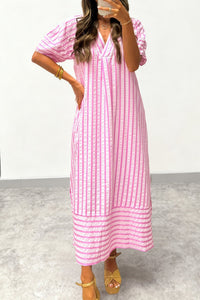
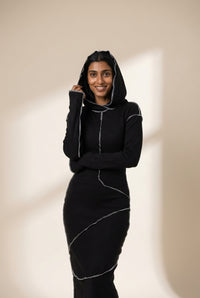
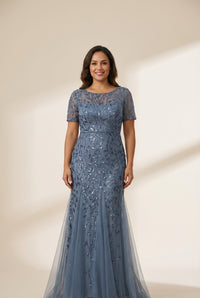
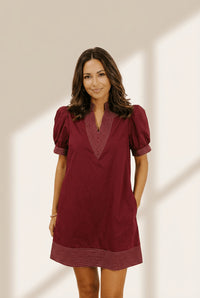
Updated October 2026 by the MsDressly editorial team.
Shop the styles
-

Women's Red Plaid Fit-and-Flare Sundress with Square Neck for Summer Vacations and Casual Outings — $99.99 -

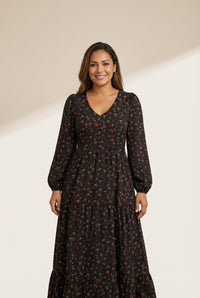
Women's Ruched V-Neck Long Sleeve Slim Maxi Dress — $89.99 -

Starry Night Short Sleeve Maxi Dress — $39.99 -

Sunny Vibes Floral Maxi Dress featuring maxi dresses styling with practical layering, balanced movement, and everyday versatility for modern wardrobe. — $89.99 -

Vintage Print Puff Sleeve Maxi Dress — $39.99 -

Elegant V-Neck Pleated Maxi Dress — $59.99 -

Colorful Printed Maxi Dress with Waist-Cinching Design — $39.99 -

V-neck Solid Pocket Casual Sling Dress Sundress — $39.99
What Is a Maxi Dress?
A maxi dress is defined by one thing above all else: length. The hem falls at the ankle or skims the floor, giving the dress a long, unbroken vertical line. Beyond the hem, maxi dresses come in almost every silhouette imaginable — fitted and ruched, flowing and tiered, long-sleeved, strapless, pleated, or smocked.
Because 'maxi' only describes the hemline, the category covers everything from a casual jersey tank dress to a formal evening gown. That range is exactly why the term gets confused with 'sundress,' which is a much narrower idea.
What Is a Sundress?
A sundress is a lightweight, informal dress designed for warm weather. Its defining features are practical rather than dimensional: thin or wide shoulder straps (or a halter or square neckline), breathable fabric like cotton or rayon, and a relaxed, unconstructed fit that keeps you cool.
Length is not what makes a sundress a sundress. Most hit above the knee or at mid-calf, but a sundress can technically be any length — what matters is the breezy, casual, sunshine-ready character of the dress.
The Key Differences at a Glance
- What the term measures: 'Maxi' describes hem length. 'Sundress' describes fabric weight, coverage, and a casual warm-weather mood.
- Length: A maxi dress always reaches the ankle or floor. A sundress is usually shorter, though it can be long.
- Formality: Maxi dresses span casual to formal. Sundresses are almost always casual.
- Sleeves and straps: Maxi dresses come with any sleeve style, including long sleeves. Sundresses traditionally have straps or are sleeveless.
- Seasonality: A sundress is a warm-weather piece. A maxi dress works year-round depending on fabric and layering.
Can a Dress Be Both a Maxi Dress and a Sundress?
Yes — and this is where most of the confusion comes from. A long, strappy, floral-print cotton dress worn to the beach is both: it qualifies as a maxi dress because of its ankle-length hem, and as a sundress because of its light fabric and casual construction.
The overlap only runs one direction, though. Every strappy floor-length summer dress can be called both, but a long-sleeve velvet maxi is never a sundress, and a knee-length sundress is never a maxi. When in doubt, describe length with 'maxi' and mood with 'sundress.'
How a Maxi Dress Differs From a Midi Dress
The most commonly confused length term is 'midi.' A midi dress ends somewhere between the knee and the ankle — typically mid-calf — while a maxi dress goes all the way to the ankle or floor. If there's a clear gap of leg between the hem and the top of your foot, you're looking at a midi, not a maxi.
Sundresses, meanwhile, frequently fall at midi length, which is another reason the three terms get tangled together. A midi-length sundress is simply a sundress whose hem happens to hit mid-calf.
Fabrics and Construction Details
Sundresses are built around breathability: cotton, cotton voile, linen blends, rayon, and light jersey. Construction stays minimal — pull-on styles, smocked or shirred bodices, tie straps, and loose skirts with little or no lining.
Maxi dresses use a far wider fabric range. Casual versions use jersey, cotton, and soft rayon; dressier versions move into chiffon, satin, pleated crepe, and draped knits. Construction details you'll often see include elastic or cinched waists, tiered skirts, side slits for movement, ruched bodices, and lined skirts — all features that help a floor-length dress drape and walk well.
When to Wear Each One
Reach for a sundress when the day is hot and the dress code is relaxed: farmers' markets, picnics, beach trips, backyard gatherings, and vacation sightseeing. Flat sandals, espadrilles, white sneakers, a denim jacket, and a woven bag all sit naturally alongside one.
Reach for a maxi dress when you want coverage, drama, or versatility. A printed maxi with sandals works for the same casual settings as a sundress, but a pleated or solid maxi with heeled sandals and statement earrings can carry you to a wedding, dinner, or evening event. Cooler months aren't off-limits either — a long-sleeve maxi layered under a cardigan or leather jacket transitions easily into fall.
One practical note: petite shoppers sometimes find standard maxi hems overwhelm their frame. Look for petite-specific cuts or styles with slits and waist definition rather than assuming maxis aren't for you.
How to Shop for Maxi Dresses and Sundresses
Shopping is easiest when you know which attribute matters most to you — length or mood. If you want floor-grazing length in any style, browse a dedicated maxi dresses collection, and if you're petite, a curated edit like maxi dresses for petite women saves you a trip to the tailor.
If your priority is an easy, warm-weather sundress, look for strappy or square-neck styles in breathable fabric — something like a plaid fit-and-flare sundress with a square neck is a classic example of the silhouette. And if you want the overlap — a sundress that is also a maxi — filter for maxi length with straps or short sleeves and a relaxed fit, like a strappy printed maxi dress.
Related collections
Shop by category
Guides:Maxi Dresses: A MsDressly Guide


