
 MsDressly
 MsDressly
Color Combination Chart For Clothes
Shop Color Combination Chart For Clothes
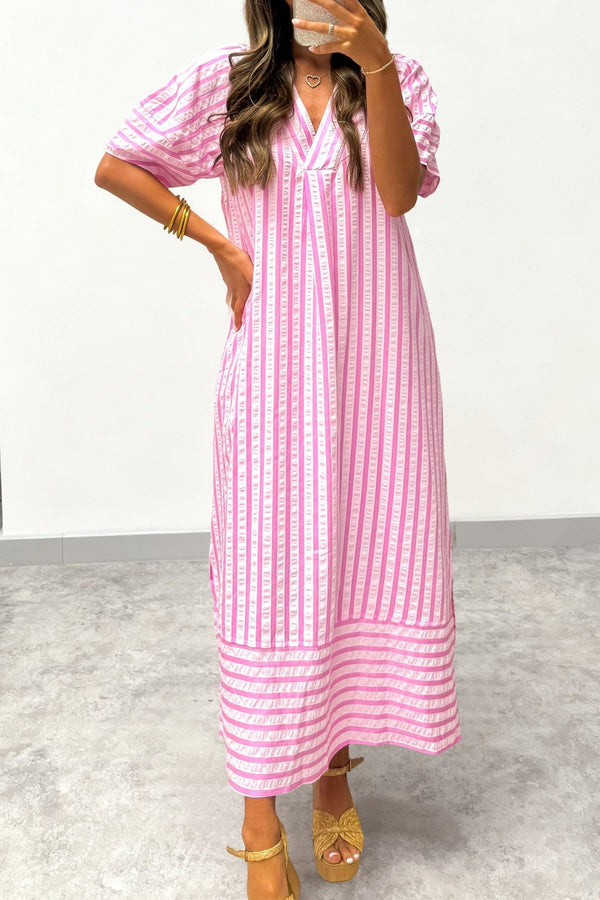
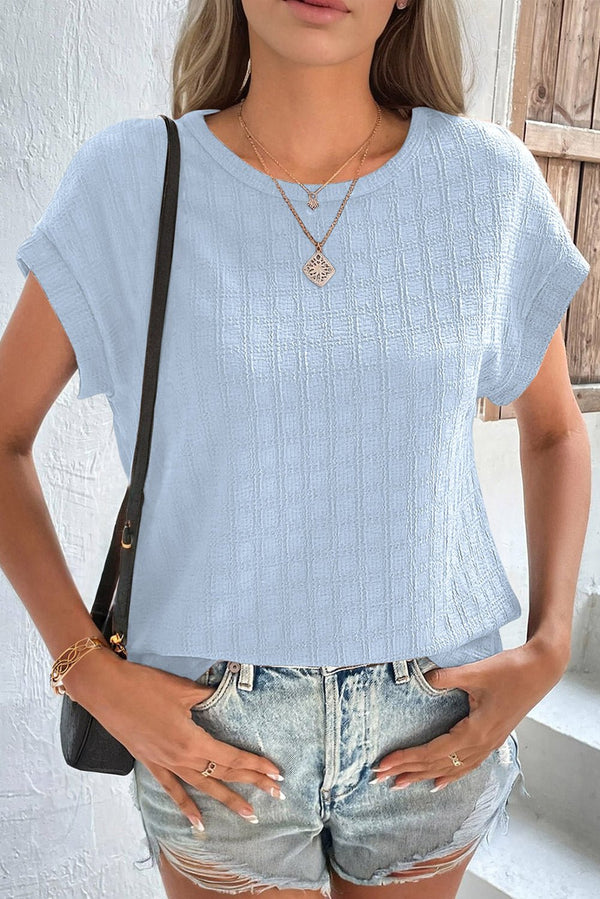
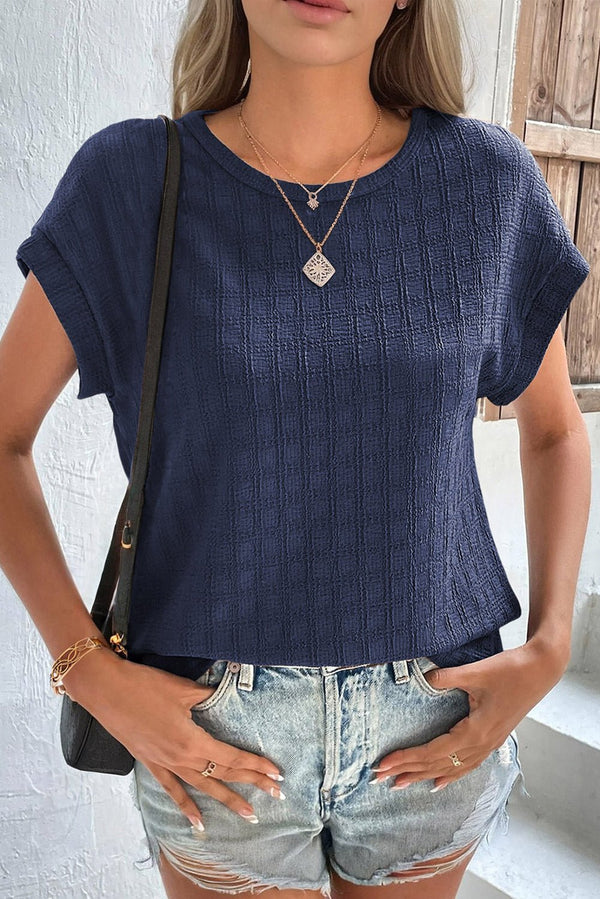
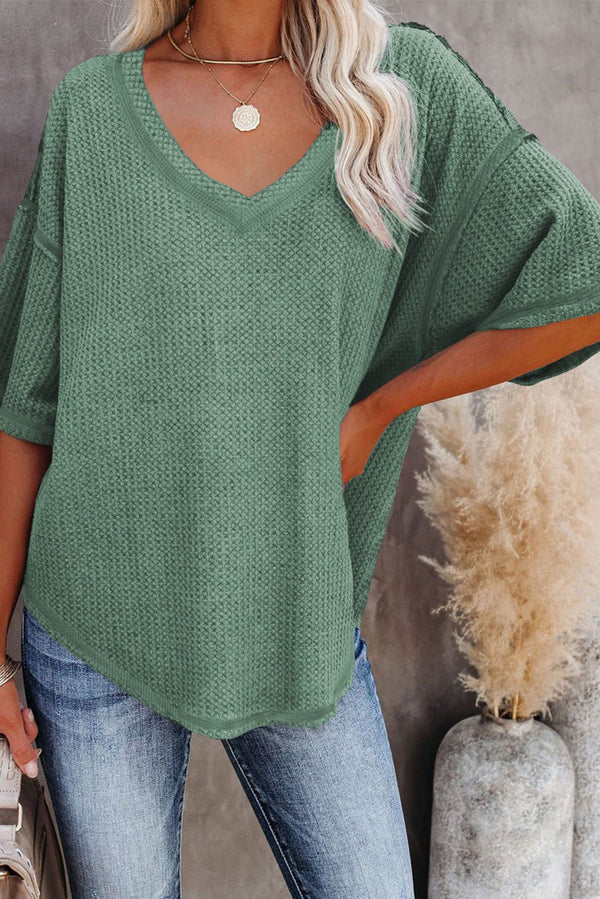


Color Combination Chart for Clothes: A Guide to Stylish Harmony
Color is a powerful tool in fashion, capable of conveying emotions, creating visual interest, and defining your personal style. Understanding color theory and its application to clothing can unlock a world of possibilities for creating harmonious and eye-catching outfits. This guide will delve into the fundamentals of color theory, explore different color combination strategies, and provide practical tips for incorporating color into your wardrobe with confidence.
Understanding the Color Wheel and its Significance
The color wheel is a visual representation of the relationships between different hues. It's a fundamental tool for understanding color theory and serves as a roadmap for creating balanced and visually appealing color combinations. The color wheel is divided into three main categories:
Primary Colors:
These are the foundation of all other colors. They cannot be created by mixing other colors and include red, yellow, and blue.
Secondary Colors:
These are created by mixing two primary colors in equal proportions. The secondary colors are green (yellow + blue), orange (red + yellow), and purple (red + blue).
Tertiary Colors:
These are formed by mixing a primary color with an adjacent secondary color. Tertiary colors add complexity and nuance to the color wheel, offering a wider range of shades to explore.
Color Combination Strategies: A Spectrum of Style
Once you understand the basics of the color wheel, you can begin to explore different color combination strategies. Each strategy offers a distinct aesthetic and can be tailored to various occasions and personal preferences.
1. Complementary Colors:
These are colors that sit directly opposite each other on the color wheel. They create a high-contrast effect that is both vibrant and eye-catching. Examples include red and green, blue and orange, yellow and purple. This strategy is often used for bold statements and can be impactful when used in moderation.
2. Analogous Colors:
These colors are located next to each other on the color wheel, creating a harmonious and cohesive look. This strategy is often used for creating calming and sophisticated outfits. Examples include blue, blue-green, and green; red, red-orange, and orange; yellow, yellow-green, and green.
3. Triadic Colors:
These colors are evenly spaced on the color wheel, forming an equilateral triangle. They offer a balanced and visually interesting combination. Examples include red, yellow, and blue; green, orange, and purple; blue-green, red-orange, and yellow-green.
4. Monochromatic Colors:
This strategy utilizes different shades, tints, and tones of a single color. This creates a sophisticated and elegant look, perfect for creating cohesive and polished outfits. You can play with the lightness or darkness of the shades to add depth and interest.
5. Neutral Colors:
Black, white, gray, and beige are considered neutral colors. They act as a foundation for any outfit, providing balance and allowing other colors to shine. Neutral colors can be used to create a classic and timeless look or to ground bolder color combinations.
By understanding these color combination strategies, you can start to experiment with different looks and discover your own signature style. The next section will delve into practical applications of these strategies for creating stylish outfits for various occasions.
Creating Outfits with Confidence: Applying the Color Chart
Now that we've explored the fundamentals of color theory and various color combinations, let's delve into the practical application of this knowledge. Mastering color combinations is about more than just looking good; it's about feeling confident and expressing your personal style.
Choosing Your Base and Accent Colors:
* **Base Color:** This is the foundation of your outfit, typically the largest piece of clothing like a dress, pants, or skirt. Choose a color you feel comfortable and confident wearing, perhaps a neutral or a shade that complements your skin tone. * **Accent Colors:** These add pops of color and visual interest to your base color. They can be used in accessories, tops, shoes, or even as a patterned element. Experiment with different color combinations to find what works best for you.
Examples of Successful Color Combinations for Various Occasions:
1. Casual Outfits (Jeans, T-shirts, Sneakers):
* **Classic Comfort:** Pair a pair of blue jeans with a white t-shirt and a red scarf or sneakers. The red adds a pop of color and complements the blue beautifully. * **Earthy Tones:** Combine beige or khaki pants with a green or brown t-shirt. This natural palette feels relaxed and effortless. * **Bold Statement:** A black t-shirt with bright yellow or orange sneakers creates a fun and eye-catching look.
2. Formal Events (Dresses, Suits, Accessories):
* **Elegant Neutrals:** A classic black or navy dress paired with silver or gold jewelry is timeless and sophisticated. * **Complementary Colors:** A red dress with a green clutch or a blue suit with a coral tie creates a striking visual impact. * **Monochromatic Harmony:** Choose a dress or suit in a single color and play with different shades and textures to create a cohesive and elegant look.
3. Work Attire (Business Casual, Power Suits):
* **Power Neutrals:** A classic black or gray suit with a white blouse or shirt is a timeless and professional choice. * **Statement Colors:** A navy blazer with a bright pink blouse or a black dress with a bold red scarf can add a touch of personality to your workwear. * **Business Casual:** Combine a pair of tailored trousers with a patterned blouse in complementary colors or a neutral top with a colorful cardigan or scarf.
4. Evening Wear (Dresses, Jumpsuits, Gowns):
* **Dramatic Statement:** A bold black gown with a vibrant red sash or a shimmering gold jumpsuit with a black clutch creates a dramatic and memorable look. * **Romantic Neutrals:** A flowing white dress with delicate silver jewelry or a champagne-colored gown with a blush pink shawl evokes a romantic and ethereal vibe. * **Playful Prints:** A patterned dress with a contrasting solid-color clutch or a jumpsuit with a colorful scarf adds a touch of playfulness to your evening attire.
Remember, these are just starting points. Don't be afraid to experiment with different color combinations and find what works best for you. The most important thing is to feel confident and comfortable in your own skin and your own style.

Beyond the Basics: Advanced Color Techniques
While the color wheel and basic combinations provide a solid foundation, mastering color in fashion requires delving deeper. Here are some advanced techniques to elevate your styling game:
Understanding Personal Color Analysis (Seasonal Color Palettes)
Personal color analysis identifies the colors that best complement your natural coloring (skin, hair, and eyes). This involves categorizing individuals into four "seasons": Spring, Summer, Autumn, and Winter. Each season corresponds to a unique color palette that enhances your natural features. Understanding your season allows you to choose colors that flatter you most, making you look radiant and confident.
* **Spring:** Warm, bright colors like yellow, coral, and emerald green. * **Summer:** Cool, muted colors like lavender, blush pink, and navy blue. * **Autumn:** Warm, earthy colors like burnt orange, mustard yellow, and olive green. * **Winter:** Cool, bright colors like sapphire blue, ruby red, and black.
By embracing your seasonal palette, you can create outfits that harmonize with your natural beauty and enhance your overall appearance.
Incorporating Patterns and Prints to Add Visual Interest
Patterns and prints add dynamism and personality to your outfits. They offer endless possibilities for playing with color and creating unique looks.
* **Stripes:** Vertical stripes elongate the silhouette, while horizontal stripes create a wider appearance. * **Florals:** Floral prints are a classic choice, adding a touch of femininity and vibrancy. * **Geometric:** Geometric prints, such as polka dots, checks, and chevron, offer a modern and edgy feel. * **Animal Prints:** Leopard, zebra, and snakeskin prints add a touch of drama and sophistication.
When incorporating patterns and prints, consider the scale and color combination. Large-scale prints can be overwhelming, while smaller prints provide a more subtle touch. Combining patterns with solid colors can create balanced and stylish looks.
Using Color to Create Illusions (Elongate, Shorten, Accentuate)
Color can be used to manipulate the perception of your body shape.
* **Elongate:** Wearing darker colors on the bottom and lighter colors on top creates a slimming effect, making you appear taller. * **Shorten:** Wearing a single color from head to toe creates a streamlined look, while wearing different colors on top and bottom can break up the silhouette, making you appear shorter. * **Accentuate:** Using a bright color or a bold print in a specific area can draw attention to that area, highlighting your favorite features.
Understanding these techniques allows you to strategically use color to create the desired silhouette and emphasize your assets.
Tips for Accessorizing with Color to Elevate Any Outfit
Accessories are the finishing touches that can elevate any outfit.
* **Bags:** A bright bag can add a pop of color to a neutral outfit, while a patterned bag can add a touch of personality. * **Shoes:** Shoes can be a statement piece, adding a pop of color or complementing the outfit's color scheme. * **Jewelry:** Statement jewelry can be a bold way to add color to an outfit, while delicate pieces can add a subtle touch. * **Scarves:** Scarves can be a versatile accessory, adding color, texture, and warmth.
By carefully choosing accessories that complement your outfit's color palette, you can create a cohesive and stylish look.
Mastering advanced color techniques requires experimentation and self-discovery. Embrace the freedom to play with different combinations and explore the endless possibilities of color in fashion.


