
 MsDressly
 MsDressly
Best Online Thrift Stores for Unique Fashion Finds | MsDressly
Outfit guidance first — then one shoppable MsDressly piece with price and sizes below.
One in-stock pick to shop now
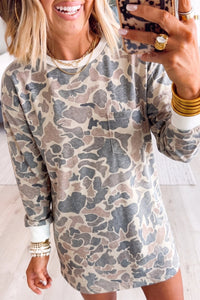
Shop Evening & Cocktail Dresses
Updated October 2026 by the MsDressly editorial team.
Shop the styles
-

Trendy Women's Pink Camo Leopard Patchwork Crop Jacket with Flap Pockets Casual Stylish Outerwear for Unique Fashion made for easy styling and — $89.99 -

Women's Stylish Women's Pink Striped Ruffled Blouse with Short Sleeves and Unique Patchwork Design for Summer Fashion — $49.99 -

Women's Stylish Women's Soft Cotton Graphic T-Shirts - Casual Fit for Everyday Fashion in Vibrant Colors and Unique Designs — $39.99 -

Vibrant Women's Graphic Tees – Stylish Casual Tops for Everyday Comfort, Self-Expression, and Unique Fashion Statements — $99.99 -

Stylish Women's Graphic Tees - Casual, Comfortable Fit with Unique Prints for Everyday Fashion and Personal Expression — $59.99 -

Chic Women's Graphic Tees - Soft Cotton, Casual Fit, Trendy Styles for Everyday Fashion and Unique Outfits — $49.99 -

Chic Women's Graphic Outfit Sets - Unique, Comfortable Casual Wear for Everyday Style and Effortless Fashion — $99.99 -

Stylish Women's Graphic T-Shirts - Soft Cotton, Casual Fit, Unique Designs for Everyday Fashion and Expressive Looks — $59.99
What Makes an Online Thrift Store Actually Good
Not every resale site deserves your scrolling time. The stores worth bookmarking share a few traits: they list flat measurements (pit-to-pit, waist, length) instead of relying on the tag size, they grade condition honestly, and they photograph flaws rather than hiding them.
Curation is the second factor. A shop where someone has already filtered out stretched-out fast fashion saves you hours. Look for stores that organize by era, fabric, or aesthetic rather than dumping thousands of unedited listings into one feed. Finally, check whether the shop accepts returns on misfit items and how responsive the seller or support team is — on peer-to-peer platforms, a seller's rating and response speed tell you almost everything.
The Main Types of Online Thrift Stores
Peer-to-peer marketplaces (Depop, Poshmark, eBay) have the deepest inventory and the best prices, but you do the vetting yourself. They're where one-of-one pieces surface — a hand-embroidered 70s blouse, a deadstock denim jacket — if you're willing to search.
Curated vintage boutiques (many sell through Etsy or their own sites) charge more per piece because a buyer has already done the quality check. This is the fastest route to genuinely unique finds.
Consignment platforms (The RealReal, Vestiaire Collective) focus on designer and premium labels with authentication built in. Charity-run online shops (ShopGoodwill, Oxfam's online store) offer the lowest prices and the thrill of a real dig, though listings are often sparse on measurements — budget extra time for questions.
How to Search So the Good Stuff Finds You
Generic searches return generic results. Instead of typing "vintage dress," search the way a dealer would: "100% silk blouse," "90s slip dress," "mohair cardigan," "levi's 501 made in usa," "gunne sax prairie dress." Fabric content, decade, and construction details surface better stock than broad terms.
Use filters aggressively — set your size range, price ceiling, and condition minimum before you browse. On marketplaces, try common misspellings ("cordoroy," "cashmere" as "cashmire") because sloppy listings often hide the best deals. Save your best searches and turn on alerts so the platform works while you're not looking.
Decoding Listings: Size, Condition, and Photos
Tagged vintage sizing runs small and inconsistent — a 1970s size 10 can fit like a modern size 4. Ignore the tag and shop by measurements. Keep a note on your phone with the flat measurements of your best-fitting dress, jeans, and blazer, and compare every listing against them. Ask the seller for anything not shown; a seller who won't measure is a reason to pass.
Learn the condition shorthand: NWT (new with tags), EUC (excellent used condition), GUC (good used — expect minor wear), and "flawed" or "as-is," which only makes sense at a steep discount or for pieces you plan to alter. Zoom into photos of underarms, cuffs, hems, and zippers — that's where wear hides.
Fabrics and Details Worth Hunting For
Train your eye on construction tells: metal zippers instead of plastic, bound or French seams, corozo or mother-of-pearl buttons, lining in jackets and skirts, and "Made in" labels from eras with stricter garment standards. On designer pieces, hardware weight, logo stamping, and stitch density matter — when in doubt, buy through a platform that authenticates.
Pricing: What's Fair and When to Walk Away
Walk away from listings with no measurements, one blurry photo, or sellers unwilling to answer basic questions; another listing always comes.
Styling Thrifted Finds So They Look Intentional
The easiest formula is one thrifted statement piece plus clean modern staples. A vintage brocade jacket over a plain fitted tee and straight-leg jeans reads styled; head-to-toe decade dressing reads costume. Let the secondhand piece carry the outfit and keep everything else quiet.
Balance proportion across eras: a boxy 80s blazer works beautifully over a slim ribbed top; a flowy bohemian maxi grounds itself with a structured modern belt. If you love a loud, one-of-a-kind look but want it new, pieces like a pink camo leopard patchwork crop jacket deliver the same thrifted energy with none of the digging.
Occasion Formulas: Putting It Together
Weekend casual: vintage band tee or graphic top + high-waisted thrifted denim + white sneakers. The worn-in tee does all the personality work.
Work-adjacent: thrifted wool blazer + modern ruffled patchwork blouse + tailored trousers. Mixing eras at the office reads confident, not chaotic.
Evening: a 90s bias-cut slip dress (abundant secondhand) + modern heeled sandals + a structured bag. Festival or statement day: patchwork or embellished thrifted jacket over monochrome basics. In every formula, one piece gets to be the story — the rest are the supporting cast.
Common Mistakes First-Time Online Thrifters Make
Third is skipping the fabric content line — "vintage-style" polyester is everywhere and rarely worth it at vintage prices.
Also common: ignoring seller ratings on marketplaces, assuming every stain or missing button is an easy fix (underarm discoloration usually isn't), and forgetting to account for shipping in the total price. Treat each purchase like a small sourcing decision and your hit rate climbs fast.
Mixing Thrifted Finds with New Pieces from MsDressly
A wardrobe built only on secondhand finds can leave gaps — the right base layer, a specific color, a reliable fit. The sweet spot is thrifting for character (outerwear, silk blouses, denim, occasion dresses) and buying new for dependable foundations: soft graphic tees, easy blouses, and matching sets that anchor your vintage pieces.
Browse the unique fashion clothing collection for modern staples that share the thrifted spirit — bold prints, patchwork details, expressive graphics — with consistent sizing and fresh fabric. Orders ship free when you buy two or more items or spend over US$80, which makes it easy to stock the basics in one go and save the hunt for pieces that genuinely deserve it.
Shop by category
Guides:Seasonal Capsule Wardrobe Systems: A MsDressly Guide · Budget Friendly Seasonal Wardrobe Planning: A MsDressly Guide


