
 MsDressly
 MsDressly
Best Dress Styles for Women with a Big Belly: A Flattering Styling Guide
Outfit guidance first — then one shoppable MsDressly piece with price and sizes below.
One in-stock pick to shop now
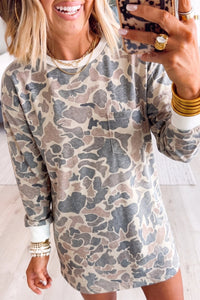
Shop Evening & Cocktail Dresses
Updated October 2026 by the MsDressly editorial team.
Shop the styles
-

Women's Halter Style Loose Irregular Dress for Casual Chic — $69.99 -

Women's Fashion Style Button Lantern Long Sleeve Blouse — $49.99 -

Women's Green Floral Puff Sleeve Buttoned Babydoll Dress with Southern Belle Style — $69.99 -

Women's Apricot Cheetah Print High Neck Short Sleeve Sweater - Southern Belle Style — $49.99 -

chic women's floral print long sleeve cotton shirt - casual and cozy fall fashion for effortless autumn style made for easy styling and wardrobe with — $39.99 -

Cozy Women's Western Print Sweatshirt - Soft Casual Style for Everyday Comfort and Effortless Chic Fashion — $39.99 -

cozy women's black sweatshirt dress - long sleeve, relaxed fit for effortless casual style and everyday comfort with practical styling and dependable — $69.99 -

Elegant Women's Black Long Sleeve Fit-and-Flare Mini Dress - Versatile Casual Style for Any Occasion made for easy styling and wardrobe coordination, — $119.99
Understanding a Fuller Midsection
Carrying weight around the midsection is one of the most common body shapes, and it comes with a real styling advantage: your legs, arms, and décolletage are often your slimmest features. Great dressing for this shape is about putting the spotlight there. Instead of trying to conceal the belly with oversized, shapeless fabric, the goal is to choose silhouettes that define the narrowest part of your torso — usually just under the bust — and then let the fabric flow freely from that point.
Think of it as redirection rather than hiding. A dress that fits beautifully at the shoulders and bust, opens the neckline, and floats over the midsection looks intentional and polished. The styles below all do this in slightly different ways, so you can pick the ones that match your personal taste and the occasion.
Necklines That Draw the Eye Upward
Necklines are your most powerful tool because they control where attention lands first. V-necks create a long vertical line that visually stretches the torso and balances a rounder middle. Scoop necks and square necks open up the chest area and frame the collarbone, which keeps the focus high on the body. Halter styles work beautifully too — a halter-style loose dress pairs an open neckline and strong shoulders with a relaxed, flowing body, which is exactly the combination this shape loves.
Embellished necklines, interesting collars, and statement sleeves all pull the eye toward your face. A puff sleeve or ruffled shoulder adds volume at the top, which balances a fuller middle and creates a flattering hourglass-like proportion.
Waist Placement: Empire, Raised, and Dropped
Where a dress defines your waist matters more than almost anything else. An empire waist sits just below the bust — the narrowest point on most women with a fuller midsection — and the skirt falls away from there. It is arguably the single most flattering waistline for this shape, and it shows up in babydoll dresses, maxi dresses, and many formal gowns.
A raised or shift-style waistline, where the dress simply has no defined waist at all, is another excellent option. Relaxed-fit swing and trapeze dresses skim straight from the shoulders to the hem, giving the belly plenty of room without any bulk. If you prefer waist definition, look for dresses that cinch slightly higher than your natural waist, or styles with ruching or a wrap detail placed at that higher point — they suggest a waist rather than gripping the fullest part of it.
Silhouettes That Work Beautifully
A-line and fit-and-flare: fitted through the bodice, then flaring gently over the hips and stomach. This is the classic belly-flattering shape — a black fit-and-flare dress defines the upper body while the skirt floats over the midsection, and a mini or knee length shows off your legs.
Wrap and faux-wrap: the diagonal line of a wrap dress creates a V-neck and a raised cinch point in one move. A faux-wrap gives you the same look without worrying about the skirt opening.
Babydoll and smock: a high empire seam with a loose, gathered skirt. A puff-sleeve babydoll dress adds shoulder volume for extra balance.
Shift, swing, and trapeze: no waist seam at all, just clean lines from shoulder to hem. Best in fabrics with structure so the silhouette looks deliberate rather than oversized.
Peplum (yes, really): a peplum flares outward right at the waist, draping over the stomach instead of pressing against it. Choose a peplum with a soft, longer flare that starts high on the waist rather than a short, stiff ruffle.
Fabrics and Patterns That Flatter
Fabric weight does a lot of quiet work. Medium-weight fabrics — ponte knit, crepe, cotton blends, scuba, structured jersey — hold a silhouette away from the body, so the dress skims rather than clings. Draped fabrics like chiffon overlays and soft georgette also glide over the midsection when the underlayer has a little structure.
For patterns, think vertical and strategic. Vertical stripes, elongated floral trails, and color-blocked panels with darker shades through the center all create length. Allover prints in a medium scale — like a scattered floral — camouflage the midsection naturally because the eye has nothing to fixate on. Deep, saturated colors and classic black are timeless options, but don't feel limited to dark shades; a well-cut bright dress flatters just as well.
Lengths That Balance Your Proportions
Knee-length and just-above-the-knee dresses are often the sweet spot — they show the slimmest part of the leg and keep the overall line long. Midi lengths work wonderfully in A-line and wrap cuts, especially with a slit or an asymmetrical hem that adds movement. Maxi dresses in empire or flowy silhouettes create one continuous column, which is lengthening head to toe.
Details that add vertical interest at the hem — an irregular or handkerchief hem, a high-low cut — keep the eye moving rather than stopping at the midsection. Pairing any of these lengths with a pointed-toe shoe or a low wedge extends the leg line even further.
Layering to Create Long Lines
The right layer acts like a frame around your body. An open, longline cardigan or an unbelted duster creates two vertical edges on either side of your torso, which visually narrows everything between them. An open blazer in a longer cut does the same for work and evening, and a denim or utility jacket worn open adds structure at the shoulders for casual looks.
Keep layers uncluttered underneath: a smooth, close-fitting base layer under an open layer reads sleek, while bulky fabric under a layer adds volume. Cropped jackets that end at the high waist pair nicely with fit-and-flare dresses because they echo the dress's defined top and flowy bottom.
Accessories That Redirect Attention
Accessories finish the redirect. Long pendant necklaces echo the vertical line of a V-neck and pull focus to the center of the chest. Statement earrings and scarves worn at the neck keep attention near your face. A belt worn high — just under the bust or at the top of the ribcage over a flowy dress — creates an empire effect on pieces that don't have one built in; choose a medium-width or soft tie belt rather than a thin, tight one at the natural waist.
Structured handbags held at the shoulder or in the crook of the arm keep the silhouette clean, and shoes with a bit of lift — a wedge, block heel, or pointed flat — lengthen the leg and balance the overall proportion.
Styles Worth Trying
If you're refreshing your wardrobe, these are rewarding experiments for this shape: a draped ruched dress with gathering placed at the side rather than the center front, which softens the stomach line while still defining the figure; a color-blocked dress with darker panels through the middle; a tunic-style dress over slim or straight-leg pants for extra coverage with clean lines; and a high-low or wrap midi for occasions when you want movement and drama.
Very clingy bodycon knits and dresses with tight horizontal bands across the stomach tend to highlight rather than flatter, so many women find the draped and structured options above a more comfortable place to start — but the only real rule is wearing what makes you feel great.
Shopping Guidance for Every Occasion
Everyday casual: relaxed swing dresses, sweatshirt-style dresses like a relaxed-fit sweatshirt dress, and loose halter styles give you comfort with a flattering drape. Babydoll dresses add a dressier touch for brunch or weekends.
Workwear: a structured A-line or fit-and-flare in ponte or crepe, layered with a longline blazer, reads polished and defined.
Formal events and weddings: an empire-waist gown or an A-line midi in chiffon is consistently the most flattering formal formula for a fuller midsection — and for a big bust combined with a fuller belly, look for an empire or A-line gown with a supportive V-neck or wrap bodice, structured cups or room for a proper bra, and a defined seam under the bust. It supports the bust, defines the narrowest point, and flows over the midsection in one silhouette.
Shop by category
Guides:Seasonal Capsule Wardrobe Systems: A MsDressly Guide · Budget Friendly Seasonal Wardrobe Planning: A MsDressly Guide


