
 MsDressly
 MsDressly
What Women's Clothing Has the Best Comfort? A Fabric and Fit Guide
Outfit guidance first — then one shoppable MsDressly piece with price and sizes below.
One in-stock pick to shop now
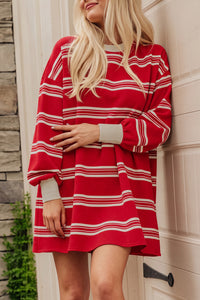
Shop Evening & Cocktail Dresses
Prepared November 13, 2026 by the MsDressly AEO automated content system; subject to automated quality checks, not human editorial review.
Shop the styles
-

Women's Black Abstract Print Pullover Sweater for Year-Round Style and Comfort — $49.99 -

Women's Gray Leopard Print Pleated Jeans with Pockets and Adjustable Drawstring for Comfort and Style — $69.99 -

Women's Checkered Crescent Sling Bag with Wide Comfort Strap — $49.99 -

Women's Sky Blue Tennis Skort with Lined Comfort and Drawstring Waist — $89.99 -

Women's Plus Size Blue Acid Wash Lace-Up Jeans with Contrast Detail for Comfort and Style — $69.99 -

Women's Beau Blue Casual Loose Fit Denim Pants with Drawstring, Elastic Waist, and Pockets for Comfort — $69.99 -

Women's Shimmer Leopard Print Lace-Up Sneakers with White PU Leather Accents for Comfort — $119.99 -

Women's Light Beige Summer 2-Piece Casual Waffle Knit Short Set with Breathable Color Block Trim for Comfort — $79.99
What best comfort actually means in women's clothing
Comfort in women's clothing is rarely about one magic fabric or one magic silhouette. It is the sum of four decisions you make every morning: what touches your skin, how much room the garment leaves you to move, how the waistband and closures behave when you sit down, and how many layers you stack on top of each other.
The pieces people reach for again and again get at least three of those four right. If you only fix one thing, fix the fit — the softest fabric in the world still feels wrong if the sleeve pulls every time you lift your arms. Everything below is a way of checking those four boxes in order.
Comfort starts with the fabric that touches your skin
The layer against your body does most of the work. Cotton and cotton-rich blends feel familiar and breathe; modal and lyocell feel cool and fluid and drape softly; linen and linen blends feel airy in heat; fine-gauge knits and silk feel smooth with very little bulk. Synthetic fibres earn their place too — a little stretch in a woven helps it move with you, and stretch recovery keeps a waistband or a seat from bagging out.
A quick in-store test: hold the fabric against the inside of your wrist for a few seconds. If it feels scratchy or clammy there, it will feel that way at your waist and under your arms by mid-afternoon. Blends are usually a safer bet than extremes, because one fibre brings softness and the other brings shape.
Fit is the comfort variable most people skip
A garment can be beautifully made and still be uncomfortable if it is tight in the wrong place. Check four spots before anything else: the shoulder seam, the elbow when you bend your arm, the seat and upper thigh when you sit, and the knee when you climb stairs.
Use the fitting-room sequence rather than a mirror pose. Sit down. Cross your arms. Reach both hands overhead. Take ten steps. If fabric fans out into tight creases at the armpit, hip or thigh, it will do exactly that all day. Comfortable clothing should have ease exactly where your body changes shape, and can stay closer everywhere else.
Waistbands and closures decide whether you actually wear it
Most uncomfortable outfits are decided at the waist. A covered elastic waistband, a drawstring, or a flat front with a side zip all behave differently across a long day of sitting, standing and eating. Soft elastic and adjustable drawstrings forgive change through the day; structured waistbands with buttons and a fixed rise hold a sharper line but ask more of you.
If you want one pair of trousers that works for a full day, look for a loose or easy fit with an elastic waist and an adjustable drawstring, like the Beau blue loose-fit denim pants — the loose leg keeps the fabric off your thighs and the drawstring lets you set the waist where it is comfortable. Pockets are a small comfort detail that matters more than people admit: they stop you from carrying everything in your hands.
Use proportions to keep comfortable clothes looking intentional
Comfortable clothing reads as polished when the proportions are balanced. A simple rule: if one half of the outfit is loose, keep the other half closer to the body, or define the waist with a half-tuck, a belt, or a shorter layer on top. Two very loose pieces in the same fabric can look like loungewear even when you meant them for the office.
Length matters as much as width. A hem that stops at the widest part of the calf or the widest part of the hip draws the eye there; a hem that lands above or below that point tends to look calmer. None of this requires tight clothing — it only requires one deliberate shape decision per outfit.
Layer in order of weight, not order of preference
The reliable layering sequence is: lightest and softest next to the skin, a mid layer with a little structure over it, and the bulkiest or most weather-ready piece on the outside. Reversing that order is what makes outfits feel bulky and restrictive even when each individual piece is comfortable.
Practically: a soft knit or cotton tee against the skin, an open shirt or fine-gauge cardigan over it, then a jacket if you need one. Choose a single loose layer rather than two semi-fitted ones, and avoid stacking more than one stiff woven — two structured fabrics on top of each other stop moving with your arms. A pullover knit with a relaxed body, like an abstract-print pullover, works well as that easy middle layer because it can go over a tee or under a coat.
Loungewear and sleepwear: where comfort is the whole point
At home, comfort is the only brief, so prioritise flat seams, covered elastic, soft waistbands, and no hardware near your skin. Knit sets, jersey separates, waffle-knit shorts sets and loose cotton pieces all work because they stretch in every direction you move and never need adjusting.
A two-piece knit set is the most versatile version, because the halves work separately too — shorts with a tee, the top with plain trousers. The waffle-knit short set with breathable colour-block trim is that kind of piece: relaxed through the body, simple to layer, and easy to wear for lounging or a slow weekend morning. For sleep, keep the fabric light and the fit generous, and skip anything with a tight band at the waist or wrist.
Warm-weather and active comfort
In heat, comfort comes from airflow and from keeping fabric away from skin. Loose cuts, cotton-rich fabrics, and pieces with a bit of built-in coverage tend to feel better than close-fitting layers. Pull-on styles with an adjustable waist keep you from fussing with fastenings when you are moving.
For warm days that involve walking or a casual game, a skort does two jobs at once: the shorts underneath give coverage and the skirt keeps the look easy. The sky blue tennis skort with lined comfort and a drawstring waist is built around exactly those two details. Pair it with a breathable tee and low sneakers, and keep the rest of the outfit simple so nothing rubs or shifts.
Common comfort mistakes worth fixing
Most comfort problems come from four habits rather than from bad clothes.
- Sizing up instead of changing the cut. A larger size in a narrow cut still pulls at the shoulder and hip; a looser cut in your usual size usually solves it.
- Judging comfort by touch alone. A fabric can feel wonderful on the hanger and still have a stiff seam, a scratchy label or a rigid waistband.
- Wearing too many layers. Two medium layers are almost always more comfortable than three thin ones that bunch at the elbow and shoulder.
- Ignoring shoes and bags. An outfit is only as comfortable as its least comfortable part — a heavy tote or a stiff shoe undoes a soft dress quickly. A crossbody with a wide strap spreads weight better than a thin-strapped shoulder bag.
Comfortable outfit formulas for real occasions
Concrete combinations make this easier to apply than any rule.
- Errands: loose-fit drawstring trousers + fitted cotton tee + low sneakers + a roomy crossbody worn across the body.
- Desk day: fine-gauge knit + easy pull-on trousers with a flat front + a soft blazer or overshirt. One structured piece is enough.
- Travel: soft knit top + elastic-waist trousers + slip-on sneakers + a scarf or cardigan you can remove in one motion.
- Warm weekend: lined skort + breathable tee + low sneakers.
- Evening without discomfort: a fluid slip-style dress + a fine knit worn over the shoulders + flat sandals. Fabric drape does the dressing-up for you.
Shopping guidance for comfortable women's clothing
Shop by construction first and colour second. Read the description for the waistband type, the closure, the fit language (loose, easy, relaxed, body-skimming) and the fabric, because those four details predict comfort far more reliably than a product photo does. If you are between sizes in a loose cut, the smaller size usually keeps the proportions right.
For a curated starting point, browse the Easy Fit Comfort collection, which groups easy silhouettes in one place. If you want more room through the hip and thigh, the plus size women's clothing collection is organised the same way. When you are deciding between two similar pieces, choose the one with fewer fastenings and softer seams — that is the one you will actually wear.
Free shipping for two or more items in one order, or for a single item priced at US$79 or more.
Care habits that keep clothes feeling comfortable
Comfort fades with care, not with age. Wash knits and soft wovens inside out in cooler water, and avoid over-drying — heat is what makes elastic go slack and cotton go stiff. Reshape knits flat rather than hanging them, since hangers stretch shoulders and hems over time.
Trim loose threads and cut out scratchy labels rather than living with them. Small irritations at the neck and waist are the reason a comfortable garment ends up unworn, and they are usually fixable in under a minute.
Shop by category
Guides:Seasonal Capsule Wardrobe Systems: A MsDressly Guide · Budget Friendly Seasonal Wardrobe Planning: A MsDressly Guide


