
 MsDressly
 MsDressly
How to Choose Teen Dresses for School Dances and Parties
Outfit guidance first — then one shoppable MsDressly piece with price and sizes below.
One in-stock pick to shop now
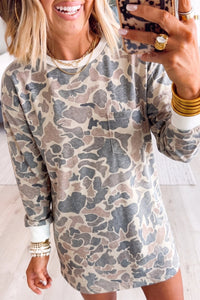
Shop Evening & Cocktail Dresses
Editorial update: October 9, 2026. By Msdressly.
Shopping for a party or school dance is easier when the event rules, a comfortable fit and the total budget come before a trend. This guide is for teens and anyone helping them shop. It does not prescribe a body type or a maturity-based look, and it does not certify that a particular MsDressly dress is approved by a school.
Quick answer
Choose a teen party dress by checking the occasion, the written dress code, garment measurements and how comfortably you can move. Compare length, neckline, lining and the full outfit cost. A “teen” collection is a style edit, not a separate sizing standard or automatic school approval.
Browse MsDressly: Teen dress edit, Mini dresses, Midi dresses.
Start with the event rather than the size label
| Occasion | Useful starting point | Question to answer first |
|---|---|---|
| School dance | A dress or permitted separates you can move in | What does the school’s written dress code say? |
| Birthday or casual party | Comfortable dress styled for the venue | Will the plans involve walking, sitting outdoors or activities? |
| Family celebration | An outfit suited to the stated formality | Are there venue or ceremony coverage expectations? |
| Dressier evening event | A polished outfit appropriate to the invitation | Is a long dress expected, optional or unnecessary? |
Read the actual school rules
A school may set its own expectations for straps, neckline, hem length or other details, and those rules can change between events. Read the notice for your specific dance and ask the organizer about anything unclear before purchasing. A product described as homecoming, party or teen clothing is not evidence that it meets those rules. If you want trousers, a suit, a jumpsuit or another outfit, ask about that option rather than assuming everyone must wear the same kind of dress.
Use measurements and a movement test
Find the product-specific chart, then check whether it lists body or garment measurements. Measure bust, waist and hips and look at length as well as the letter size. If you have a dress that fits comfortably, compare its measurements with the listing where possible. Age-based labels and your usual size at another store are not reliable enough to skip this step.
Try sitting, walking and raising your arms in the complete outfit. Check whether the straps slip, a zipper pulls, a waistband digs in or the hem requires constant adjustment. Include the shoes and undergarments you plan to wear. A dress should not require you to stay still or change how you move to feel comfortable. Check lining and opacity under normal brighter lighting rather than assuming a photograph reveals everything.
Set a full outfit budget
Budget for more than the dress: shoes, a bra or slip if needed, a layer, alterations and shipping can change the final cost. Start with useful pieces you already own and choose a dress that works with them. If someone else is paying or helping you shop, agree on the budget and any practical requirements before checkout.
Confirm currently available sizes and the delivery estimate, and leave time for a try-on and fit questions. Do not assume an event date changes a store’s delivery service. Read the actual return policy and any item-specific exclusions before purchasing. This guide does not promise that every event dress can be returned.
Make the final choice personal
Color, length and silhouette are preferences, not tests of confidence or a supposedly correct body shape. Compare a few complete outfits rather than collecting endless product links. Choose the one that suits the plans, fits comfortably and feels like something you want to wear. The collection links here help with browsing, but the individual listing remains the source for materials, measurements and availability.
FAQ
What size should a teenager order?
Use the specific product chart and actual measurements. Age and a familiar S, M or L label are not enough to establish fit, especially across different stores.
Are all dresses in a teen collection school-dance appropriate?
No. The collection is an edit, not a school approval list. Check the written rules for the specific event and ask the organizer about details that are unclear.
What if I do not want to wear a dress?
Ask whether separates, a suit, a jumpsuit or another outfit meets the event rules. Choose comfortable clothes that fit the plans rather than assuming a dress is compulsory.
Match hem length and neckline to the event type
Length changes how a dress reads, and it is one of the first things school dress codes address. Mini hemlines feel playful and suit casual parties or events where a lot of movement is planned; check them against dance rules and test them with the exact shoes you will wear. Midi hemlines land mid-calf, work across many party settings and are often the easiest middle ground for school events. Maxi hemlines read dressier and suit evening celebrations, though a full-length skirt still needs a movement test for steps, stairs and dancing.
Necklines and straps matter for the same reason. A V-neck, square neck, sleeveless or open-back style may conflict with some school expectations even when it looks modest in a photo, because rules usually describe garment construction rather than a vibe. If a rule mentions strap width or coverage, measure the actual garment listing rather than guessing from the picture.
Check fabric, lining and weather before you order
Photographs do not reliably show weight or opacity, so read the material description for each listing. Lightweight woven fabrics and sheer overlays can be see-through in bright venue lighting; check whether the dress is lined and where the lining stops. Knit fabrics stretch, which changes how a fitted style sits through hours of sitting and dancing; woven fabrics hold structure but offer less give, which is where sizing up or alteration may matter.
Think about the season and the venue. A sleeveless dress with a layer you can add or remove covers air-conditioned halls and outdoor evenings. Sweat, snag and wrinkle behavior also vary by fabric, so consider how the dress will look after travel to and from the event, not just when it first comes out of the packaging.
Plan shoes, layers and small details as one outfit
Many last-minute outfit problems come from parts bought separately. Choose shoes for the dress's hem and the venue floor, then test them together at home: a hem that grazes the ground outside may be fine indoors, while a mini hemline and high heels may need more coverage or a different shoe height. Break shoes in before the event and pack a backup pair if plans involve long walking.
Add a layer with intention: a cardigan, jacket or wrap solves cold venues and can adjust coverage without changing the dress itself. Undergarments should be chosen with the dress in place — backless, strapless or thin-strap styles may need specific support, and that is part of the total outfit cost rather than an afterthought. If you want styling ideas beyond dresses, our guide to jackets for teen girls covers layering options.
Build a shopping timeline that leaves margin
Work backward from the event date. Order early enough for the listed delivery estimate, then hold time for a try-on, a possible exchange or a local alteration. Do not assume the event date changes how delivery works. MsDressly offers free shipping when buying 2 or more items, or on orders over US$80, so combining a dress with needed extras can qualify for that — but only if the extras were already part of your plan.
Before checkout, read the return policy and any item-specific exclusions for your exact item. Return shipping is paid by the customer; MsDressly does not offer free returns. Understanding that cost before ordering is part of budgeting correctly, not a surprise to handle afterward.
Shopping for a specific teen style without pressure
Browsing edits like the teen dress collection is a starting point, not a prescription. Within one event, teens will reasonably choose different lengths, colors and levels of formality, and none of those choices is a statement about confidence or body shape. A useful filter is practical: can you sit, dance, eat and move normally in this outfit for several hours?
Compare two or three complete outfits side by side rather than scrolling endlessly. Take photos in daylight if it helps you decide, involve the person who set the budget early, and treat the final choice as the wearer's own. The listing details — fabric, lining, measurements, care — should make the final decision, not the product title or a styled photo.
Shop by category
Guides:Versatile Layering Tops For Women: A MsDressly Guide · Peplum Tops For Women: A MsDressly Guide


